

We Made a Space Ship!
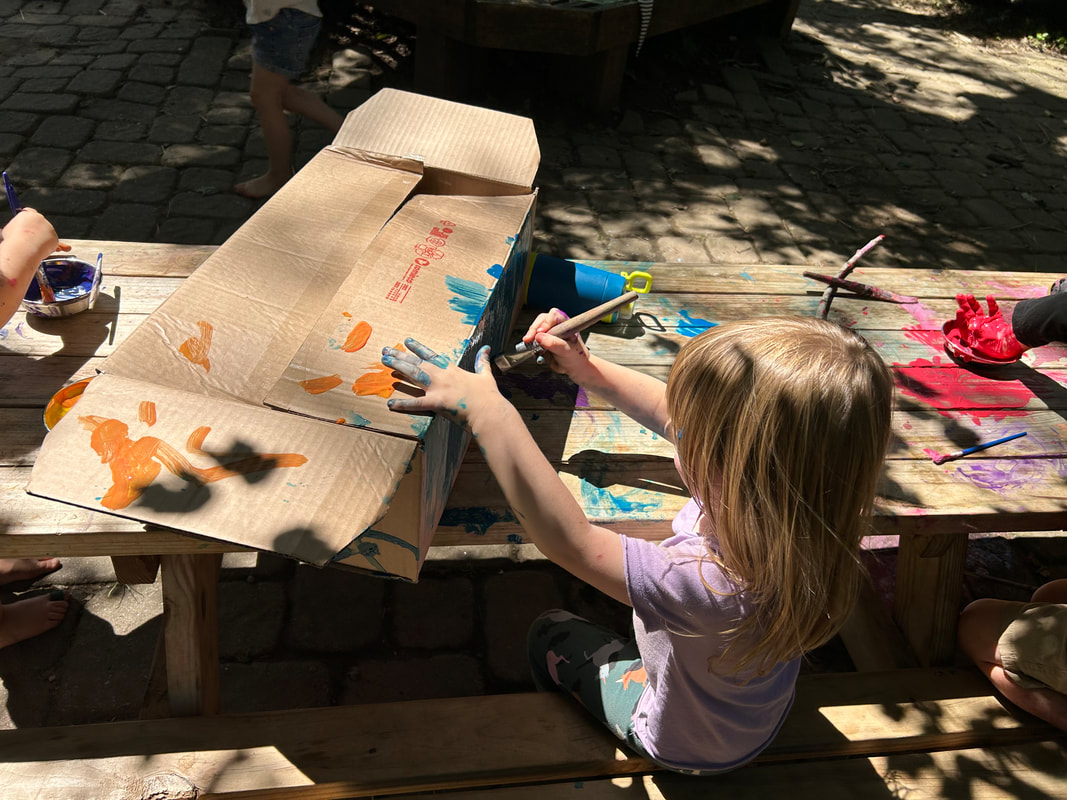
Sometimes the best projects are made with a cardboard box and how many of these we have these days. Perhaps before we recycle that delivery box, we get one more use out of it by creating something magical together. This was so fun to work on together and then climb inside to blast off to far away realms.

 |  |
 |  |
We've Been Learning About Planets
Naming the planets and talking about orbits, constellations, the Sun, the Moon and all the far away galaxies and how little even us adults know about what's really out there...


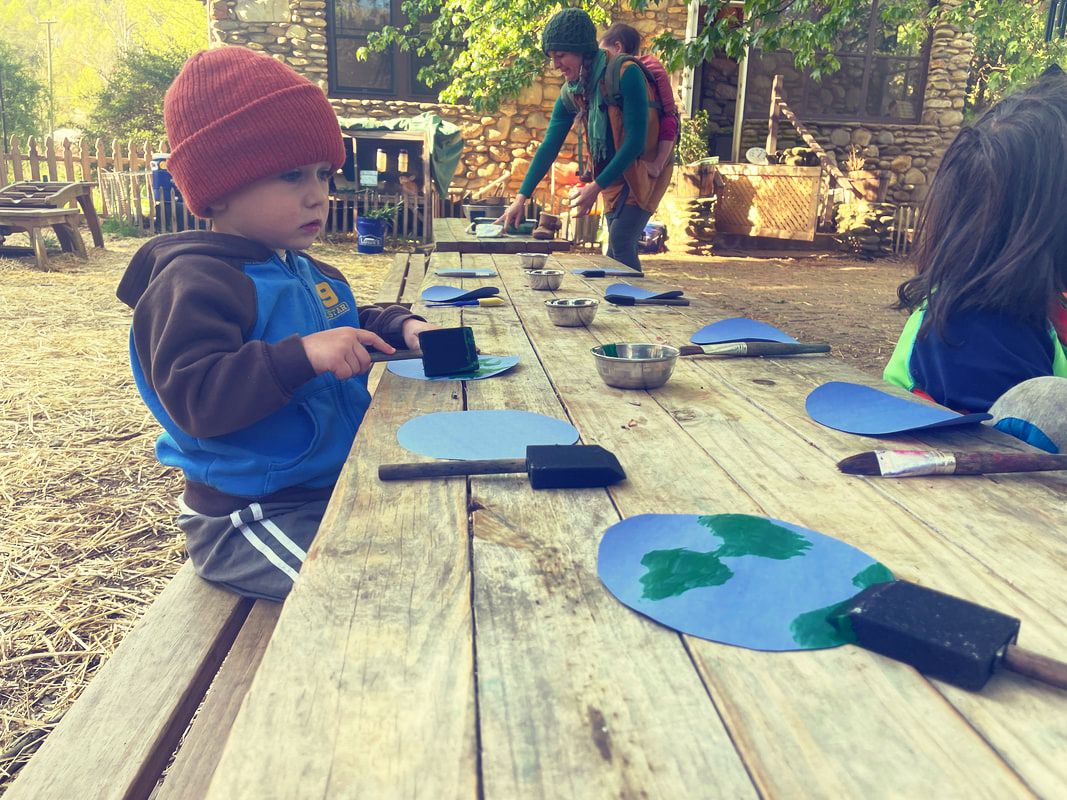
We are so grateful for our Mother Earth for holding us and nourishing us!


Learning about Stars and Shooting Stars
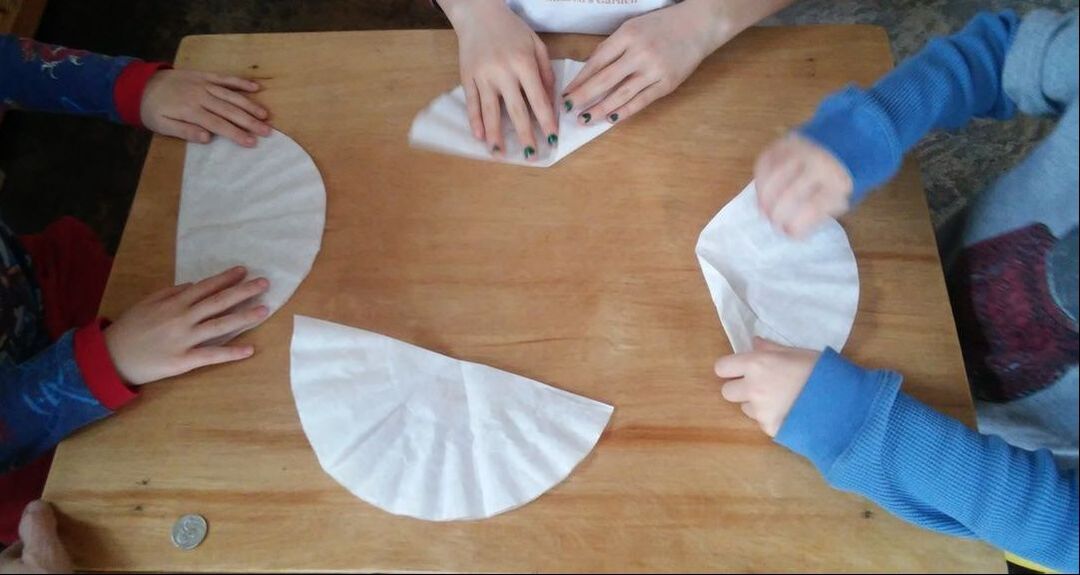
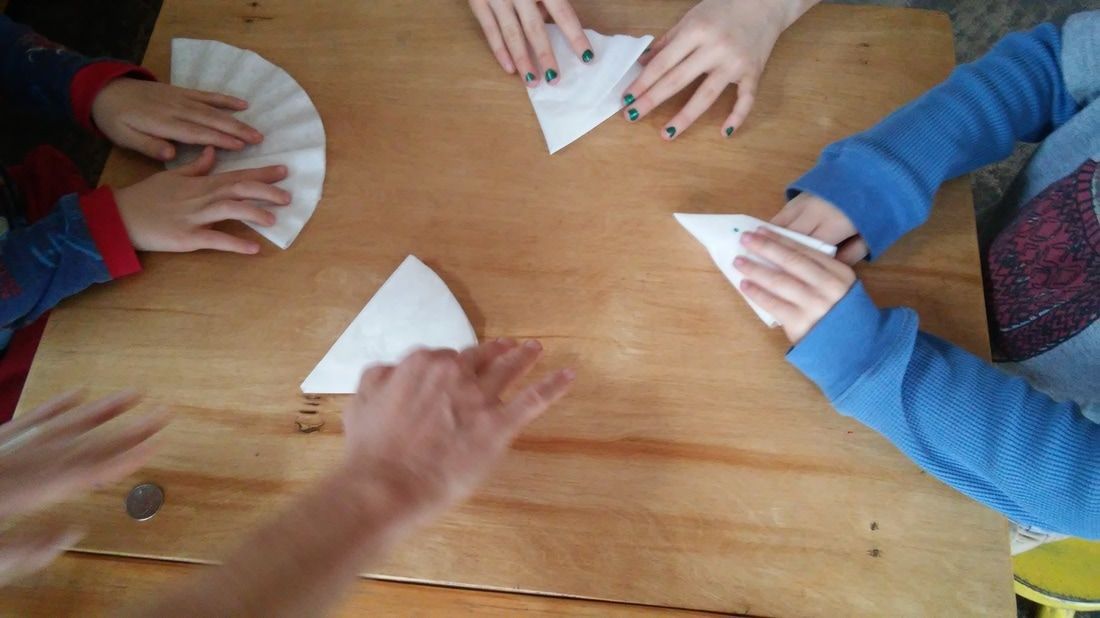
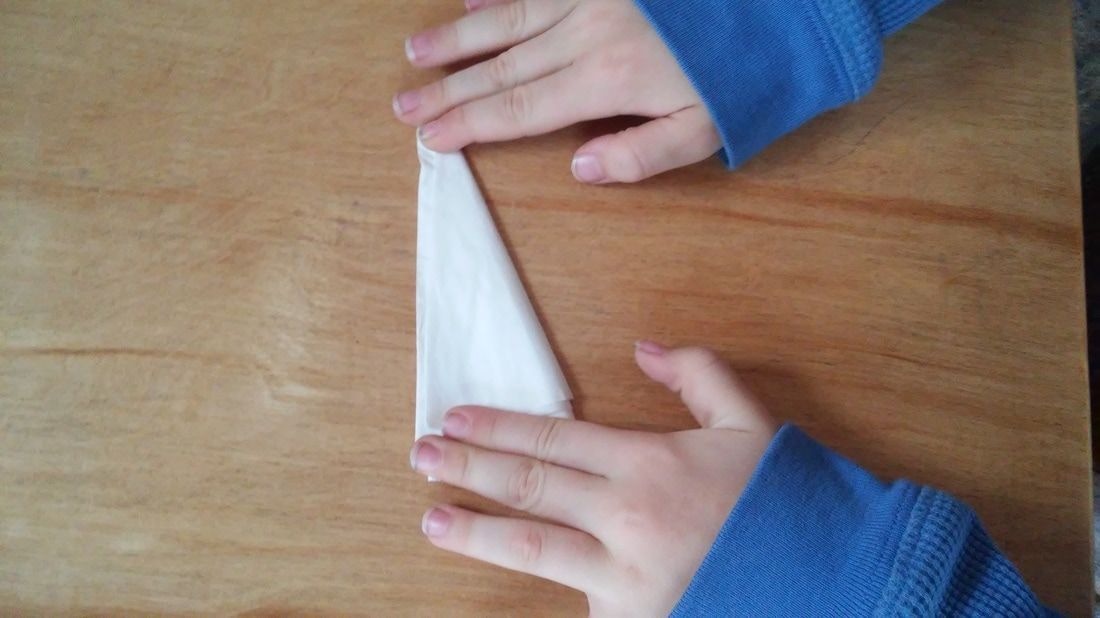
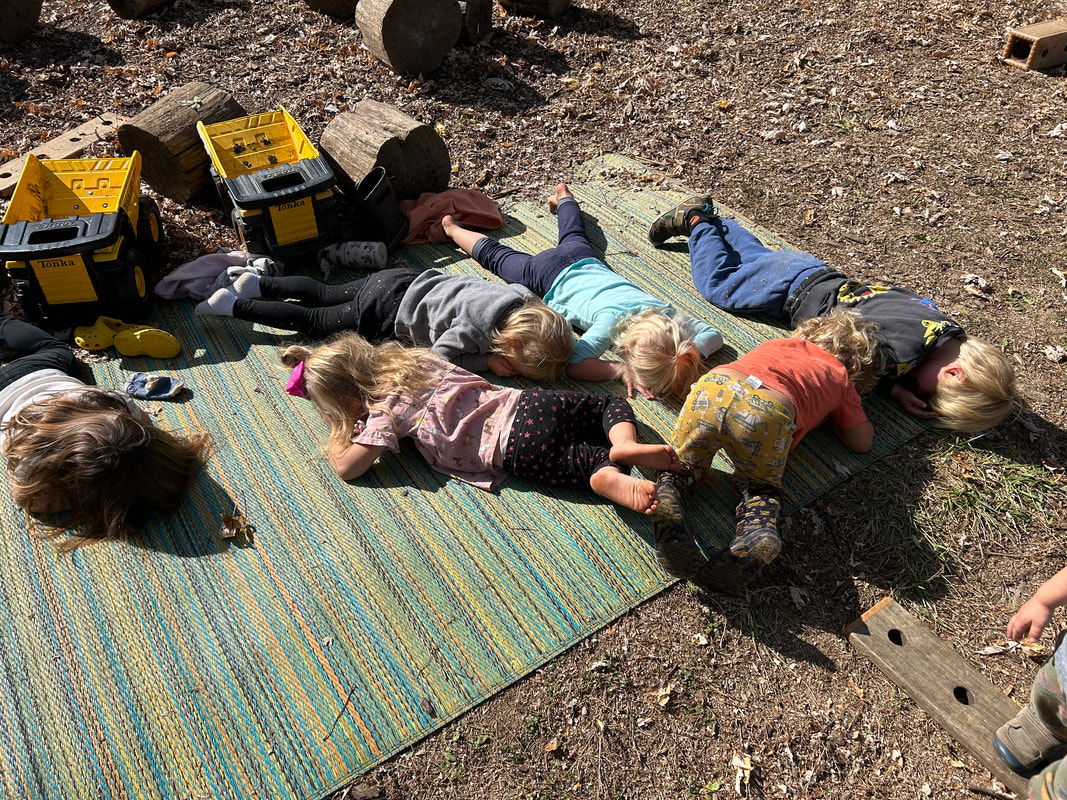
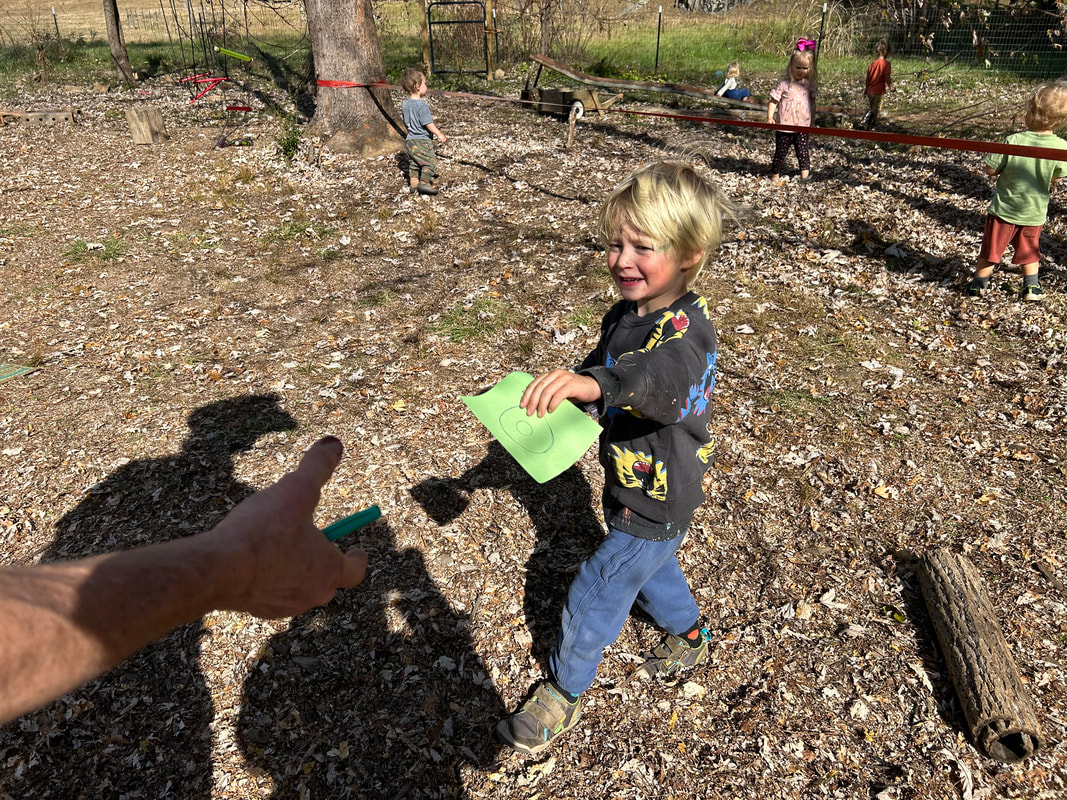
This space theme has really captured their curiosity. We had so much fun making our own shooting stars and laying down on a hot day after lunch and dreaming of star gazing.


 |  |


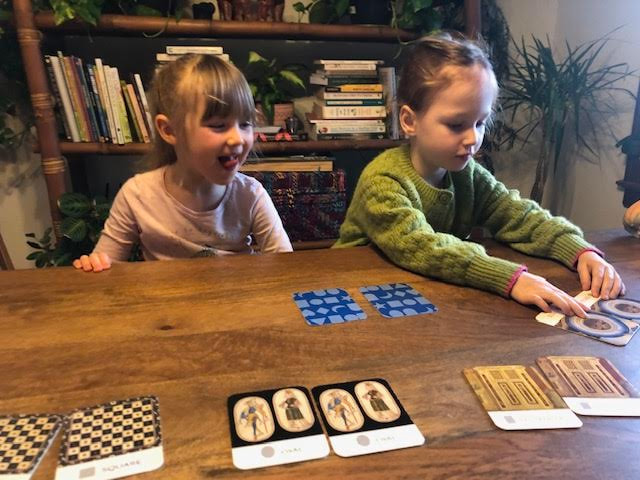
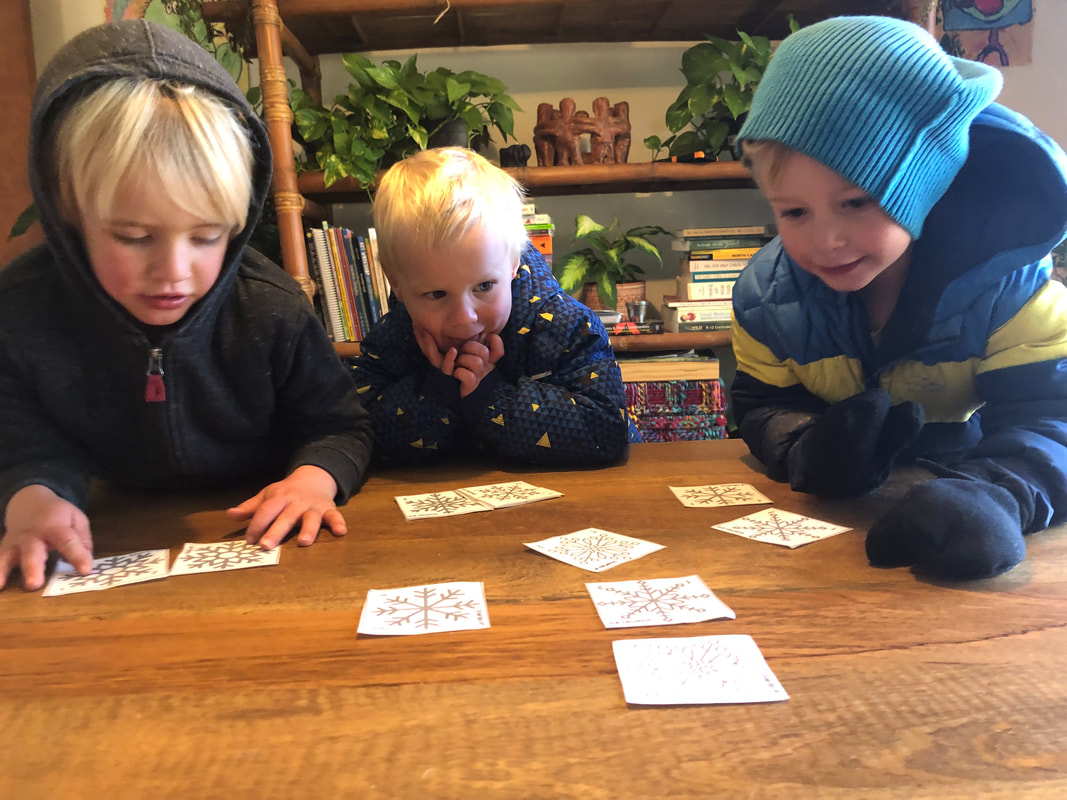
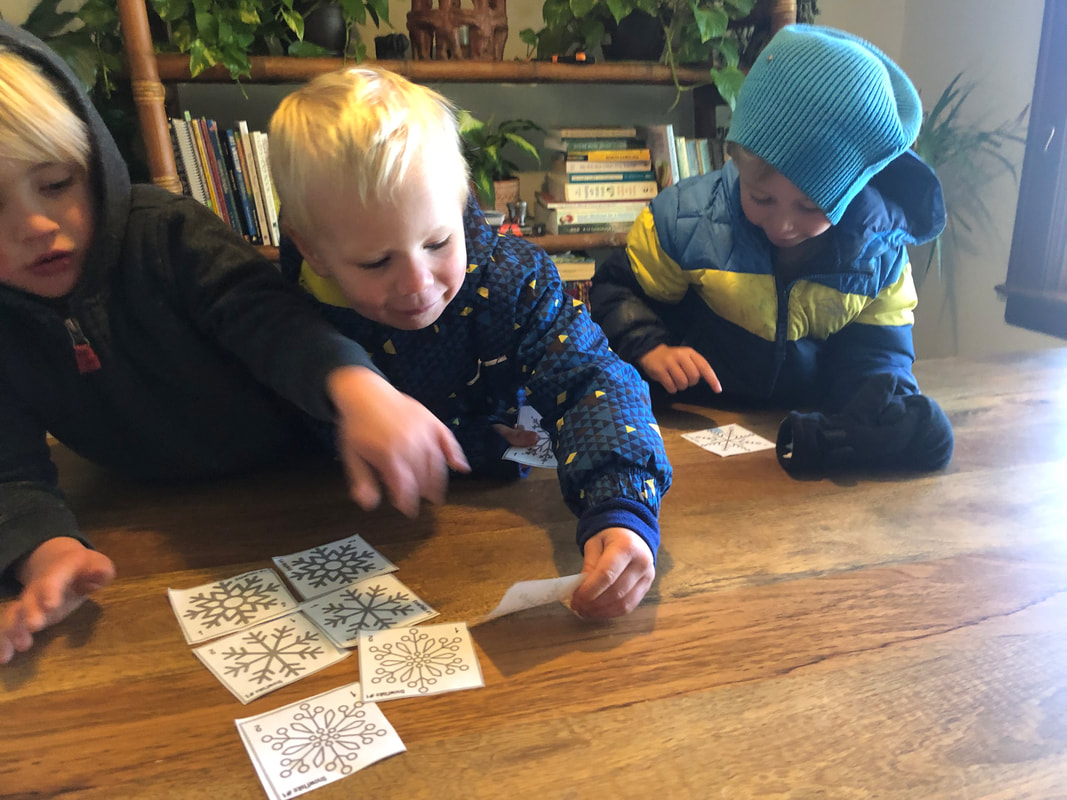
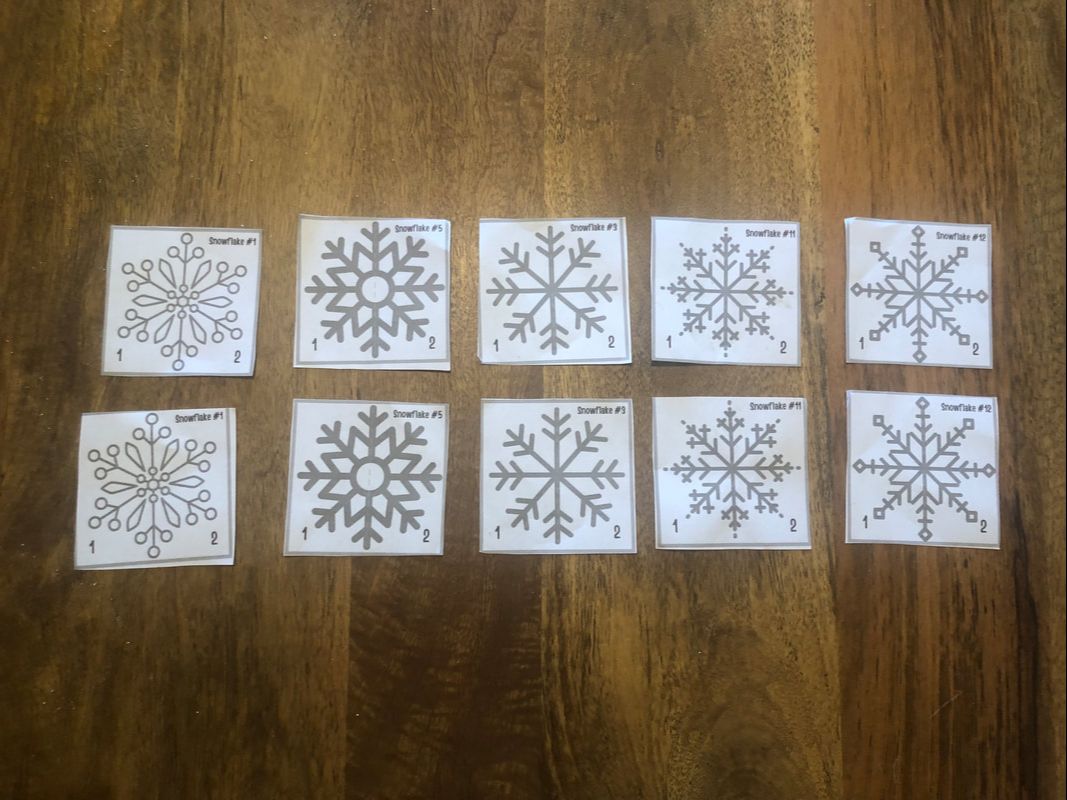
Constellation Concentration
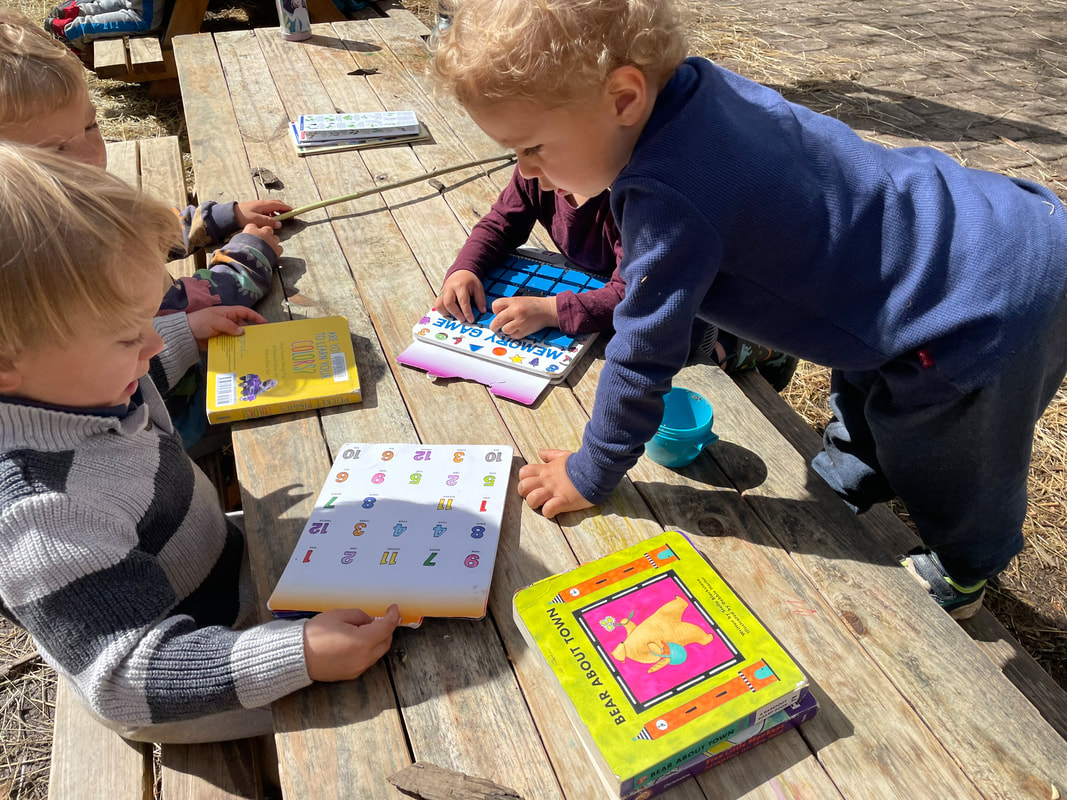
The kids LOVED playing this memory game that teaches about the constellations.

Playing memory games can improve other brain functions, such as attention, concentration, and focus. Memory games give space to critical thinking and that helps children nurture their attention to detail.

Memory games can improve visual recognition. With many memory games based on spotting differences, or linking two related images, children improve their visual discrimination.

Short-term memory is key to playing memory games and playing them often will improve function in this area. A good short-term memory can improve a person's long-term memory too. Both are linked and being able to move things from your short-term memory into long-term will improve learning in other areas.

Though memory games are a short-term boost, players have to plan their moves as they go. From revealing a card to plotting their next move, children can learn the importance of thinking ahead and plotting their next choice.

Perhaps the self esteem boost is the greatest boon of all!

Weaving in stories of the stars is excellent for language development, summarising skills, and imaginative thinking too!

Outer Space Curiosities
How can humans travel to space? What do humans need to live? How do we survive if we are not on the earth?


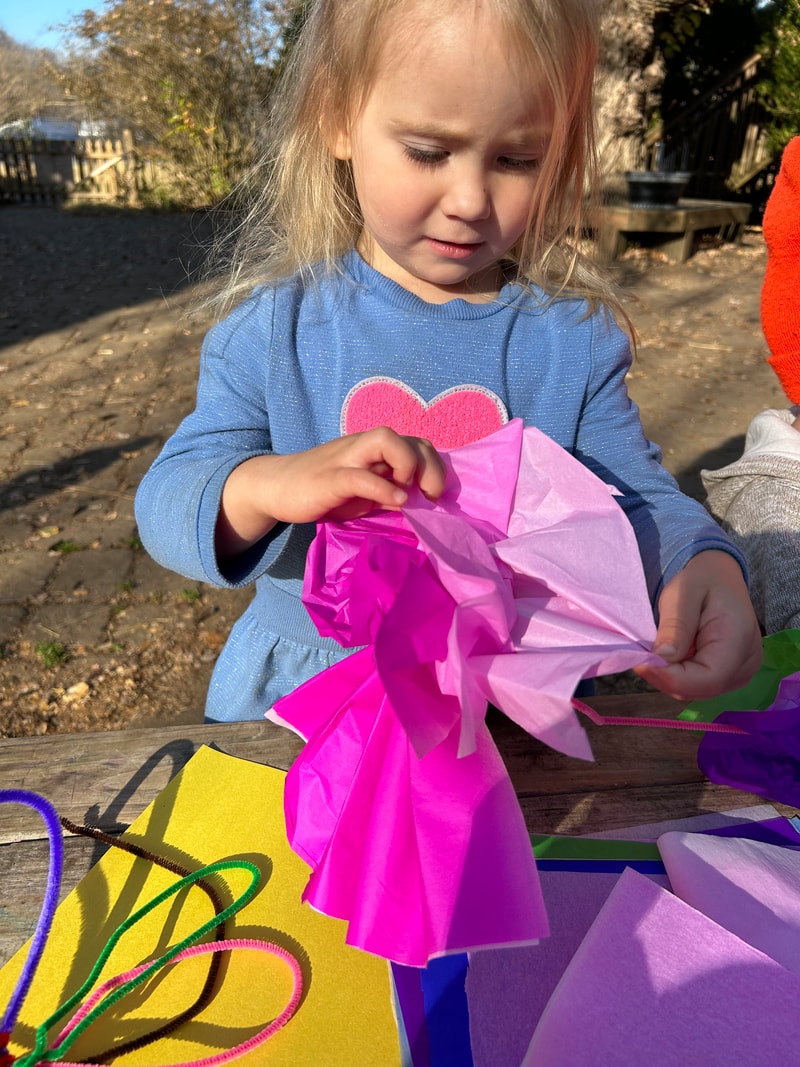
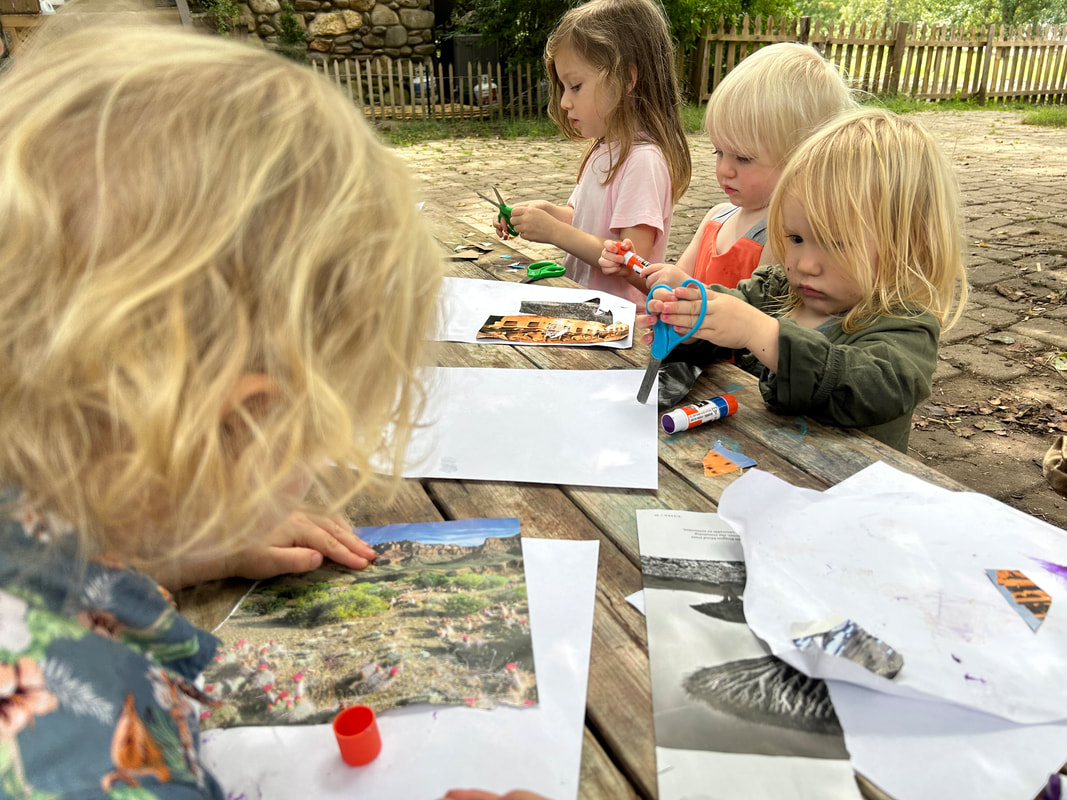
Collaging Rockets
 |  |
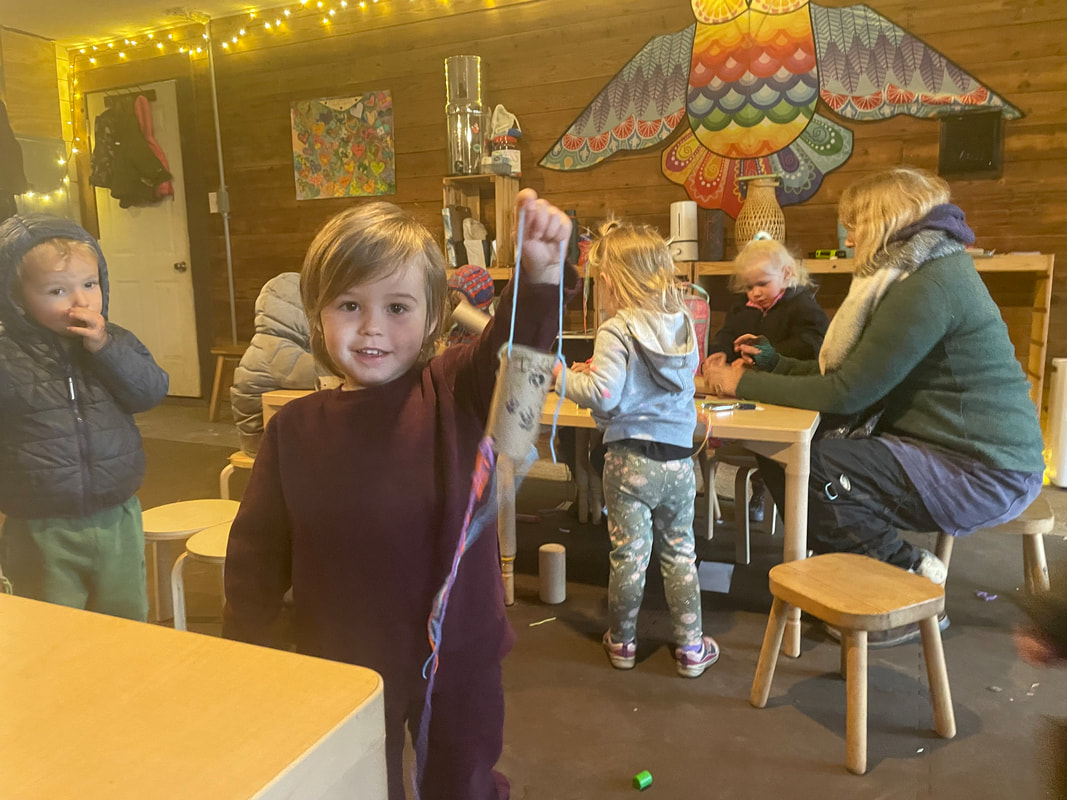
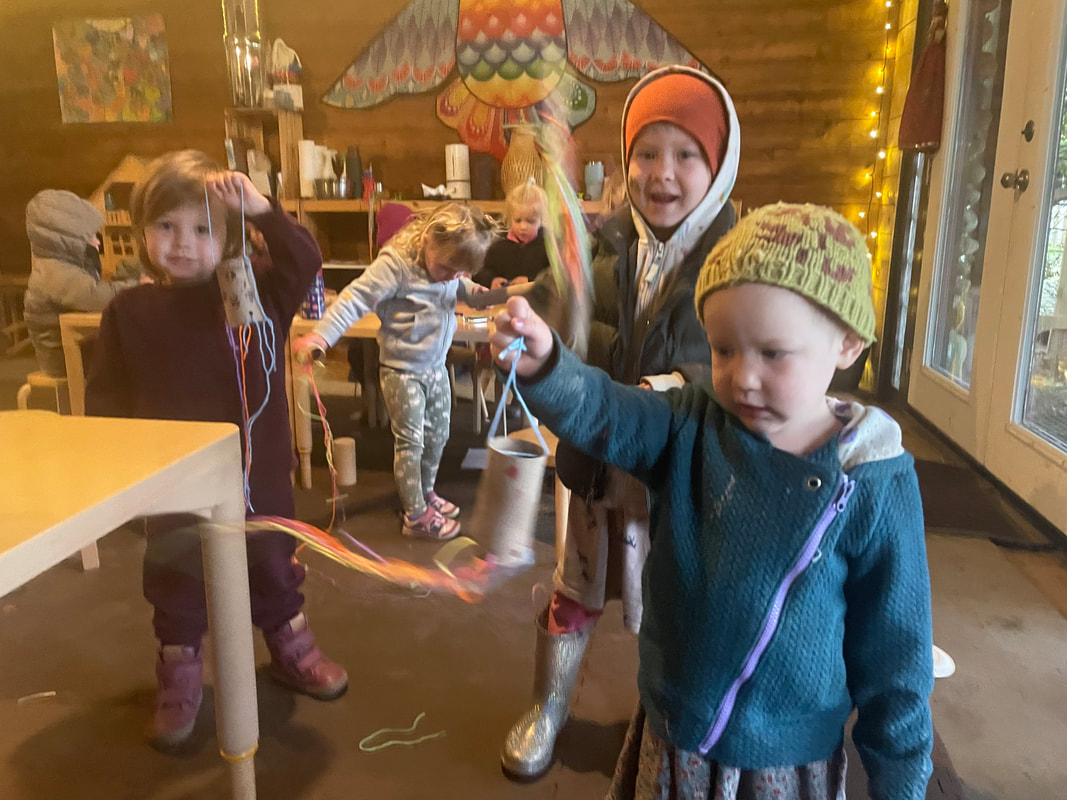
Rocket Puppets

 |  |

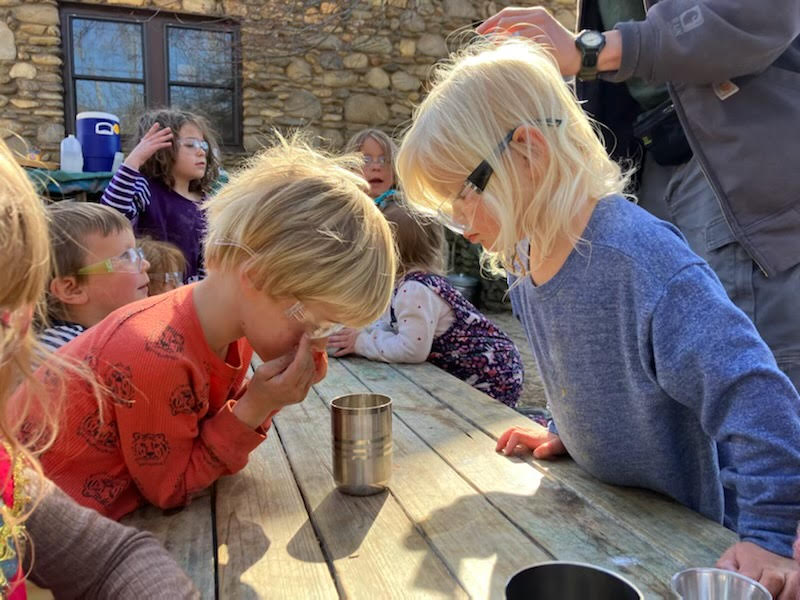
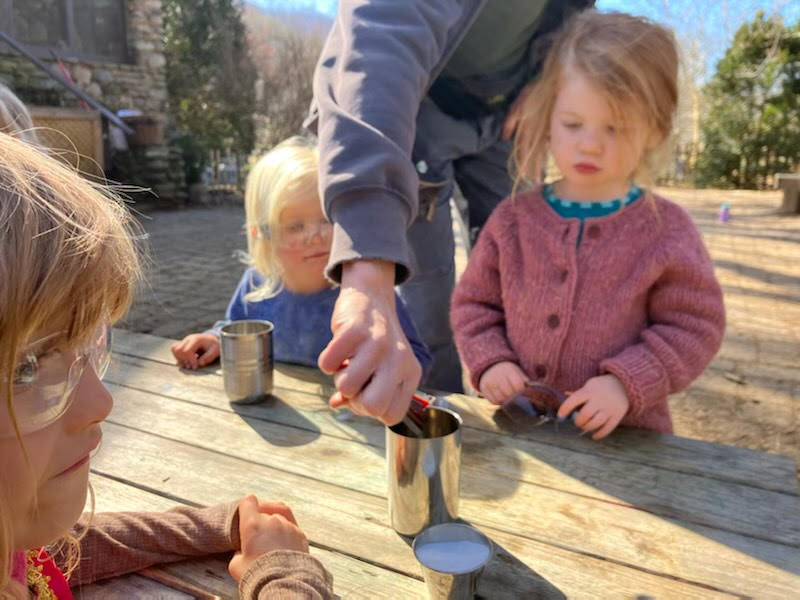
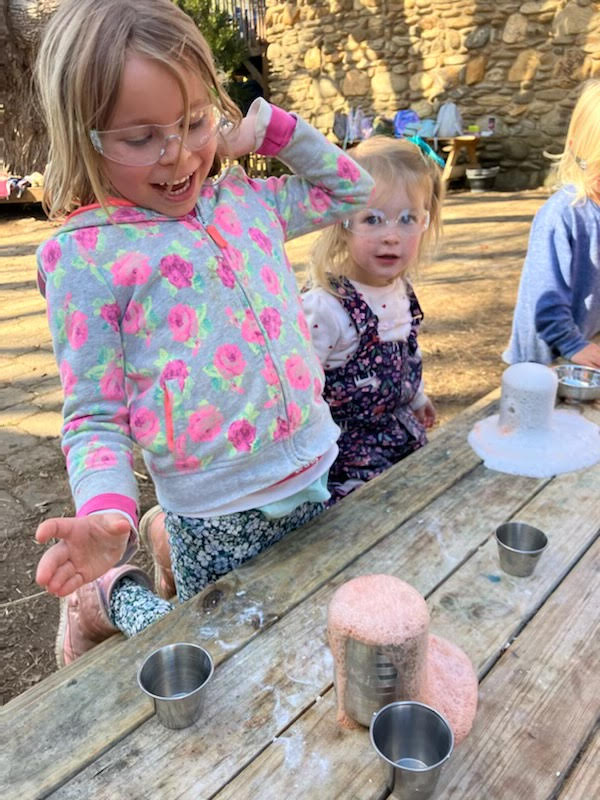
And Launching Rockets!
This simple physics project was such a hit! We've also been counting backwards from 10 quite a bit this month.


Did y'all know that Teacher Ella is an astrophysics major? She has been expertly answering a lot of our questions about the cosmos! She goes back to school in the Fall but plans to be with us next Summer :)


Galactic Filaments! Far Out Dude!
In cosmology, galaxy filaments are the largest known structures in the universe, consisting of walls of galactic superclusters.


Morna's Feeling Better!
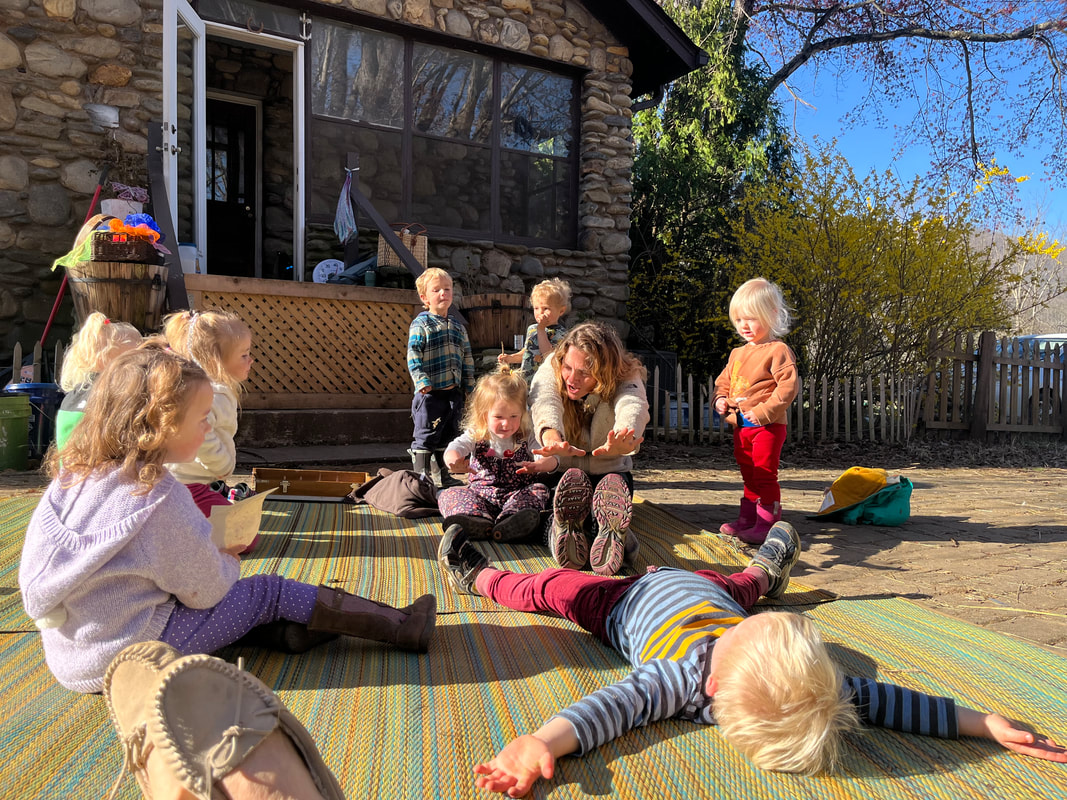
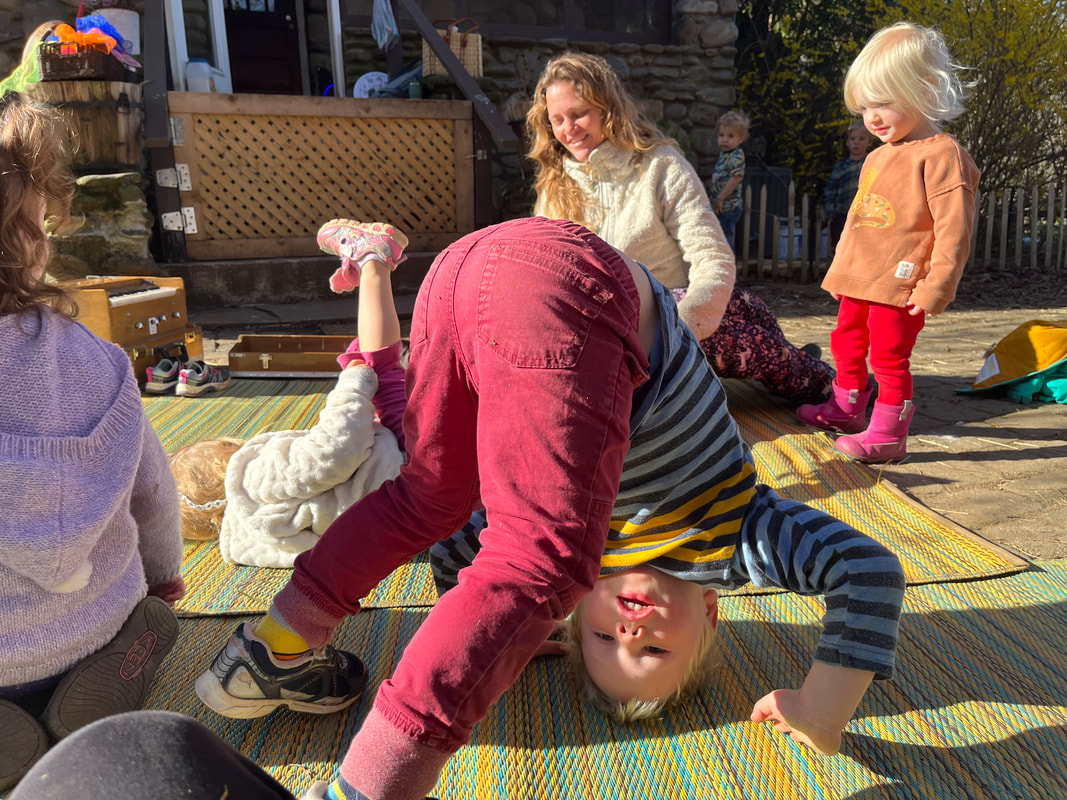
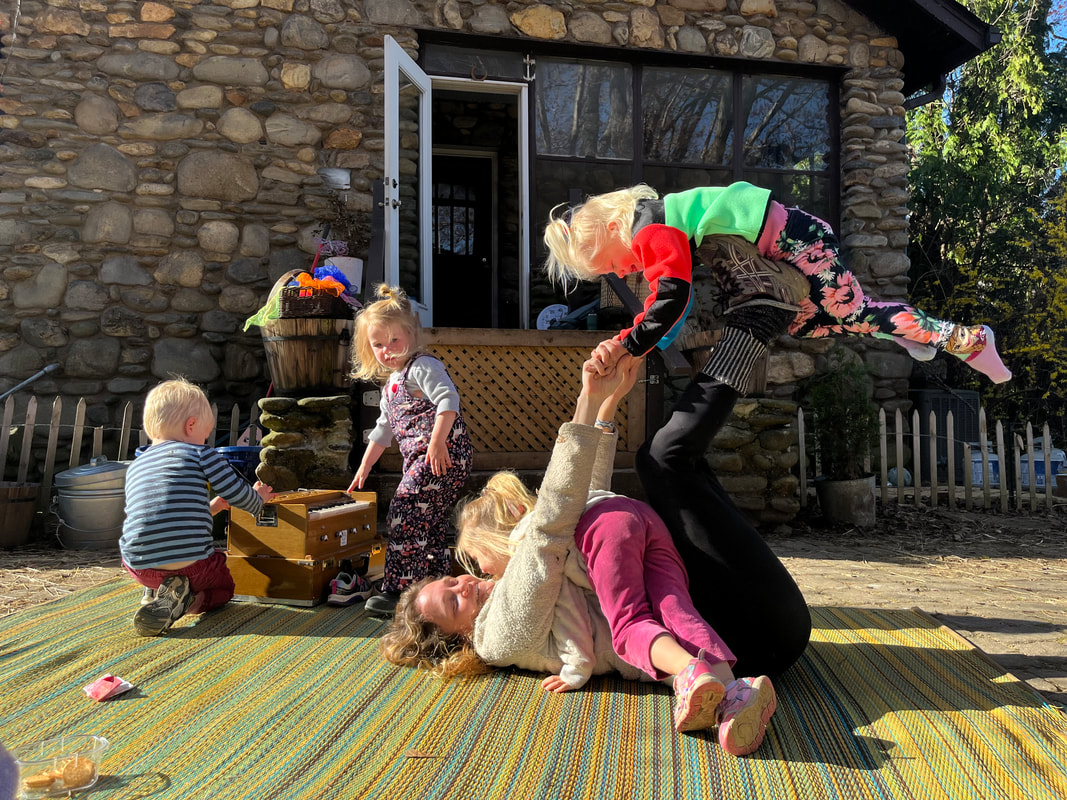
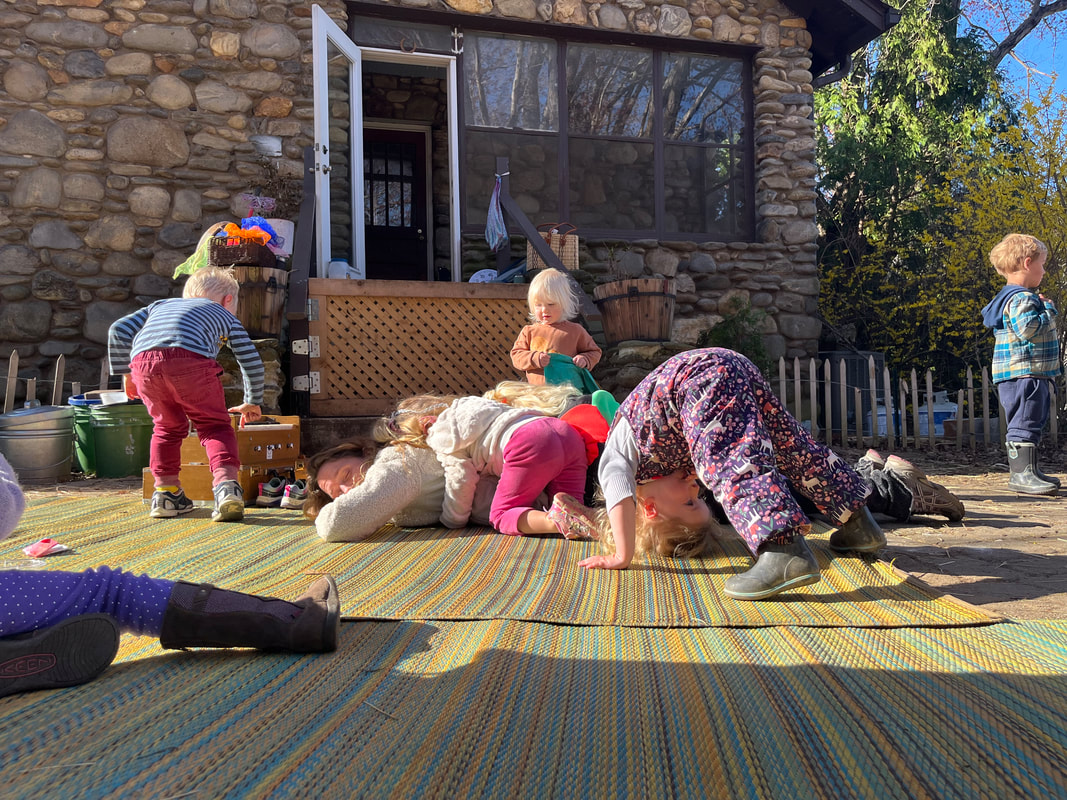
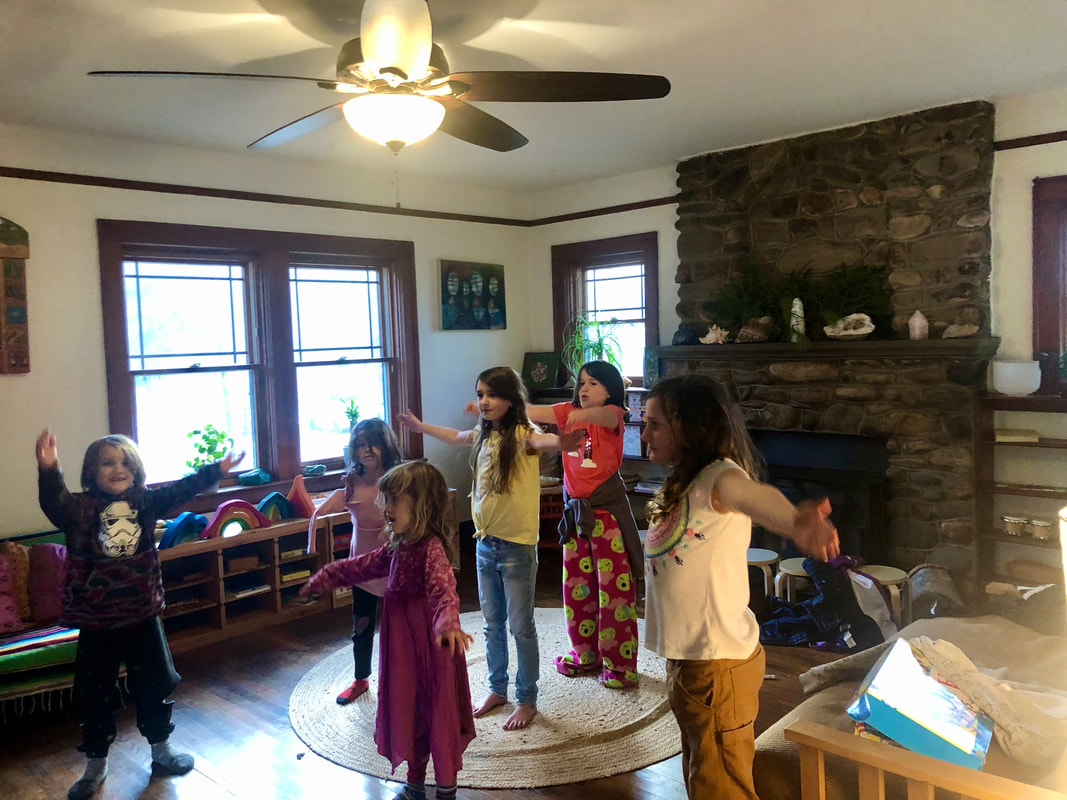
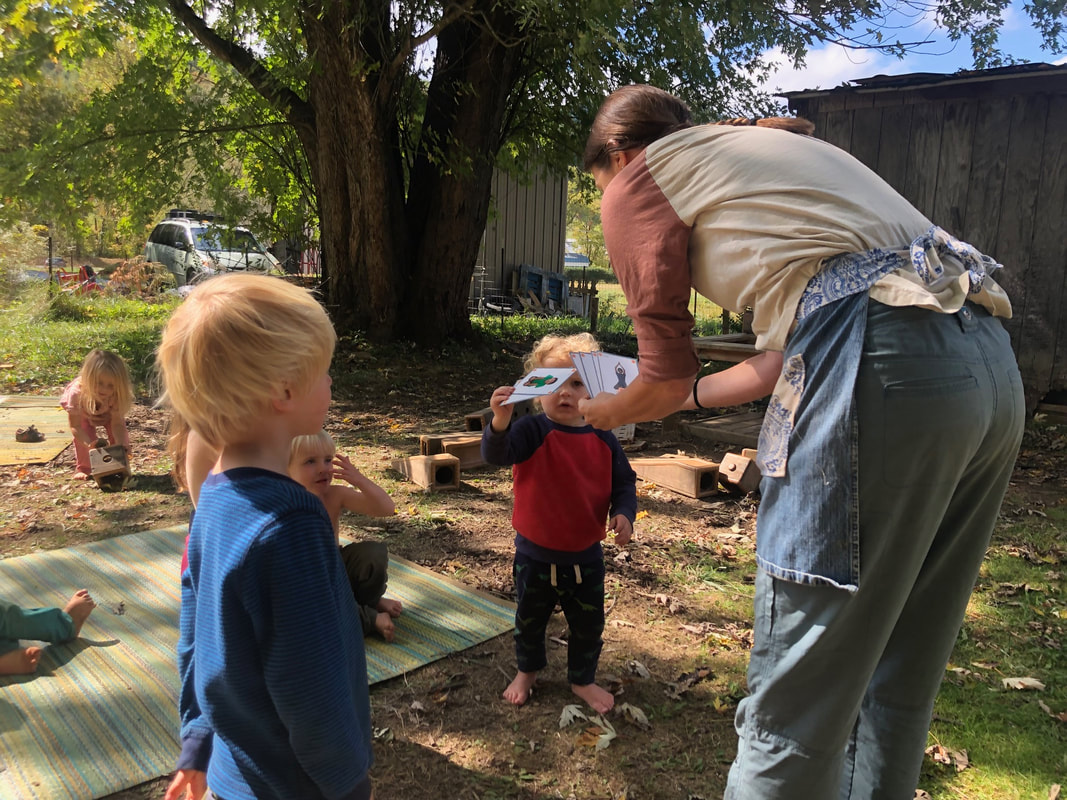
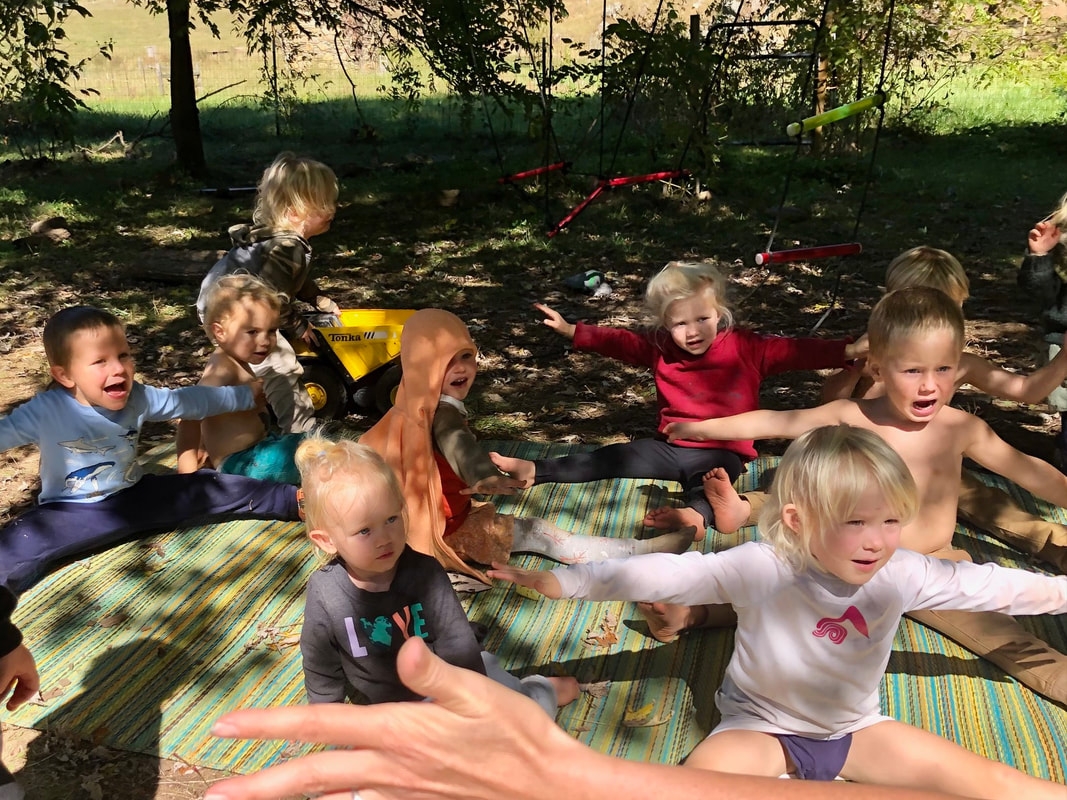
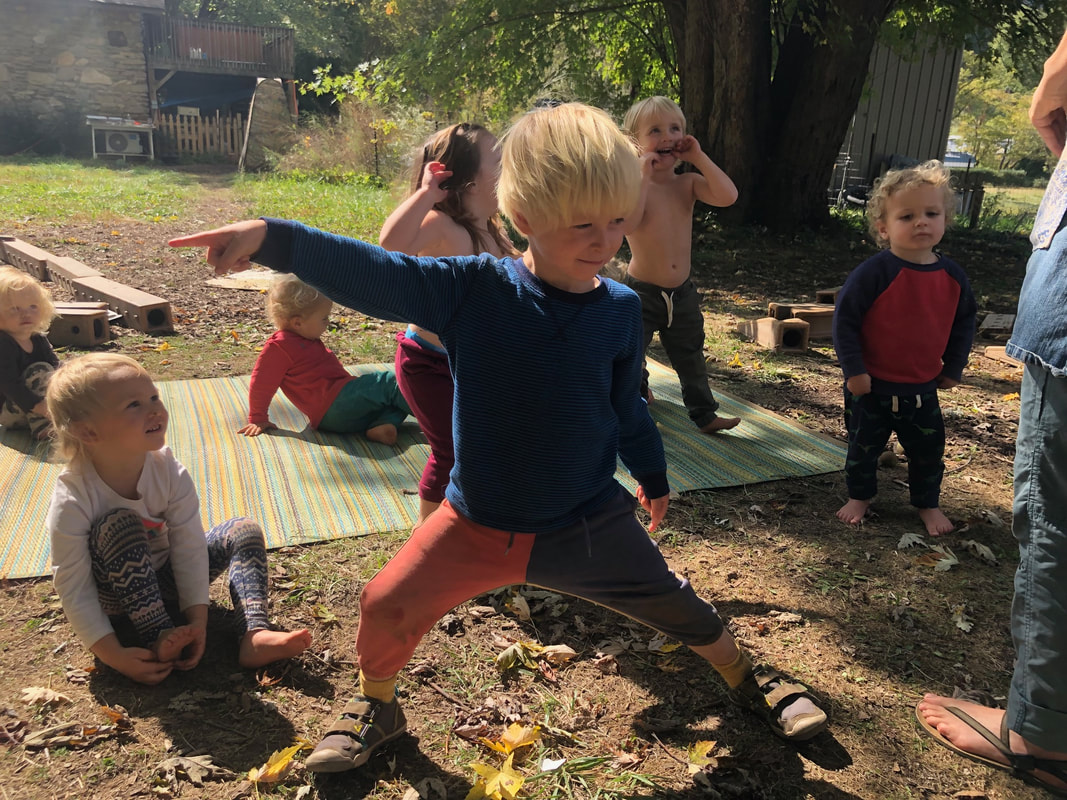
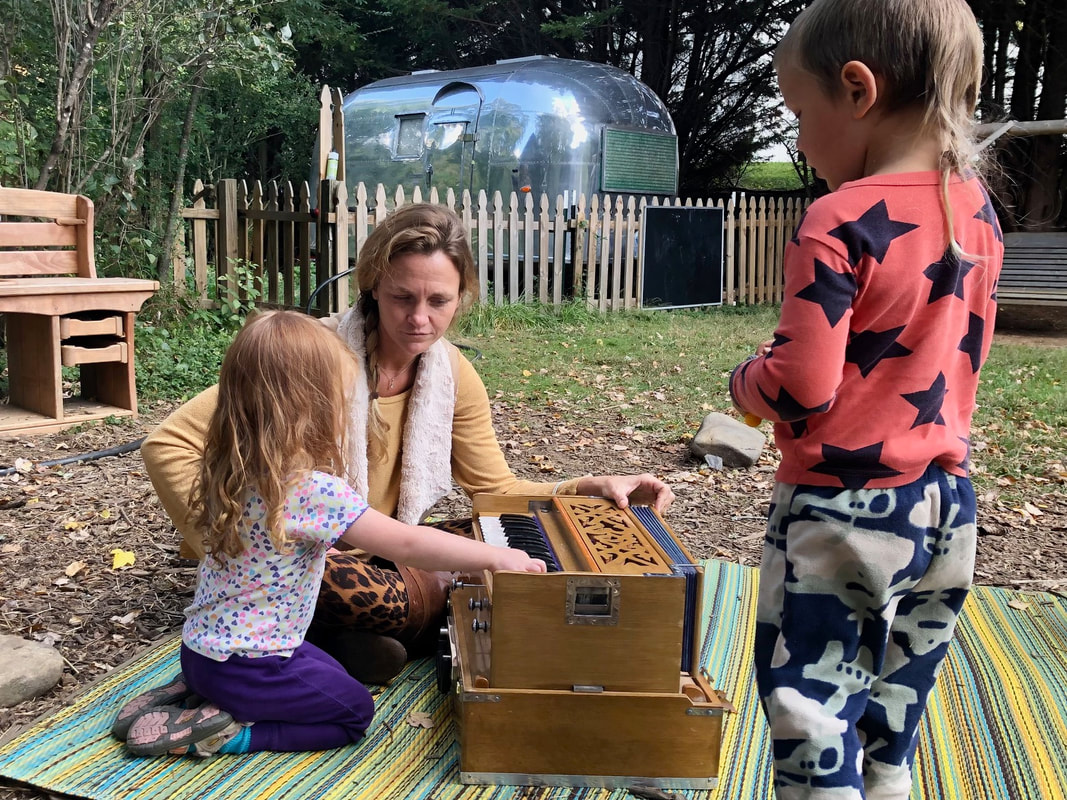
Everyone is overjoyed to have Morna's bubbly energy back in the garden. She has been sharing her loving attention, space travel yoga, storytelling, songs, and cooking classes.


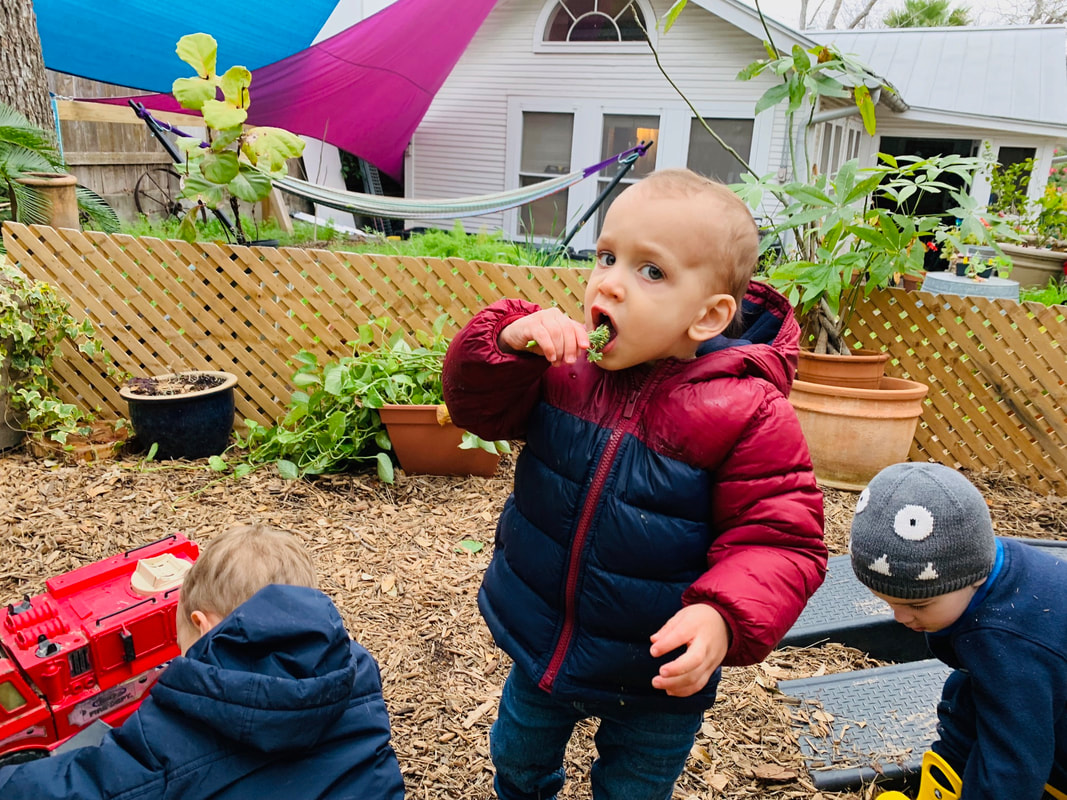
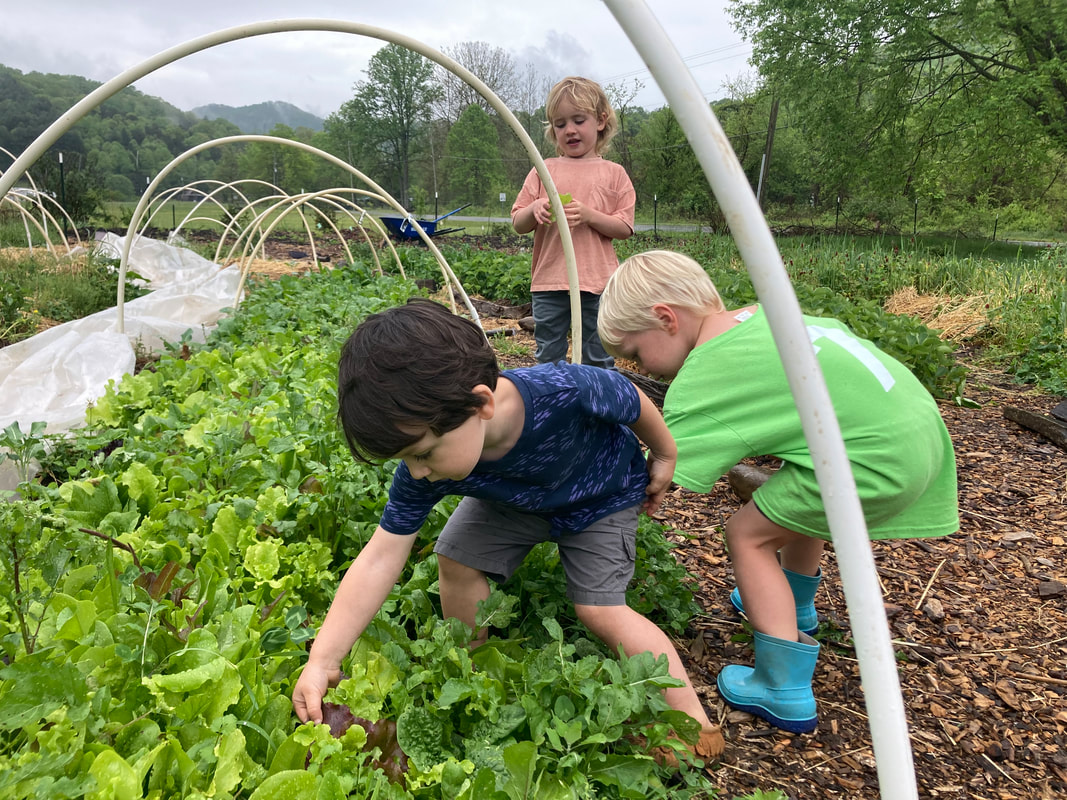
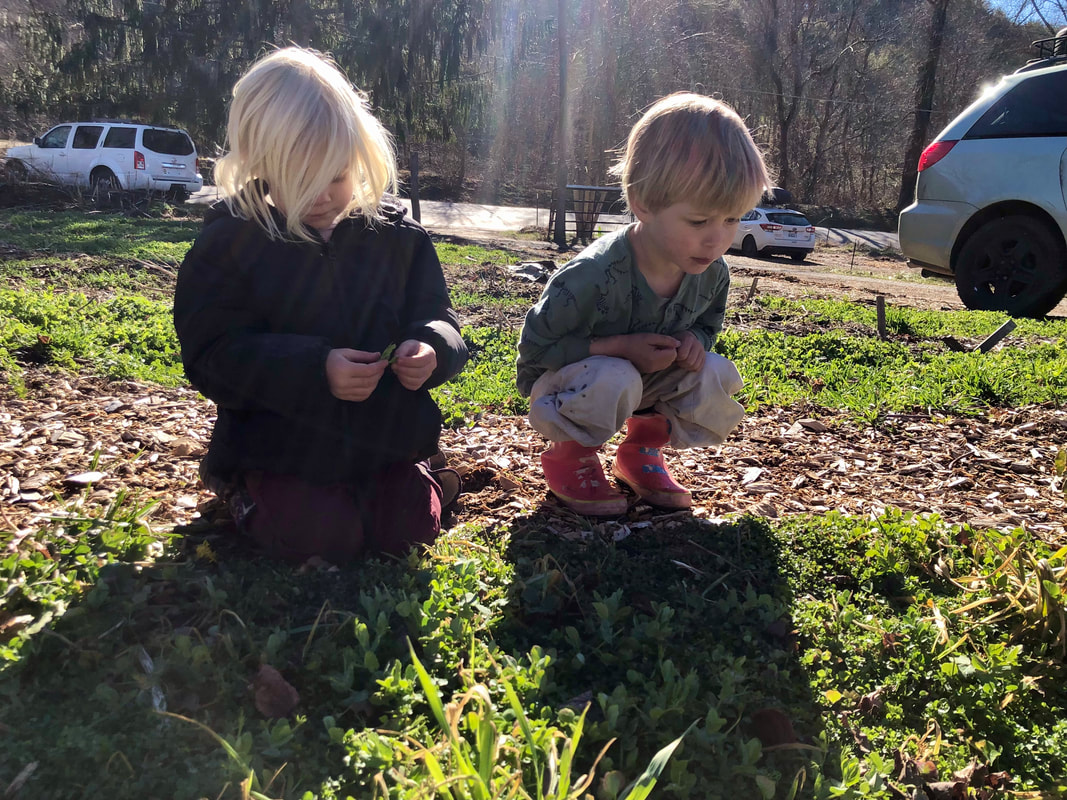
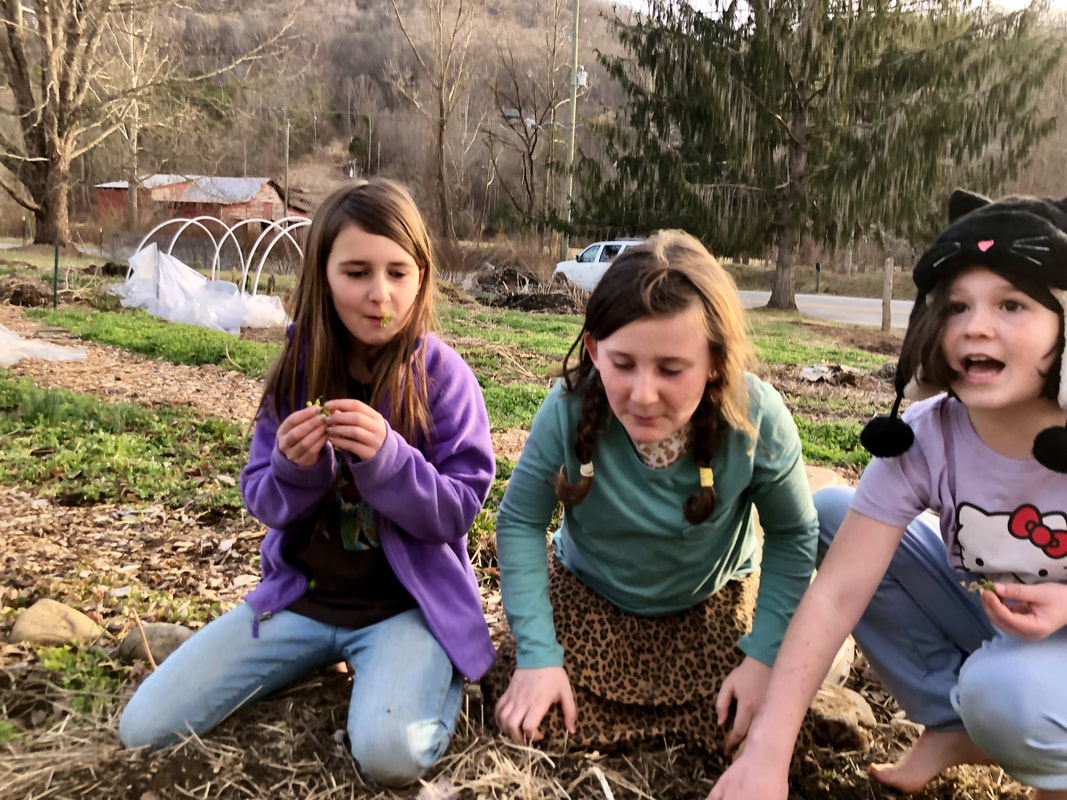
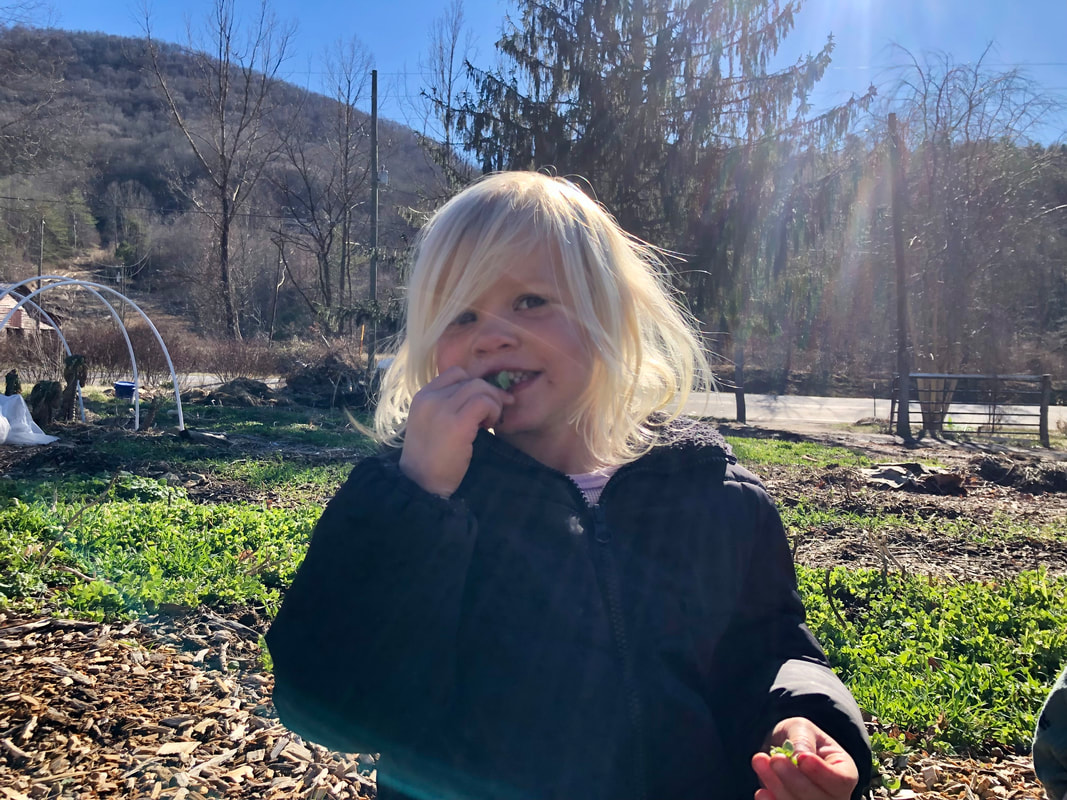
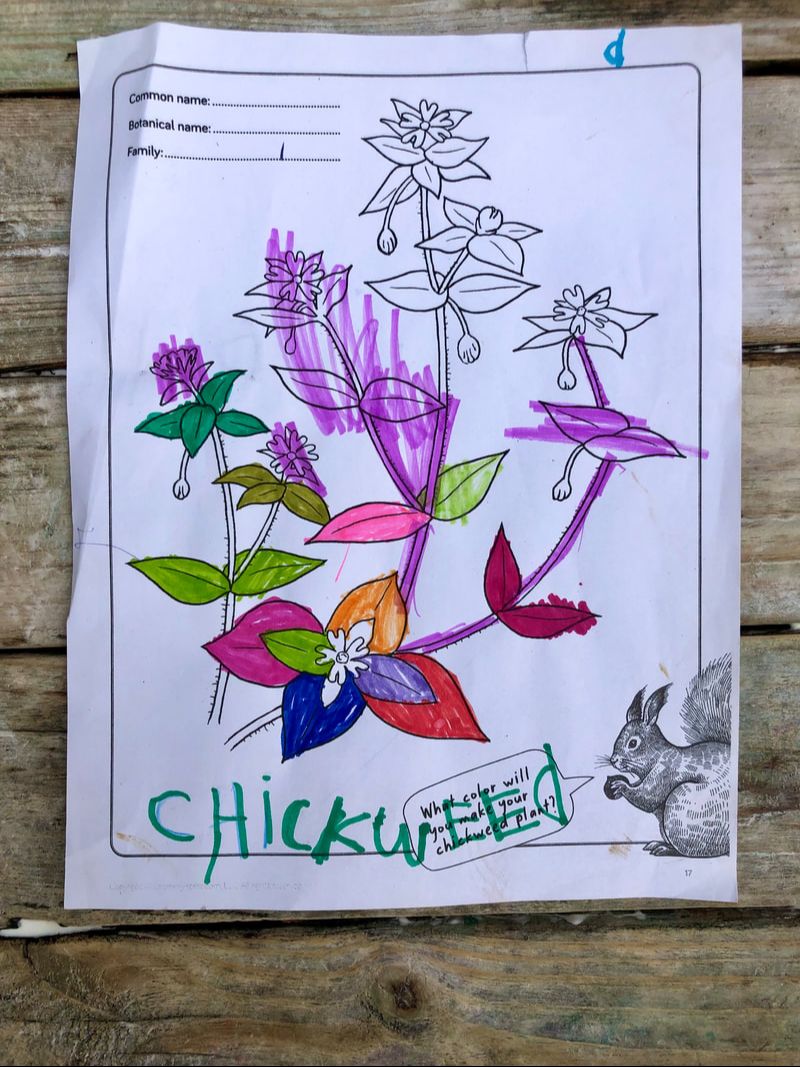
The Garden is Poppin!
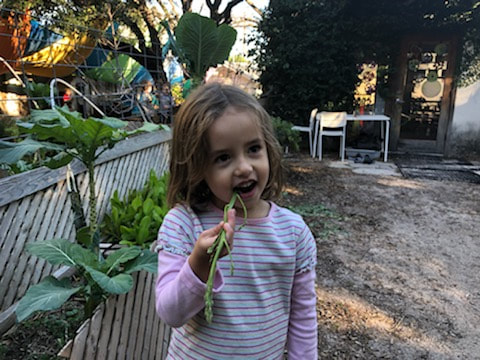
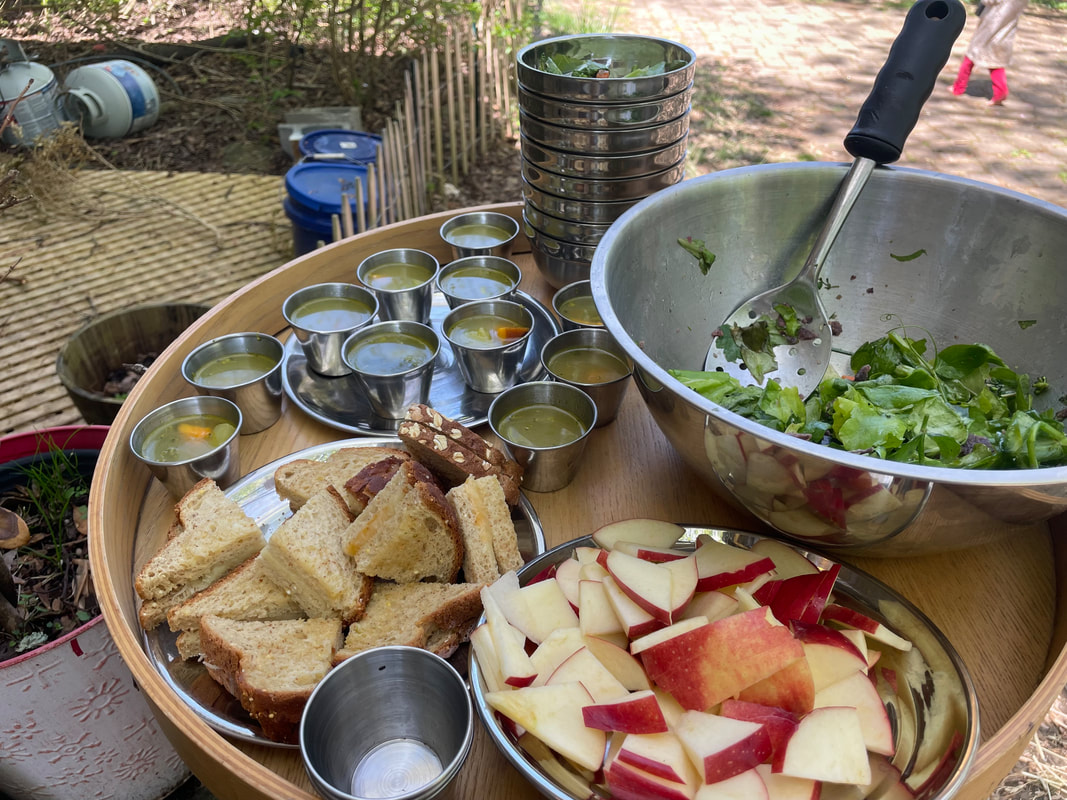
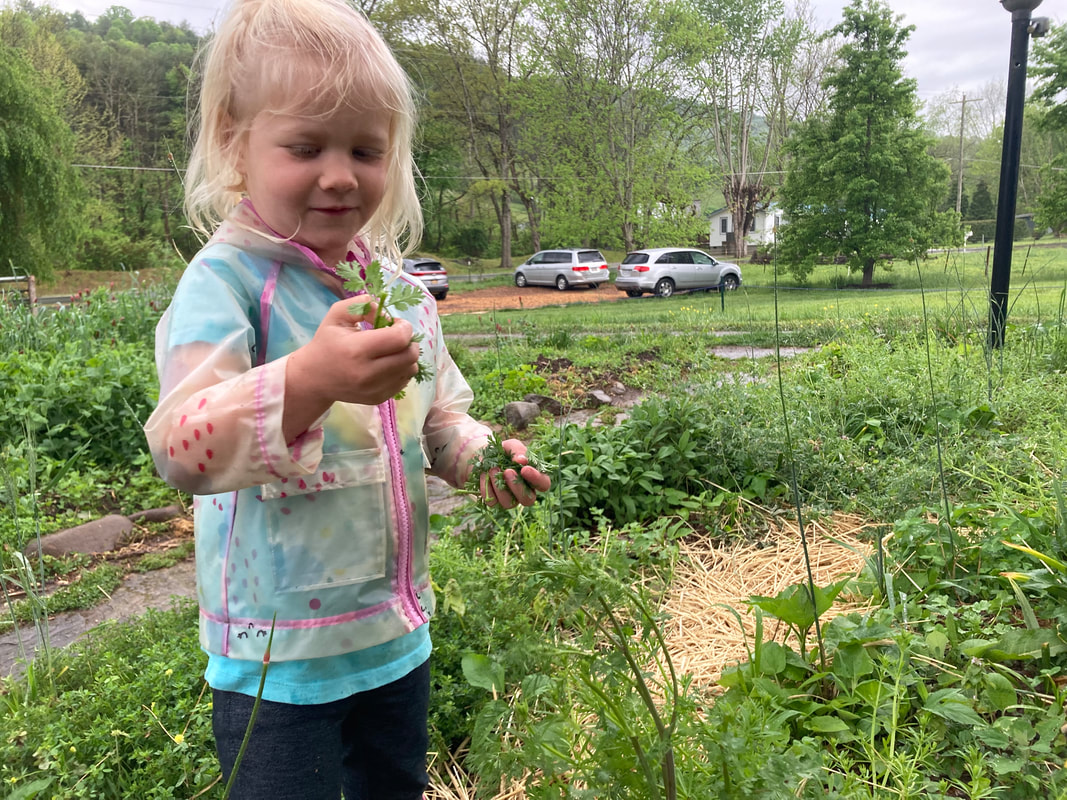
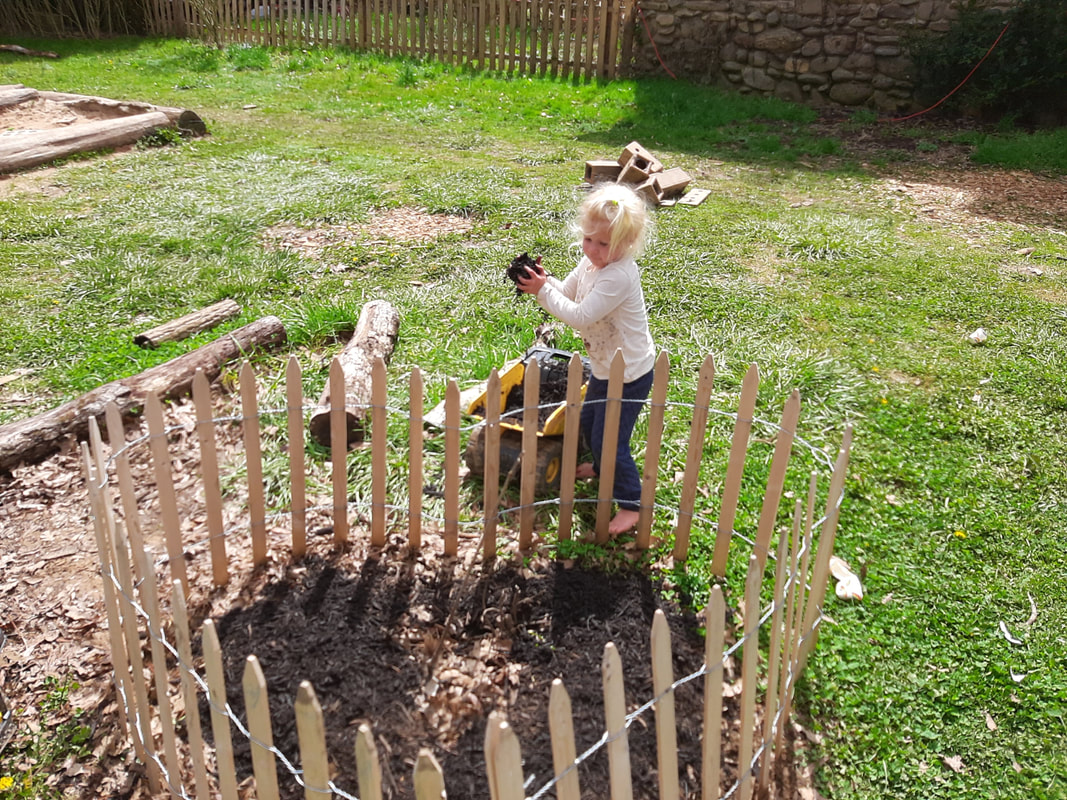
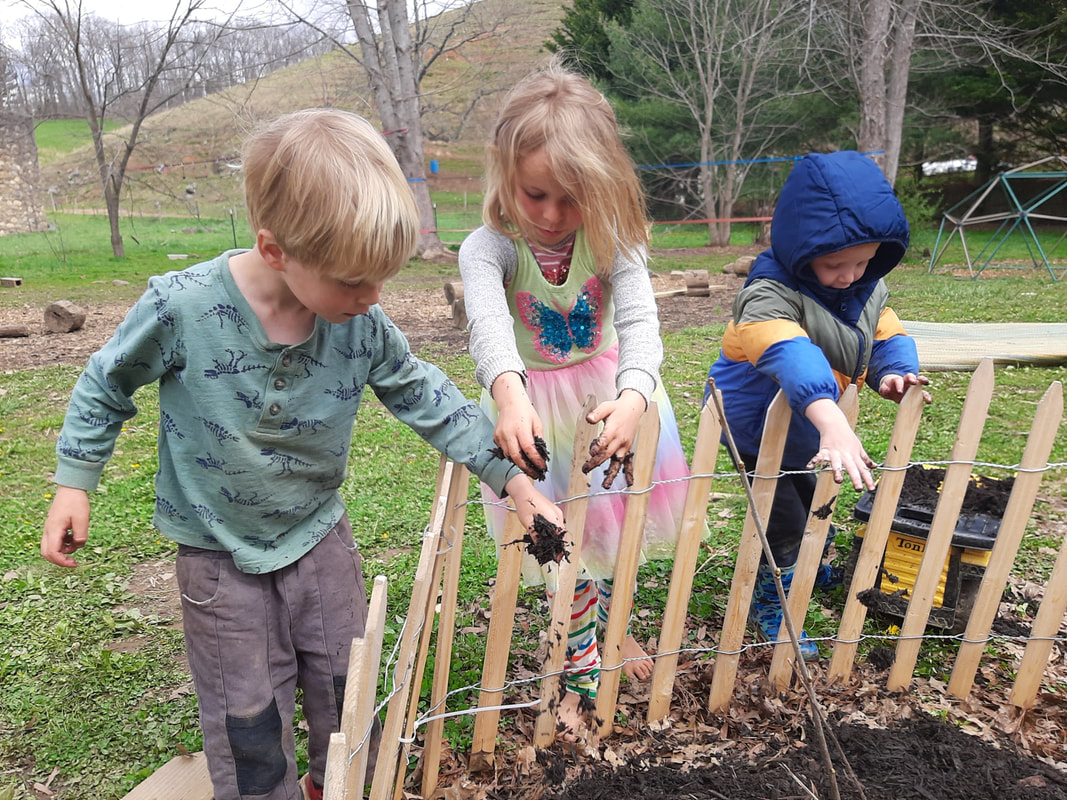
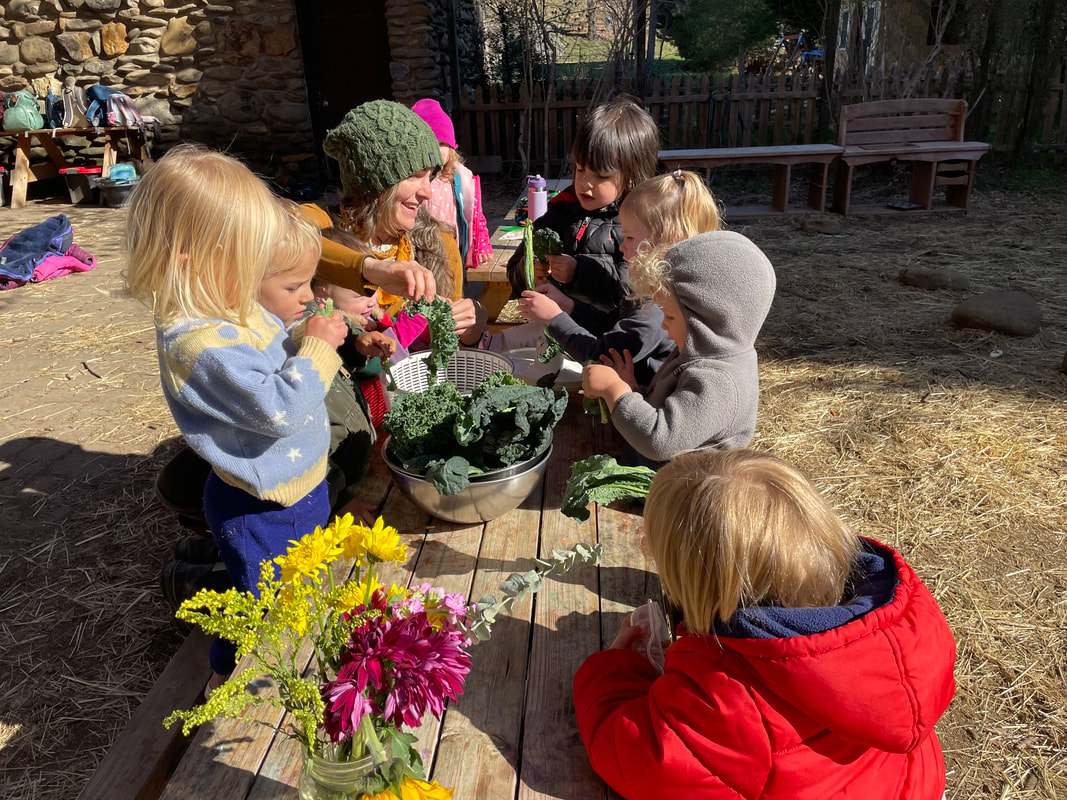
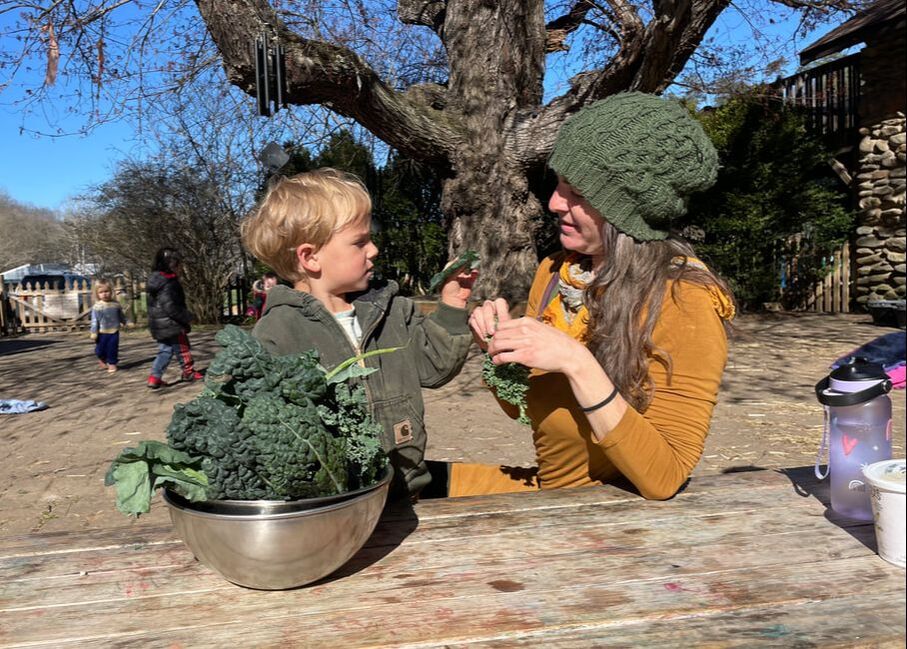
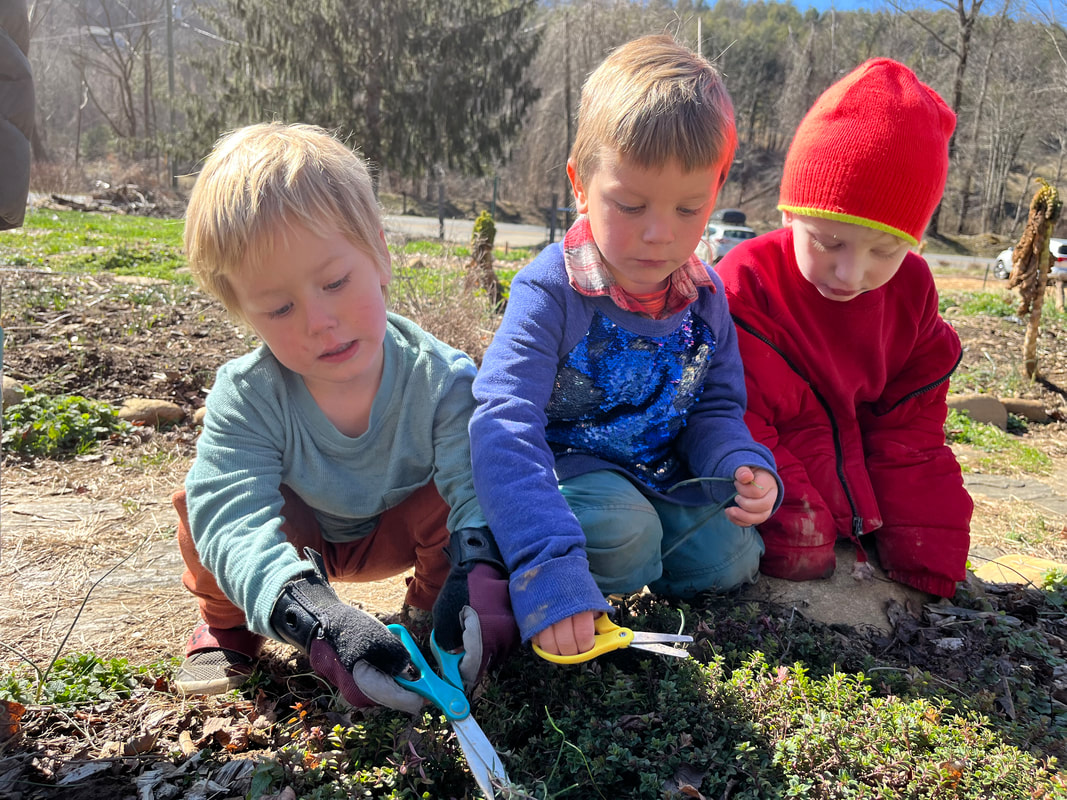
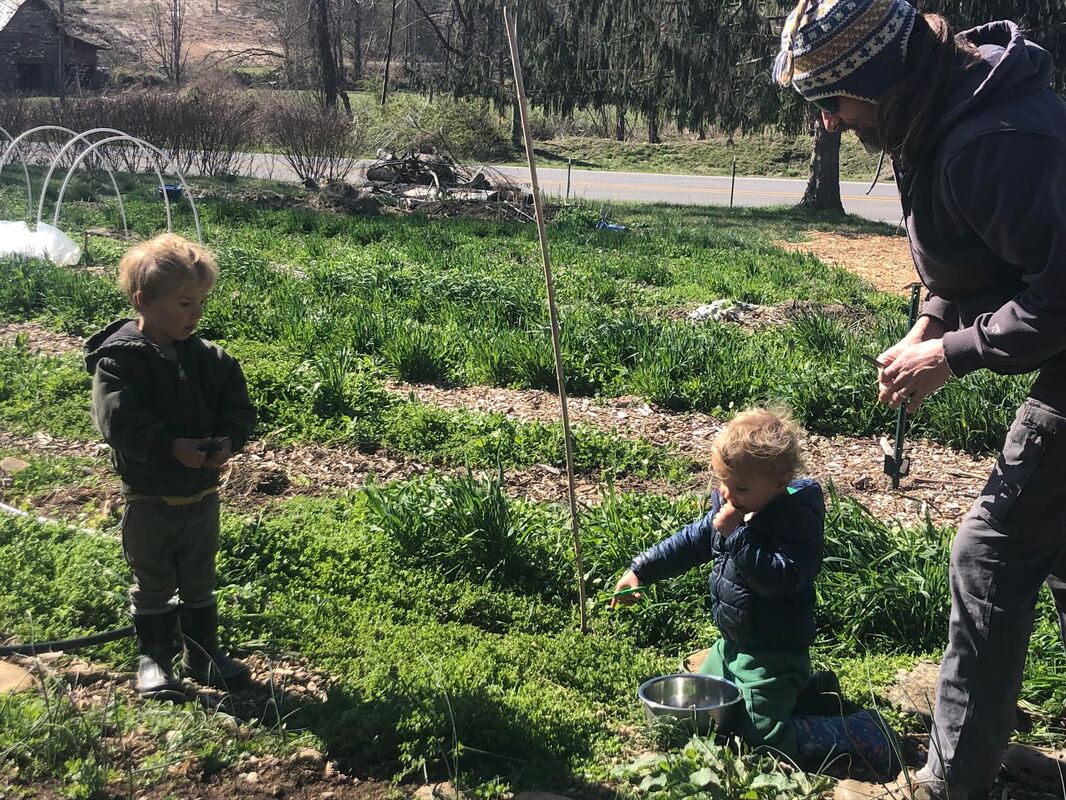
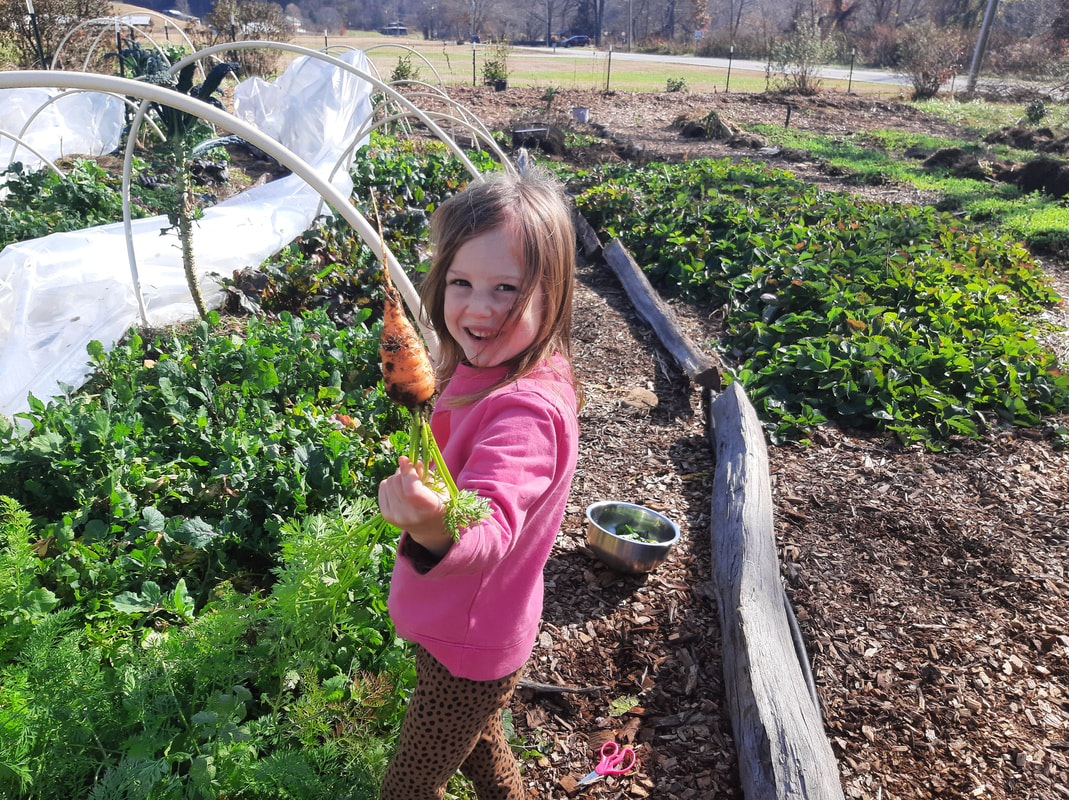
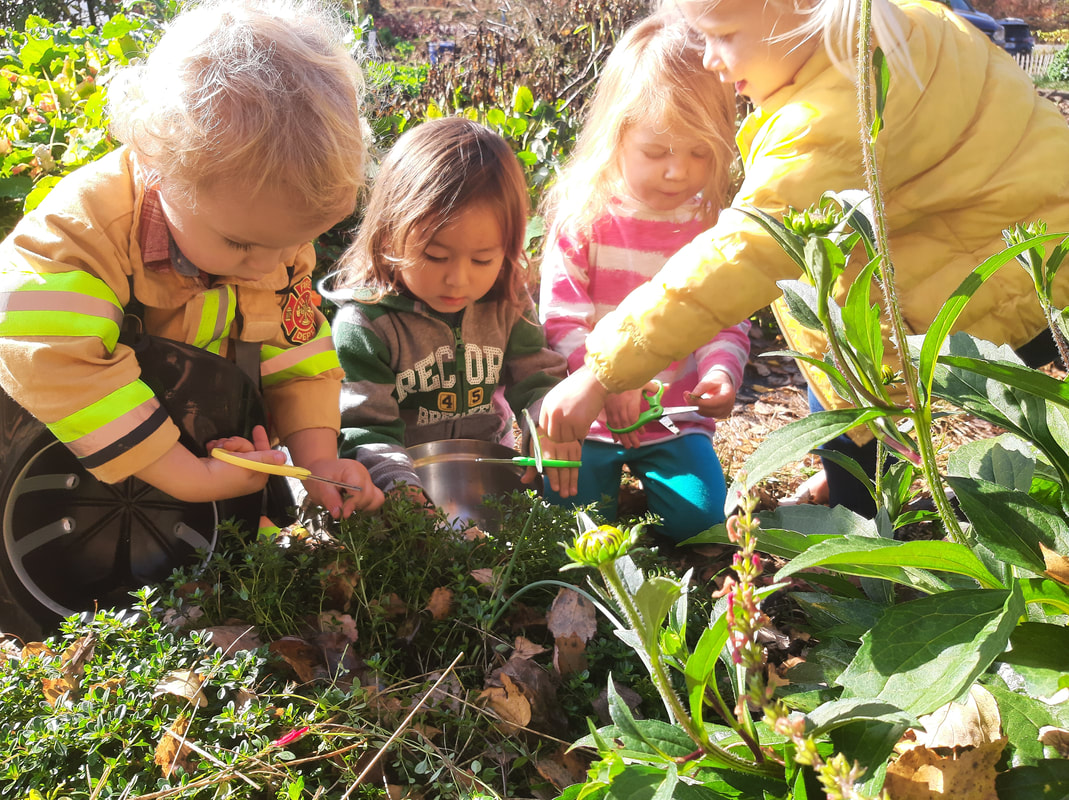
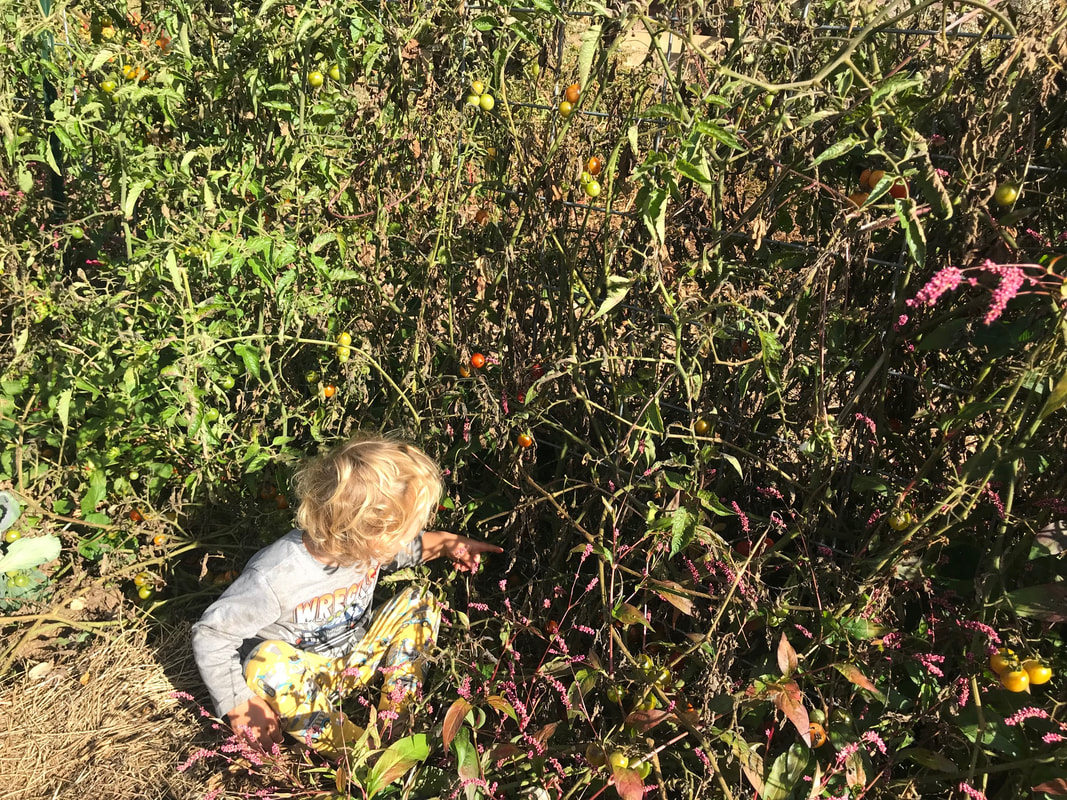
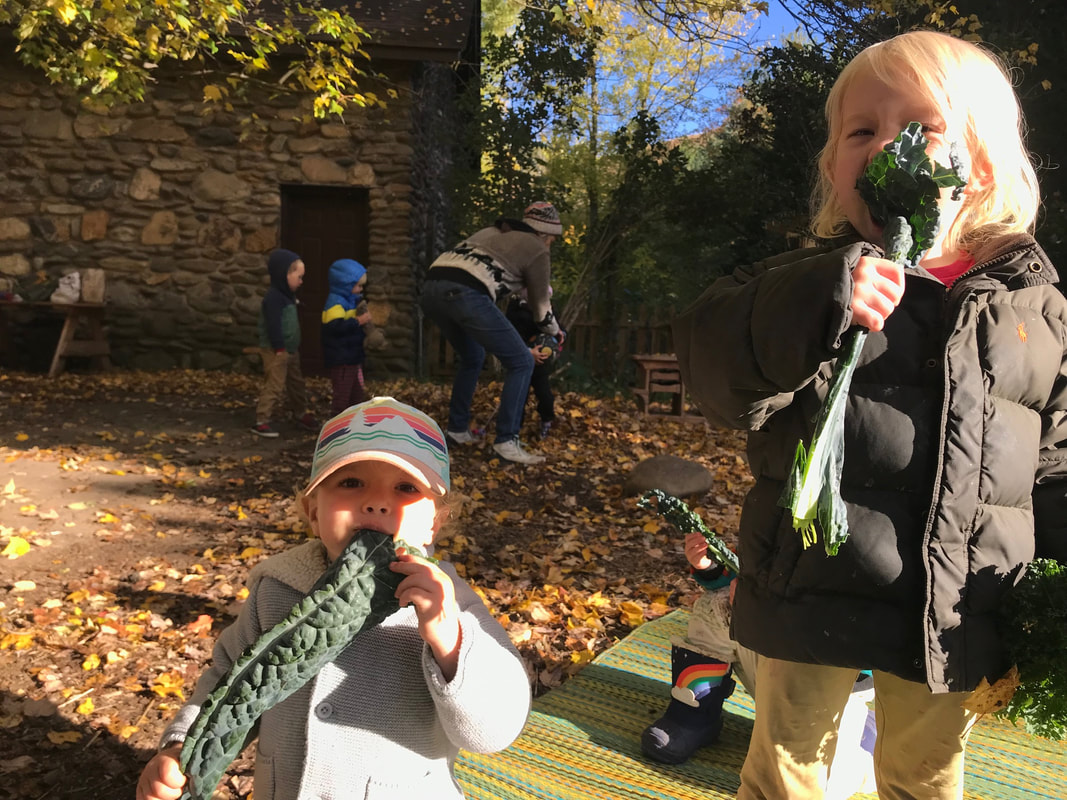
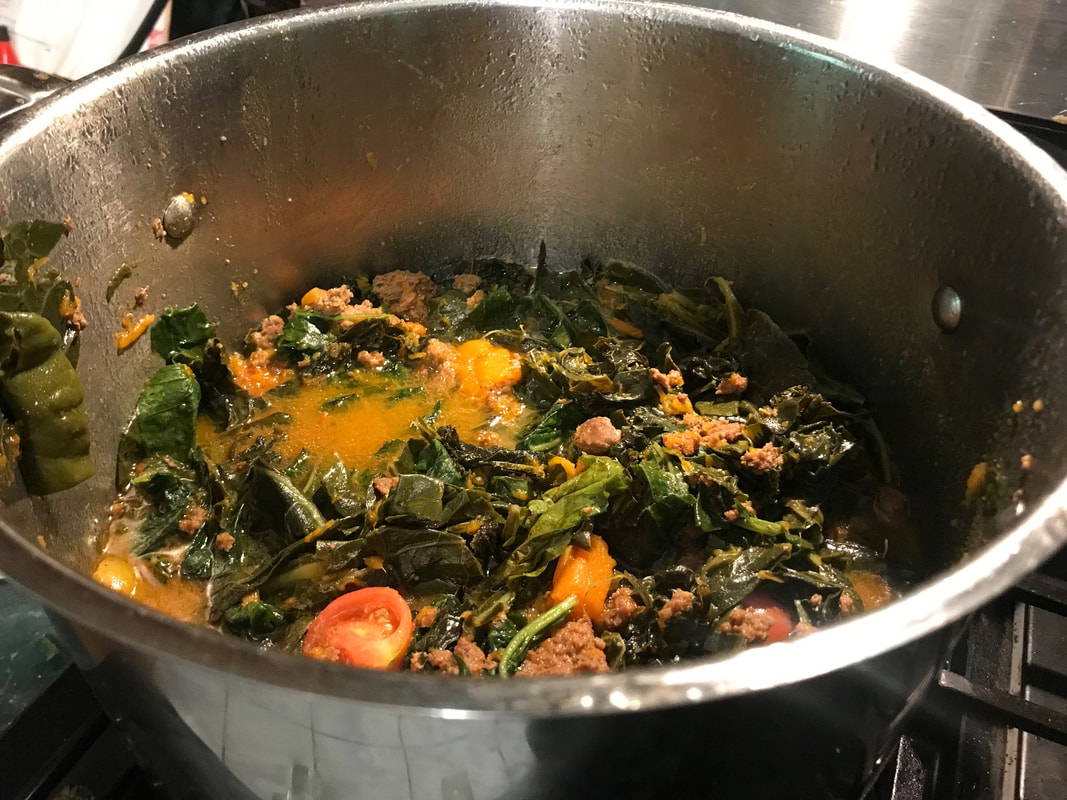
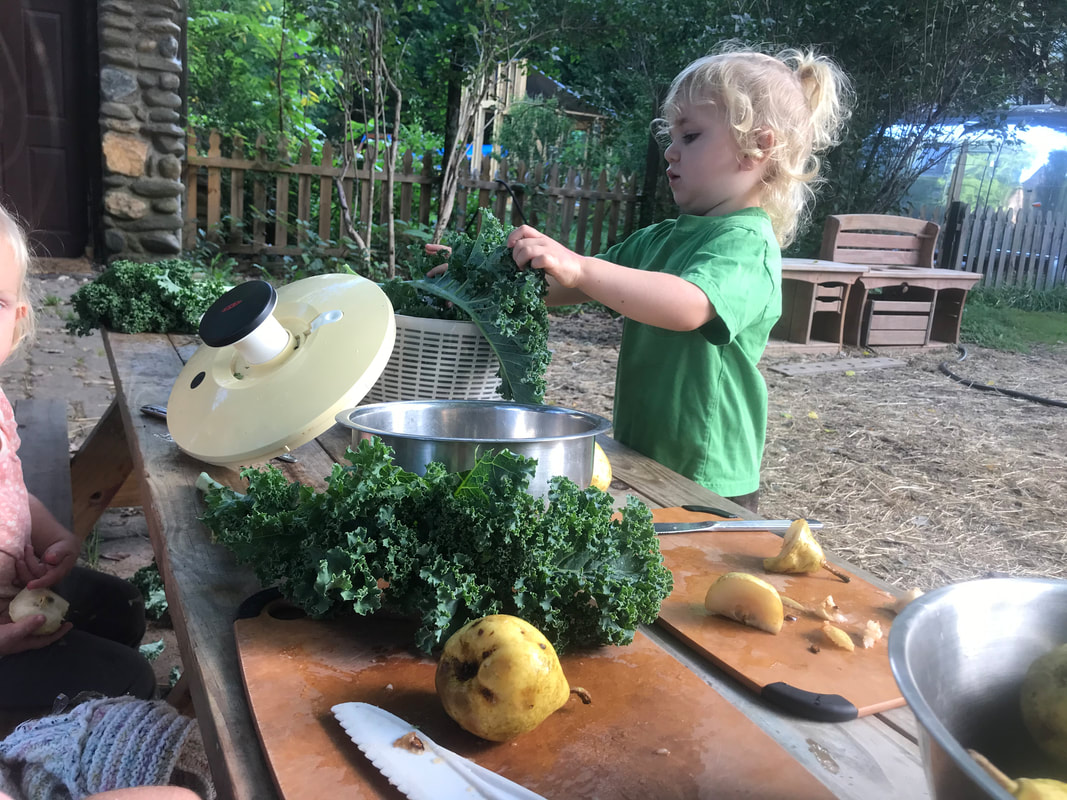
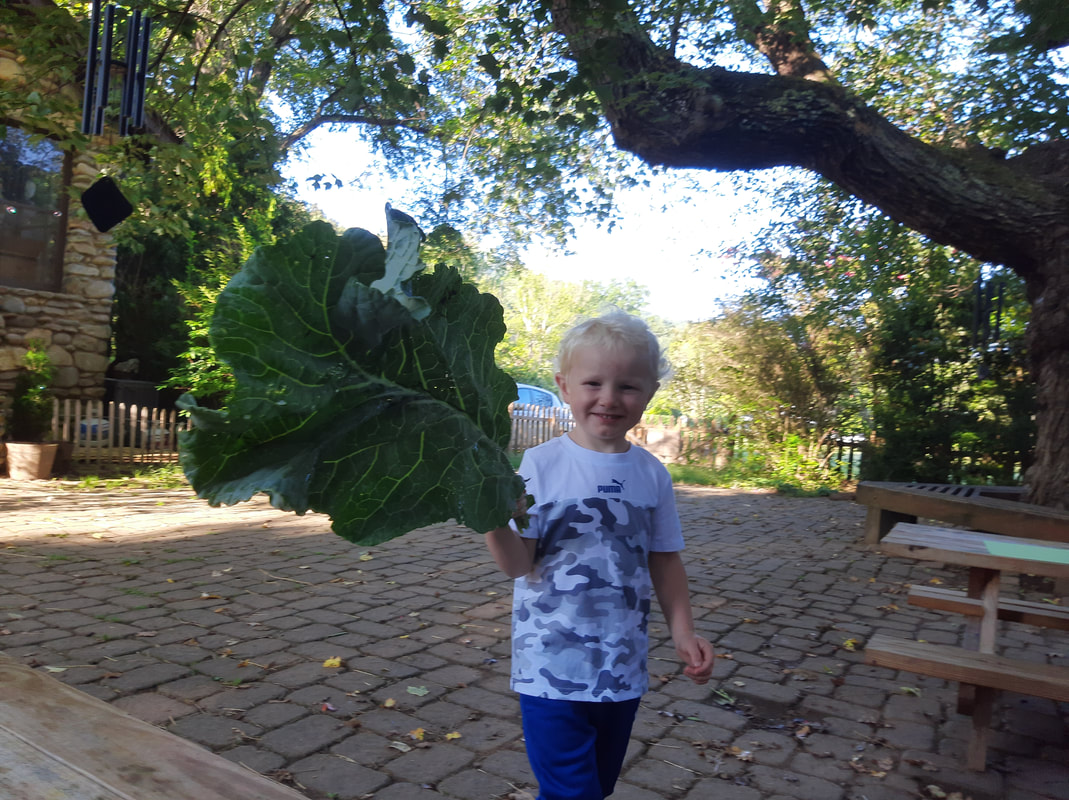
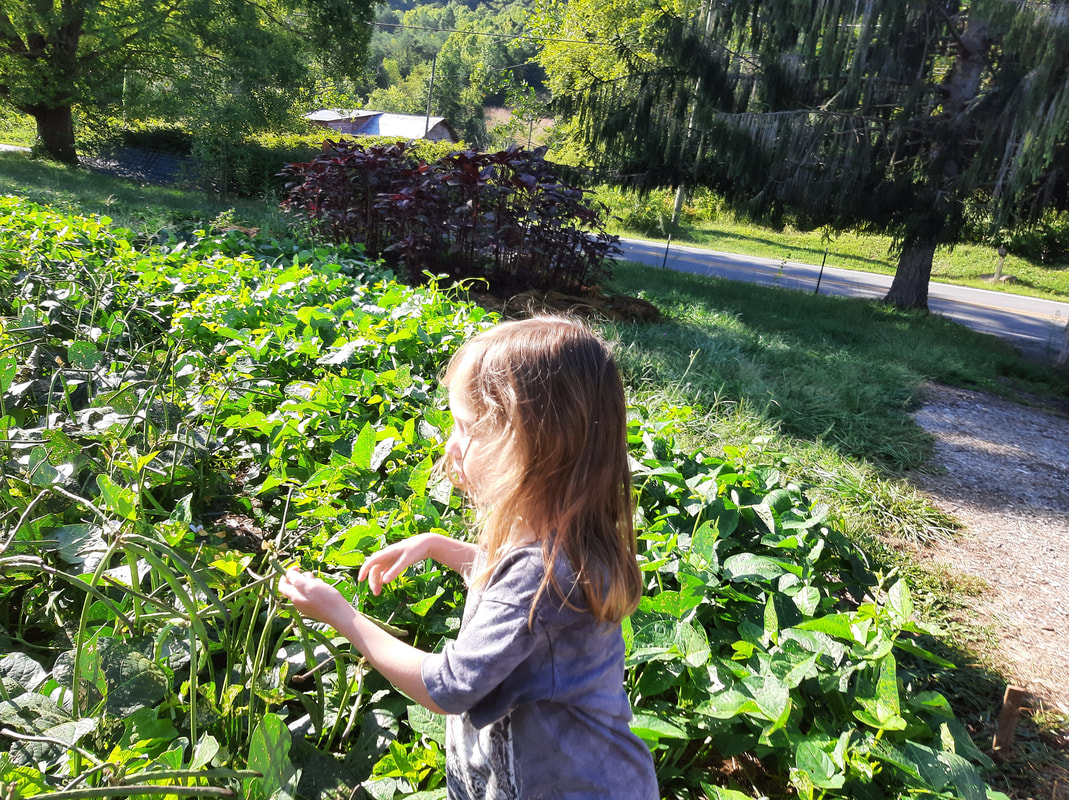
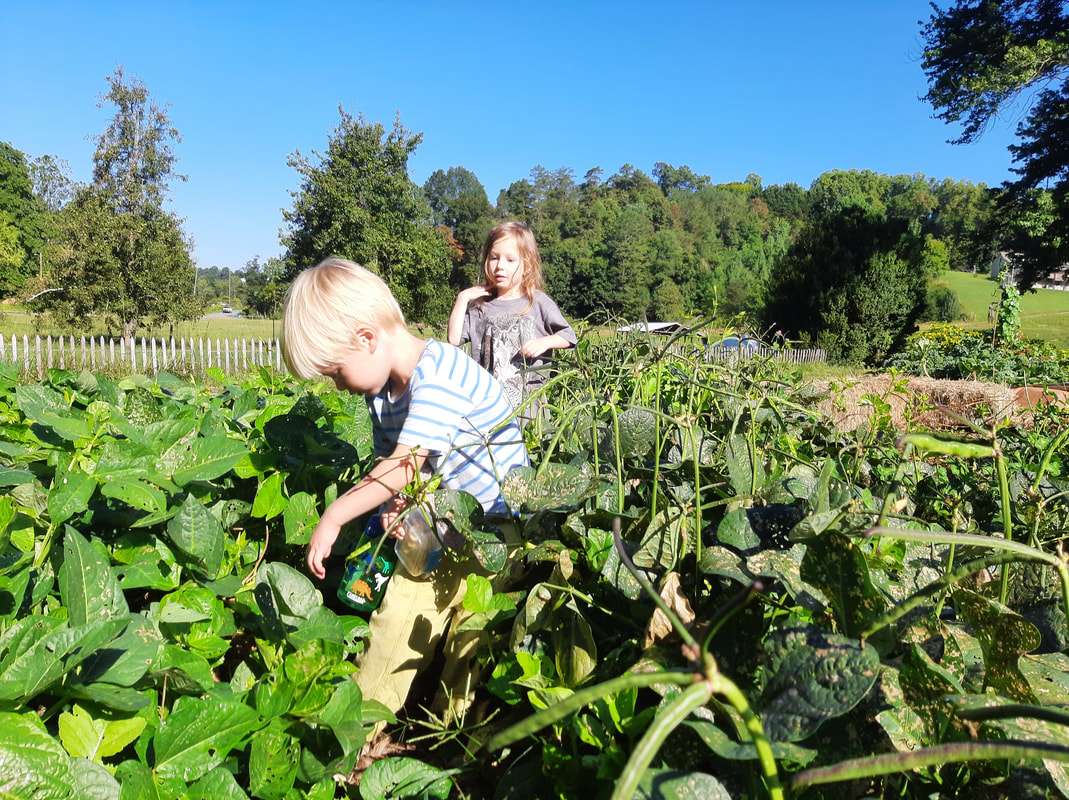
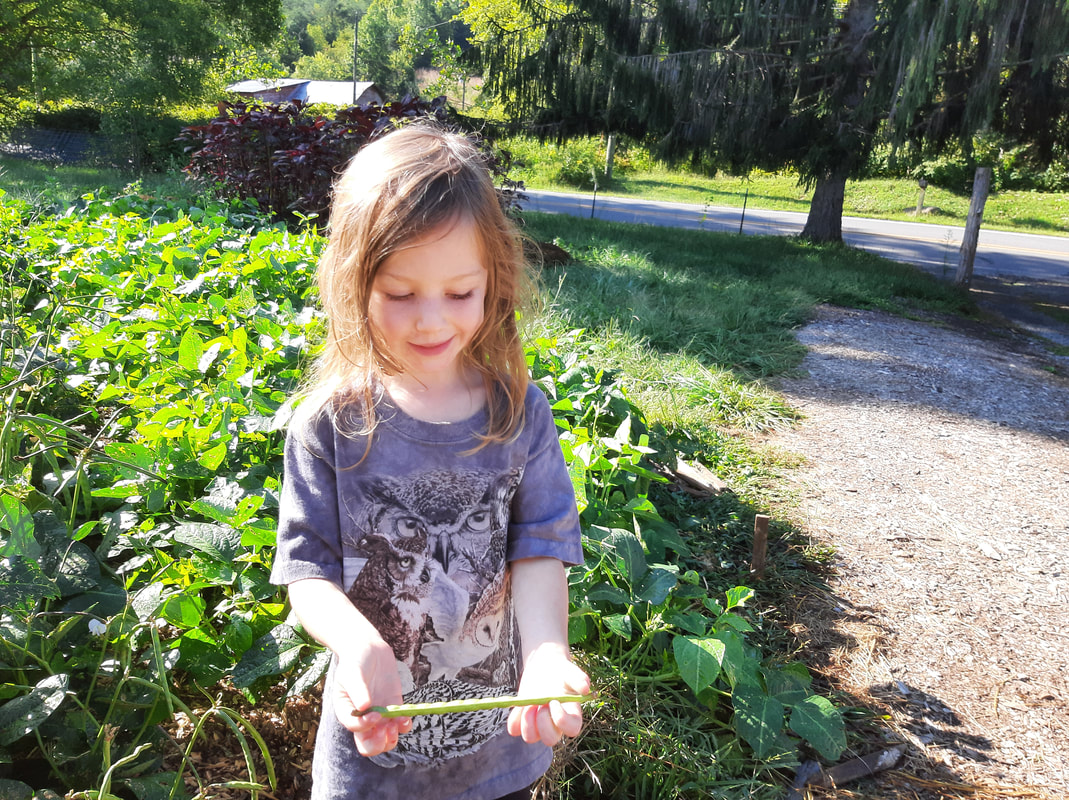
Special thank you to everyone that has helped or contributed to the garden in some way. We are so grateful to be able to share something fresh from the garden with the children almost every day!


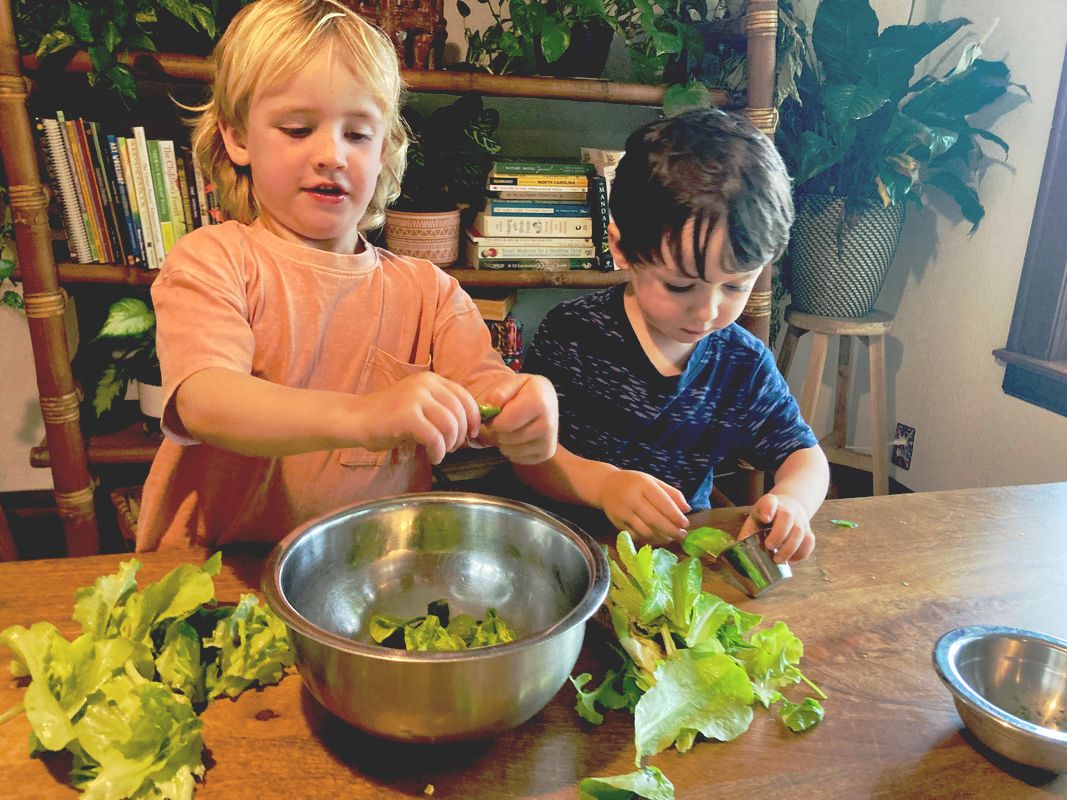
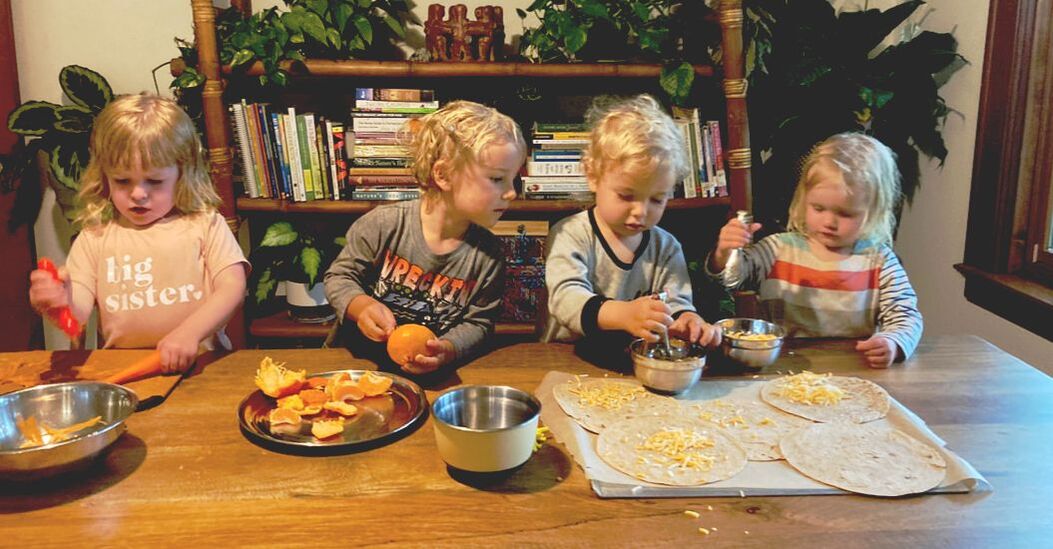
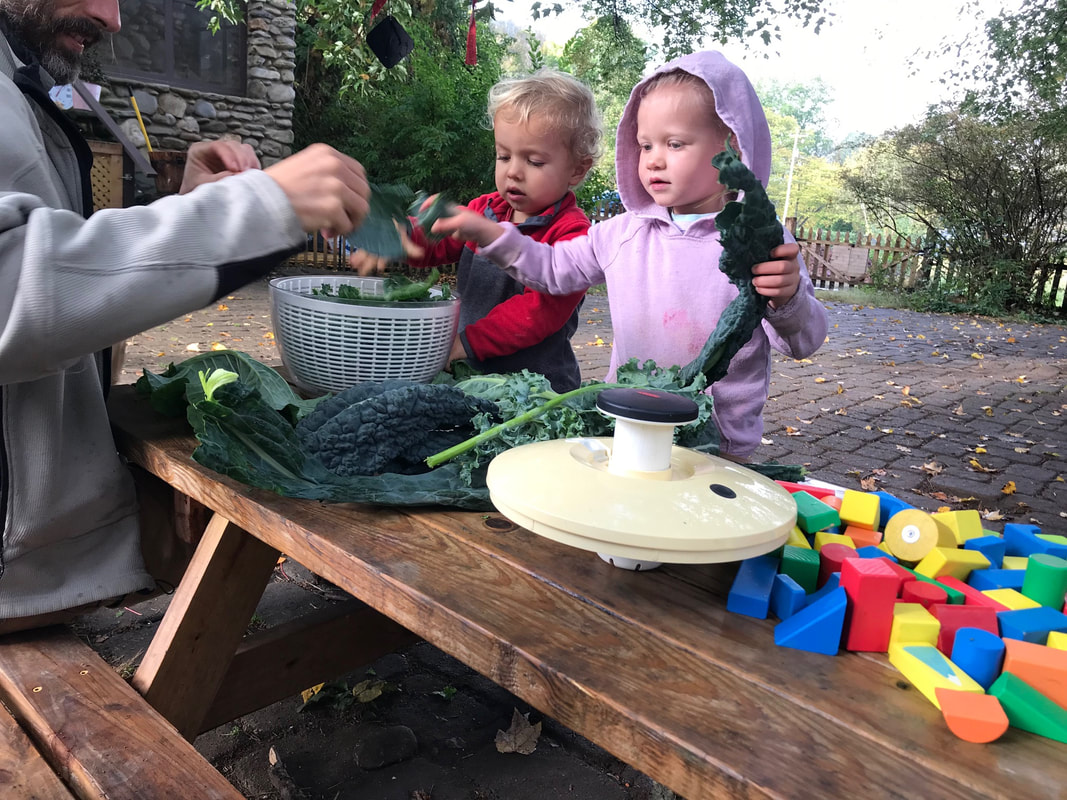
Lunch Bunch Helpers
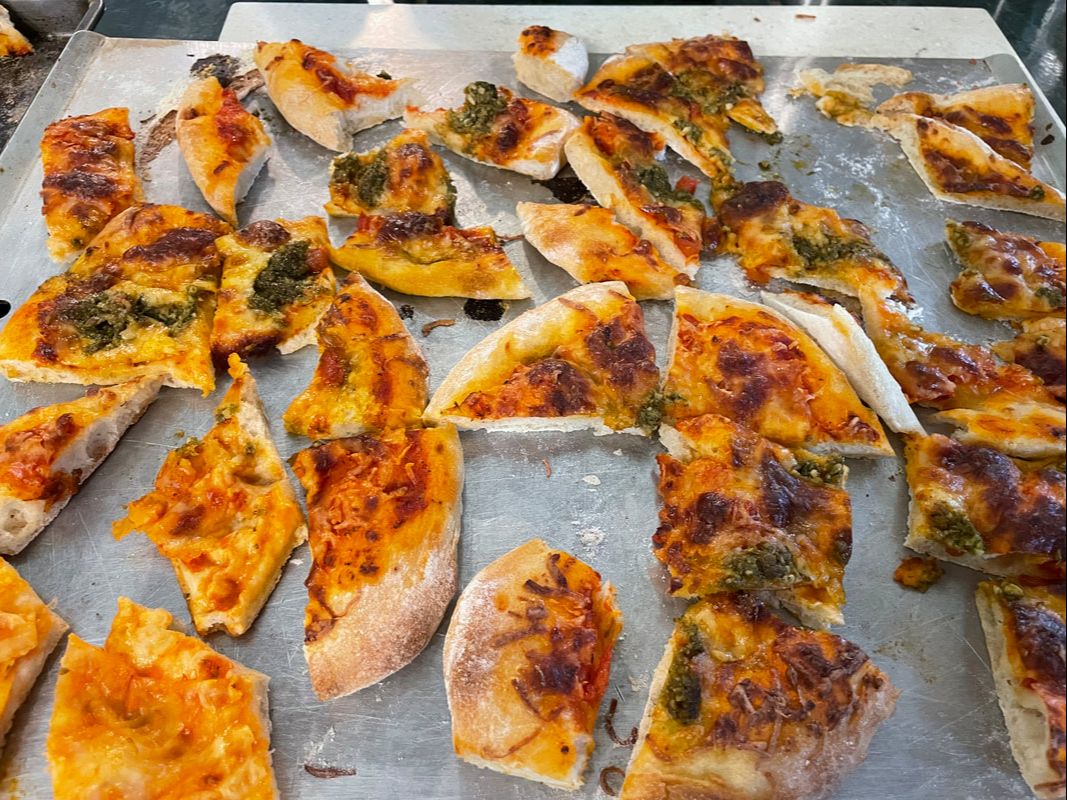
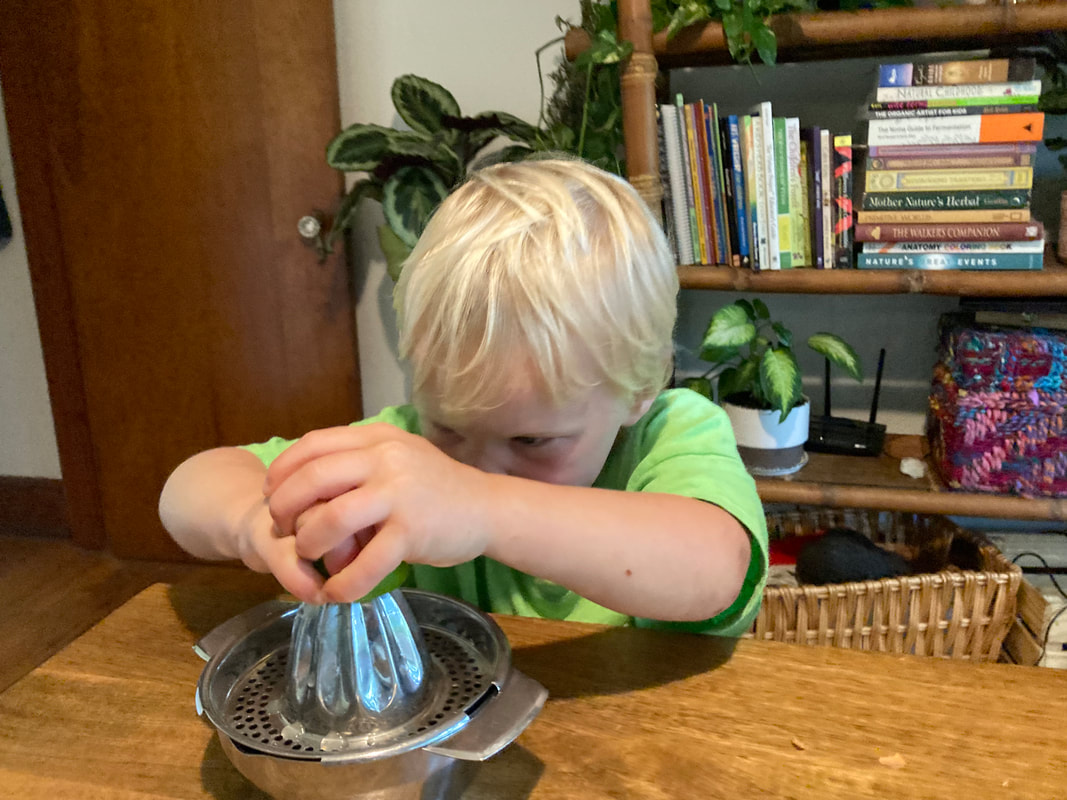
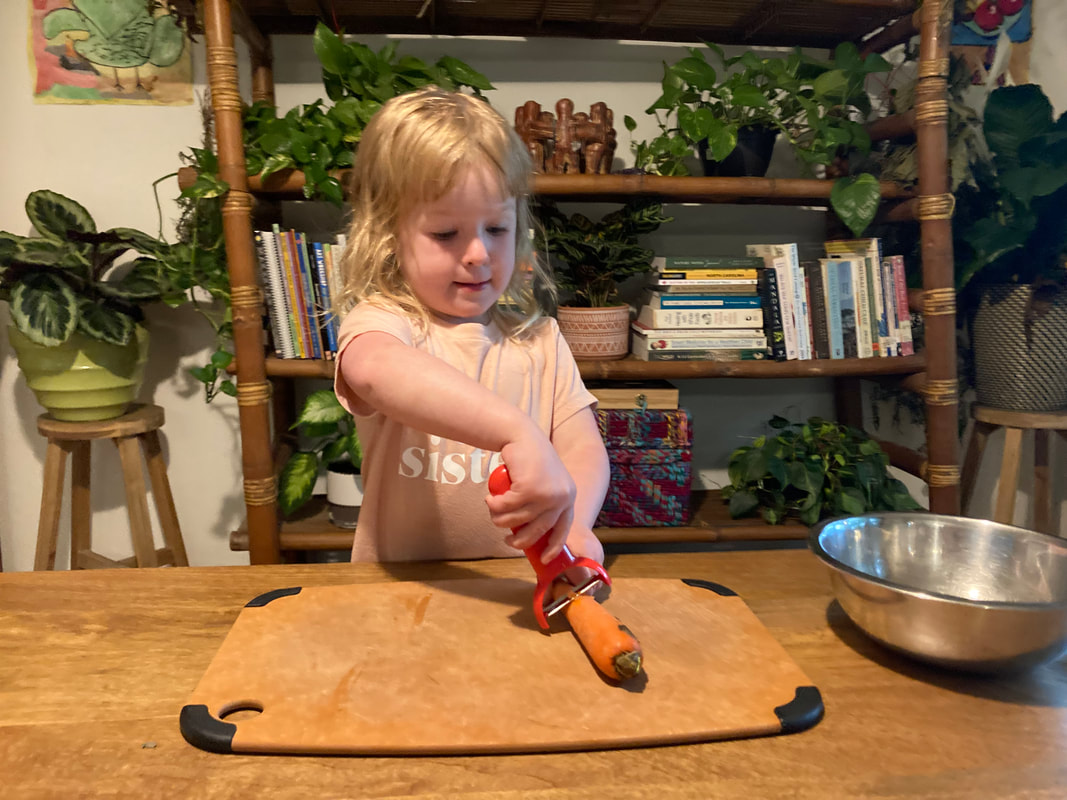
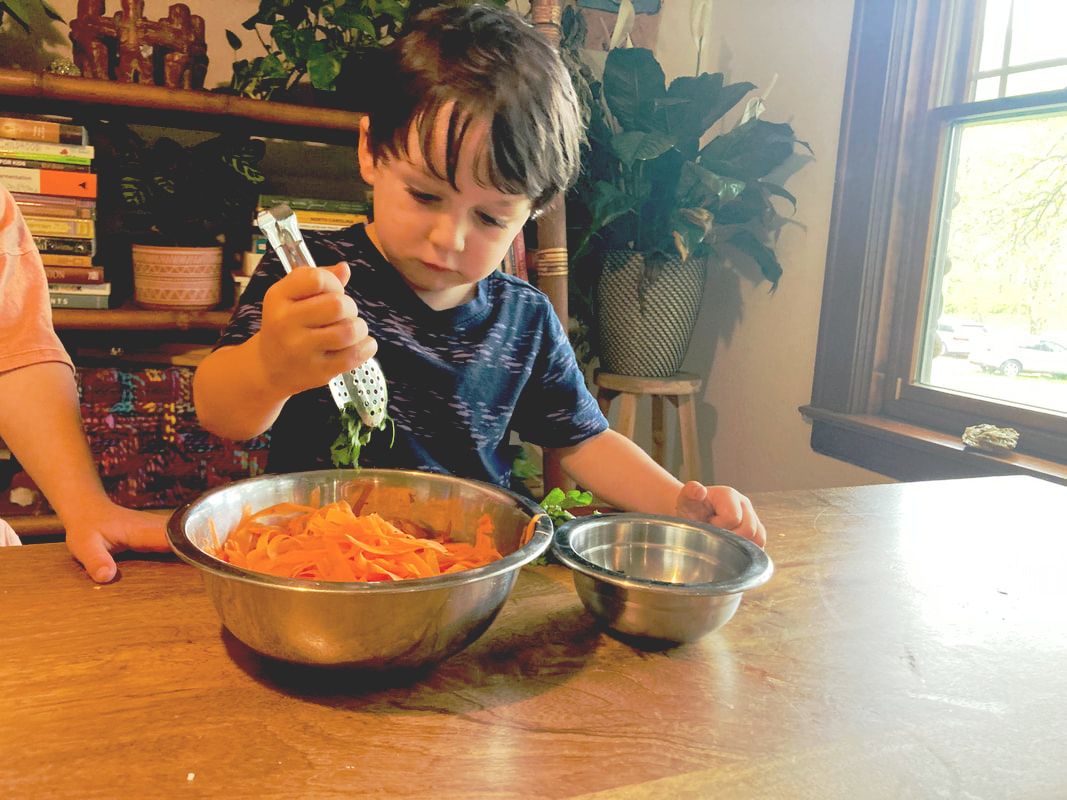
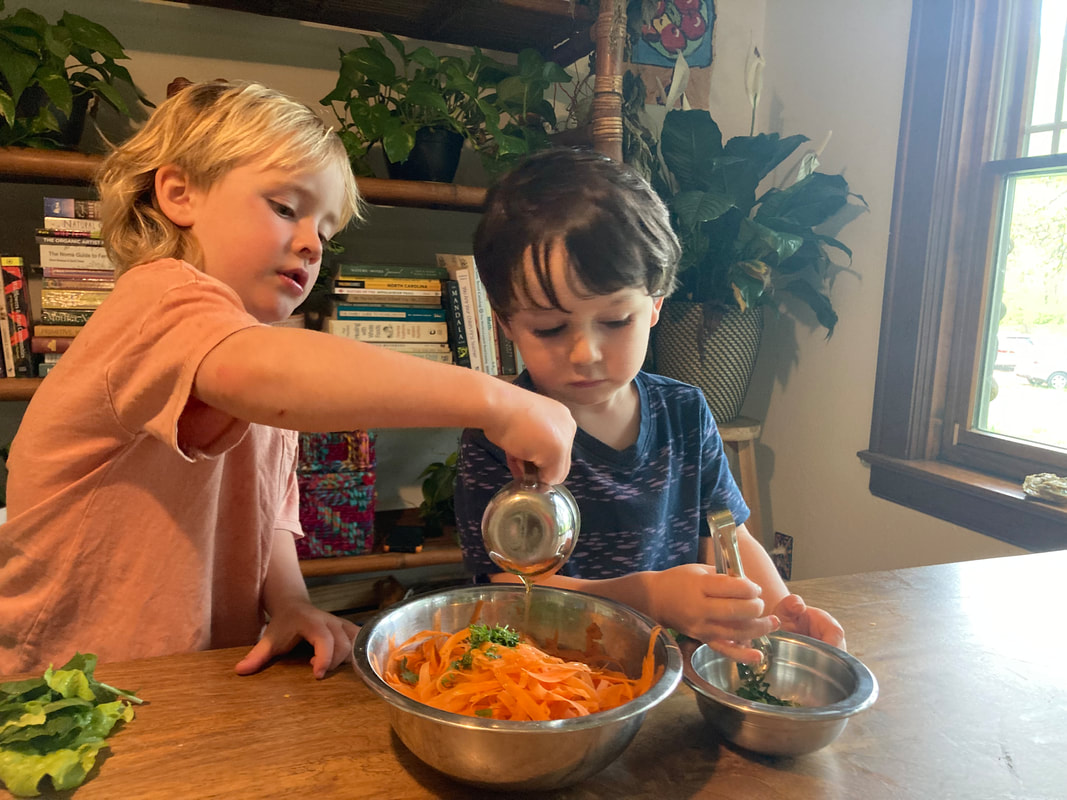
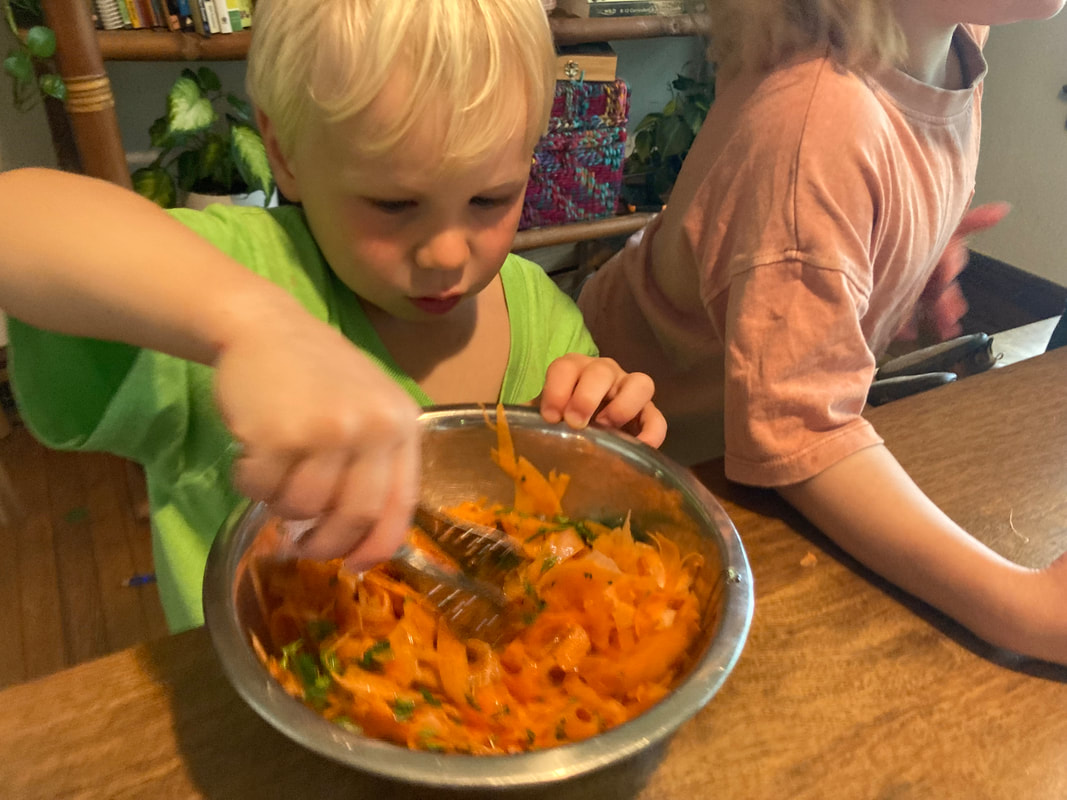
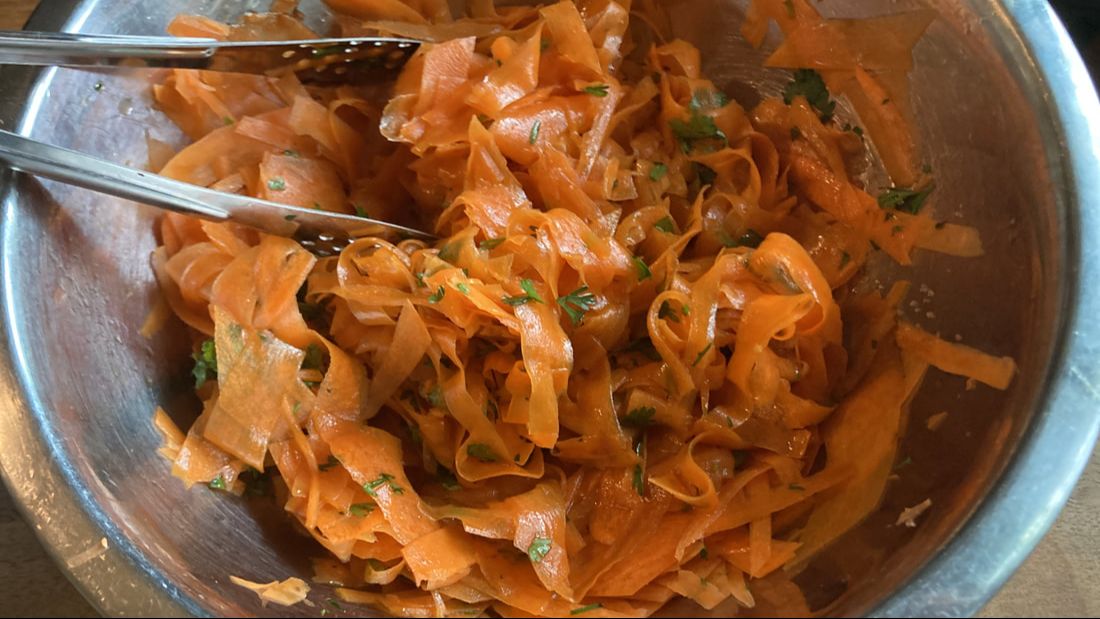
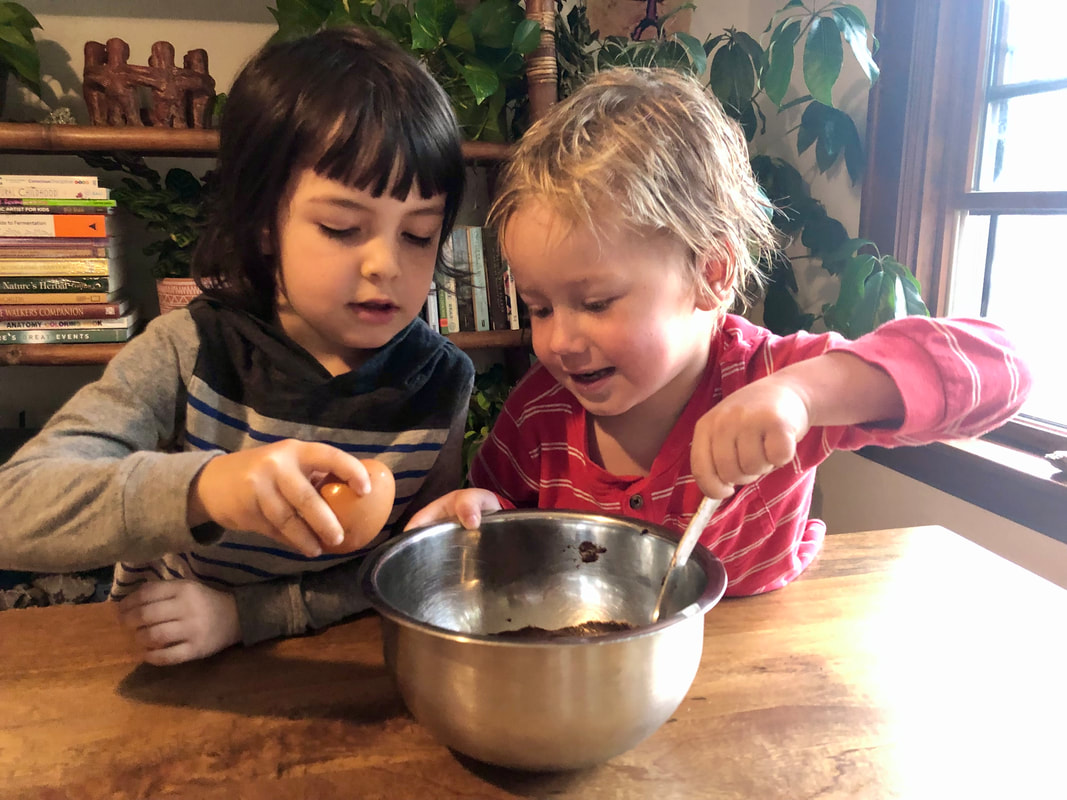
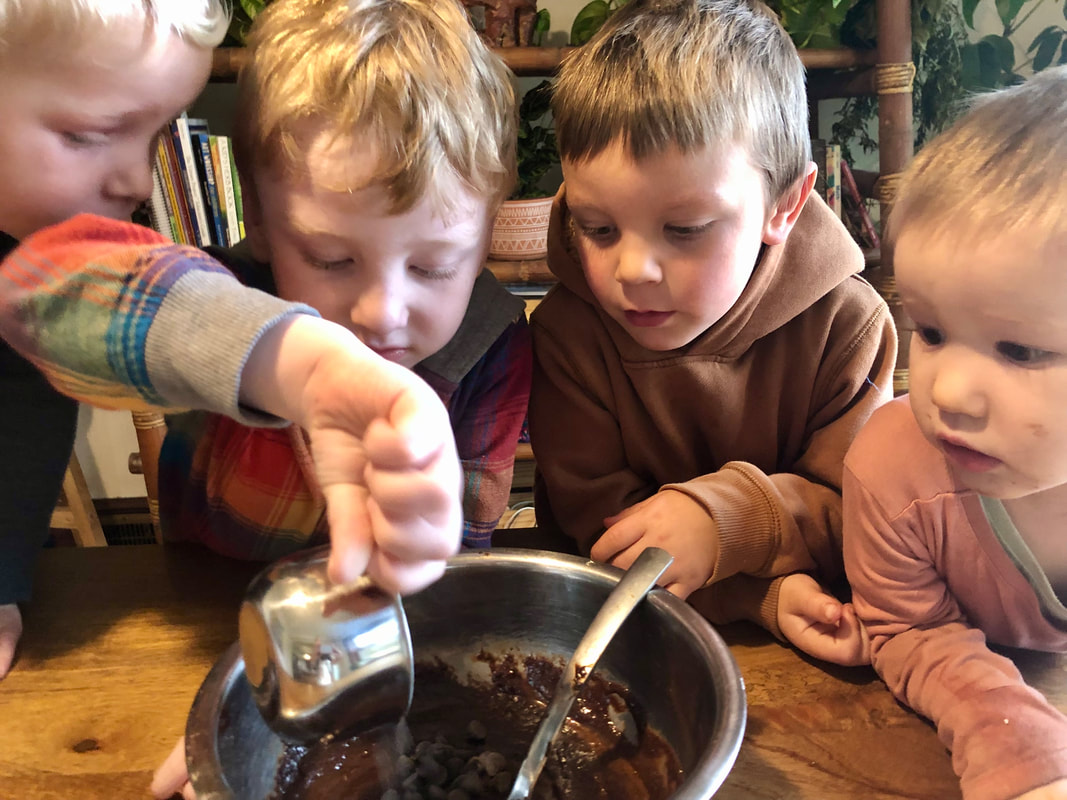
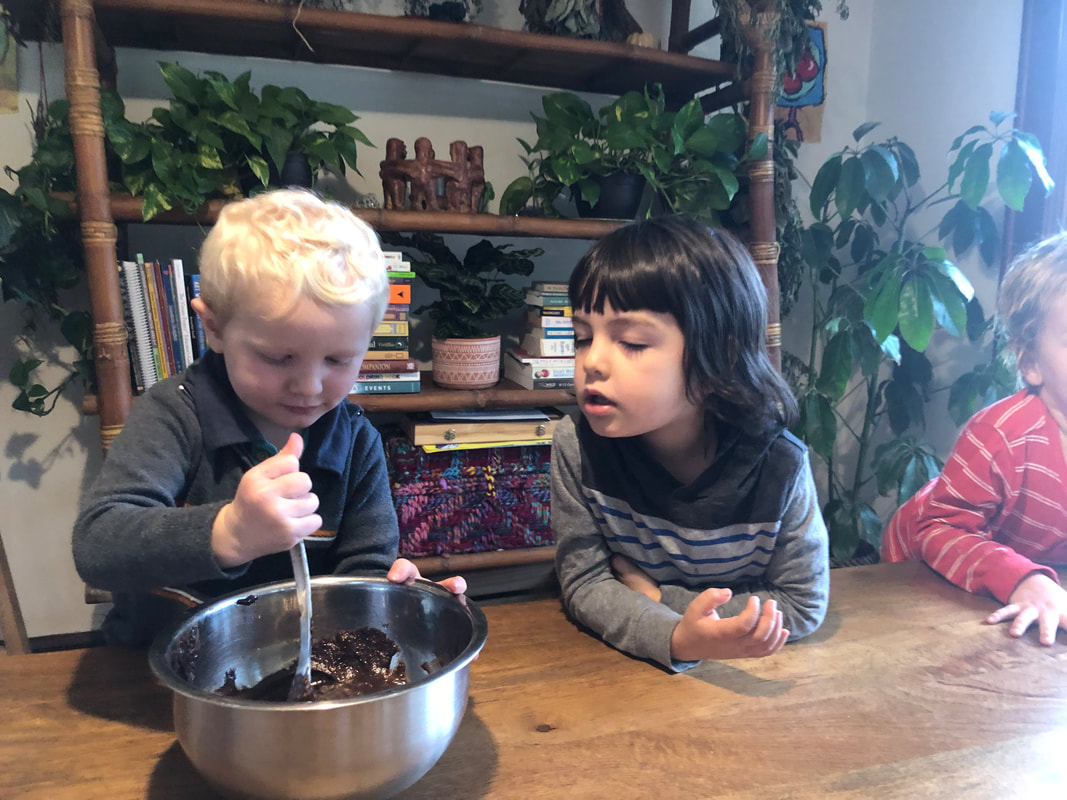
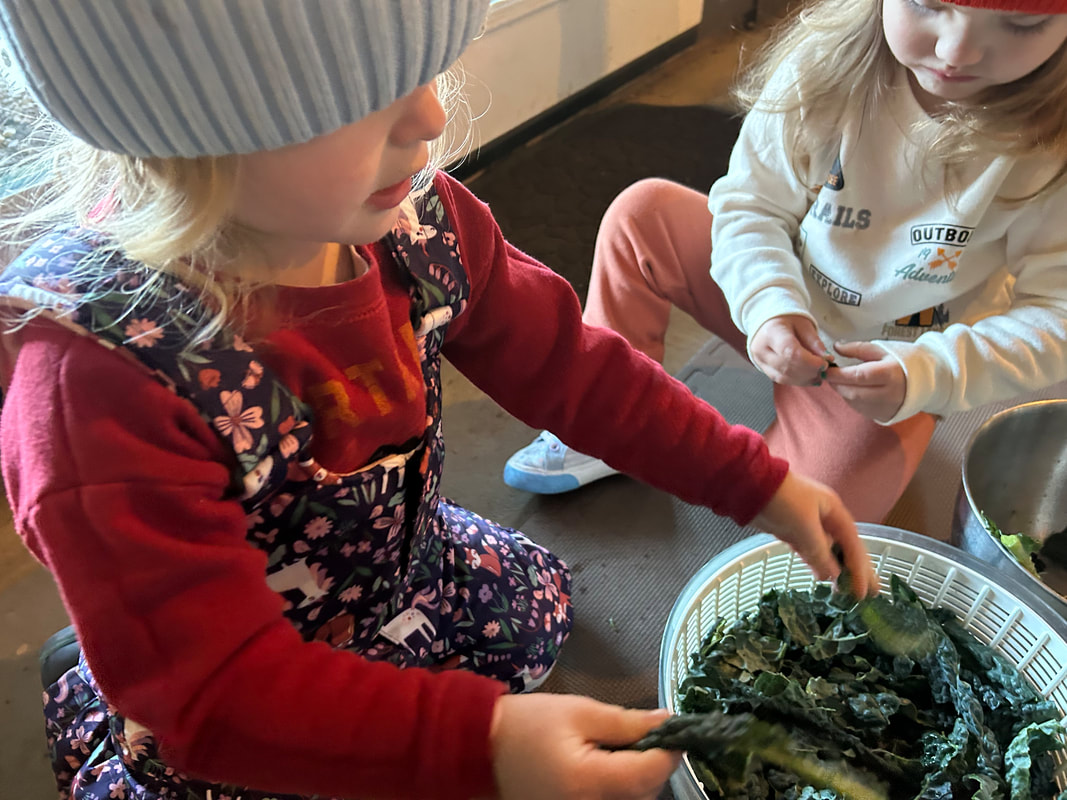
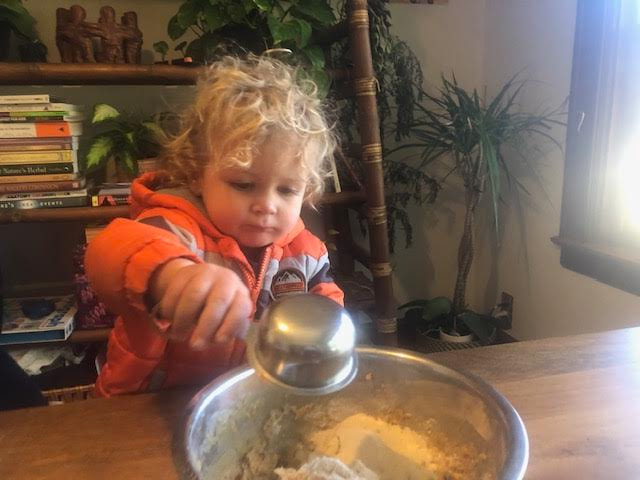
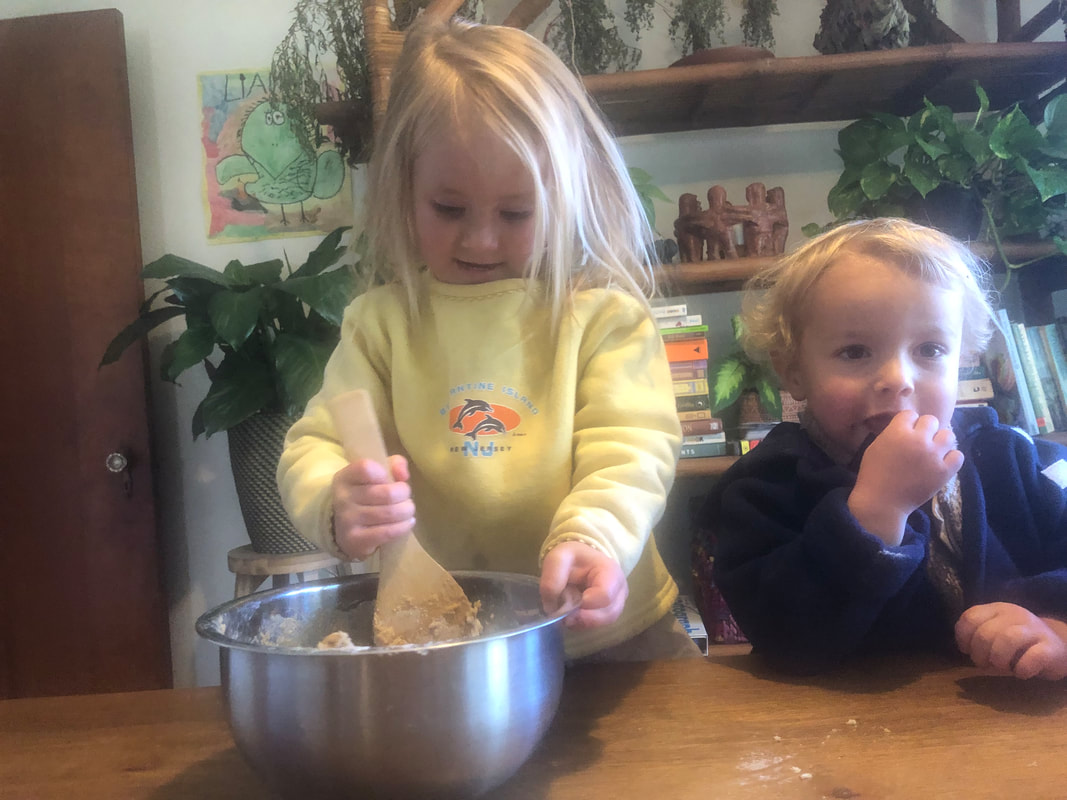
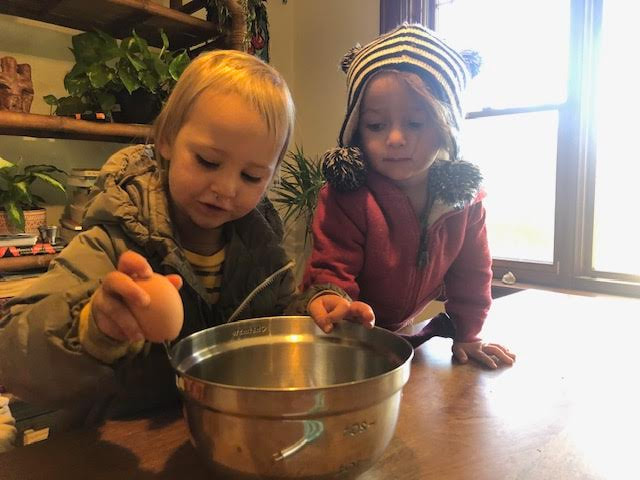
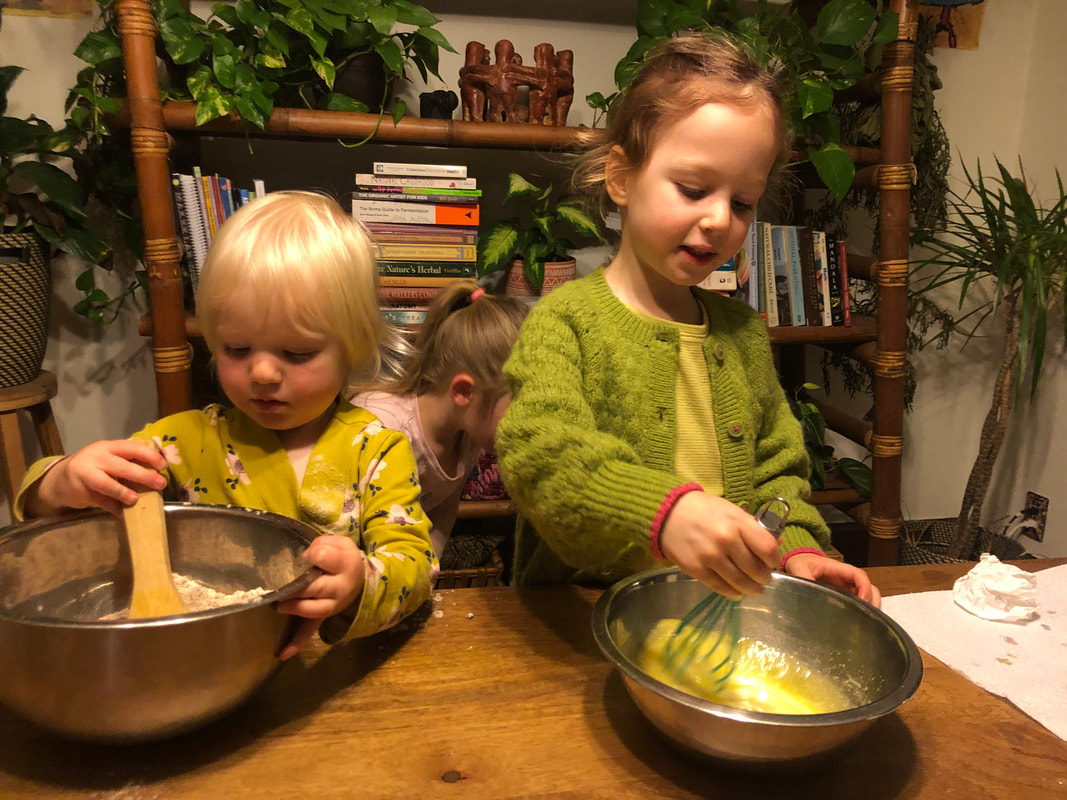
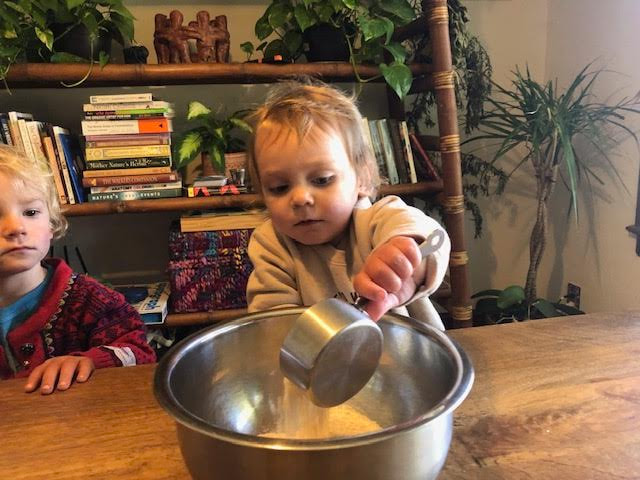
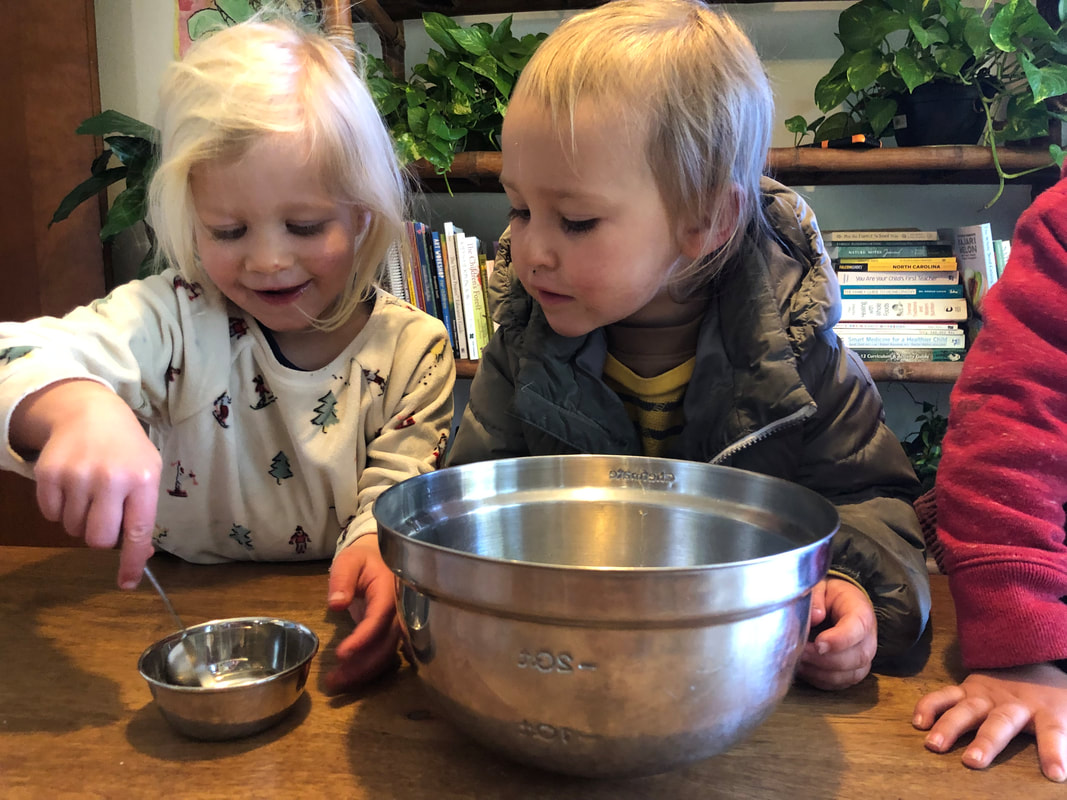
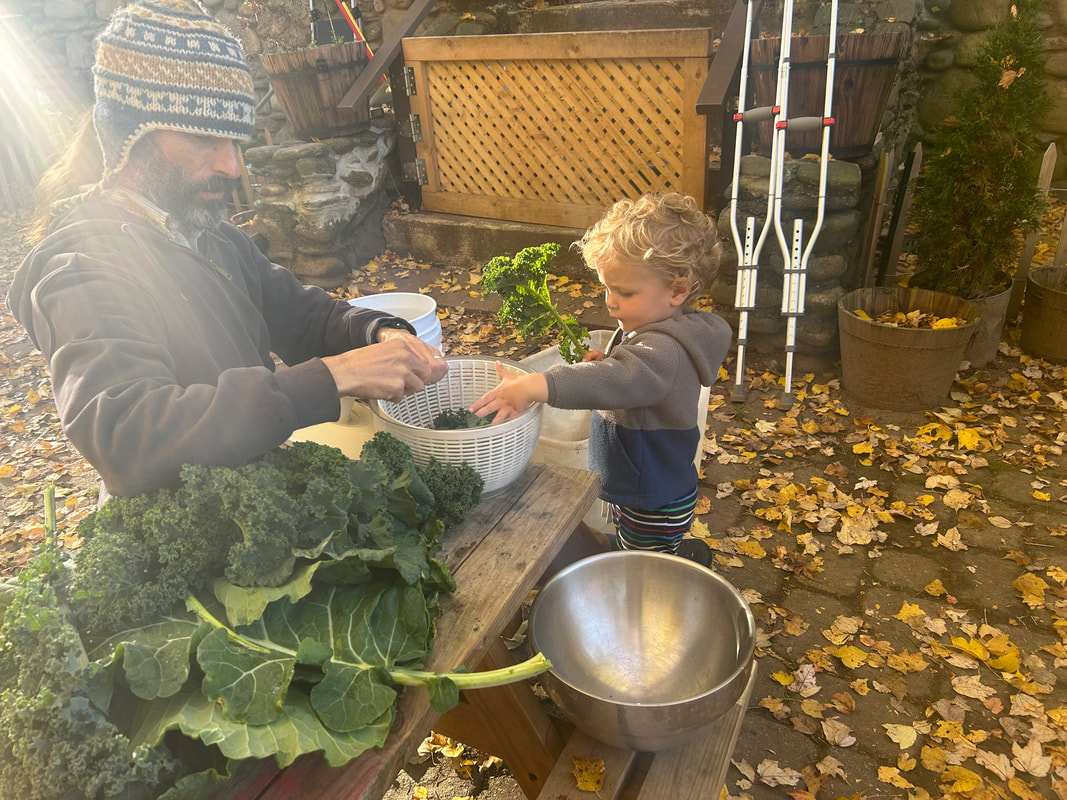
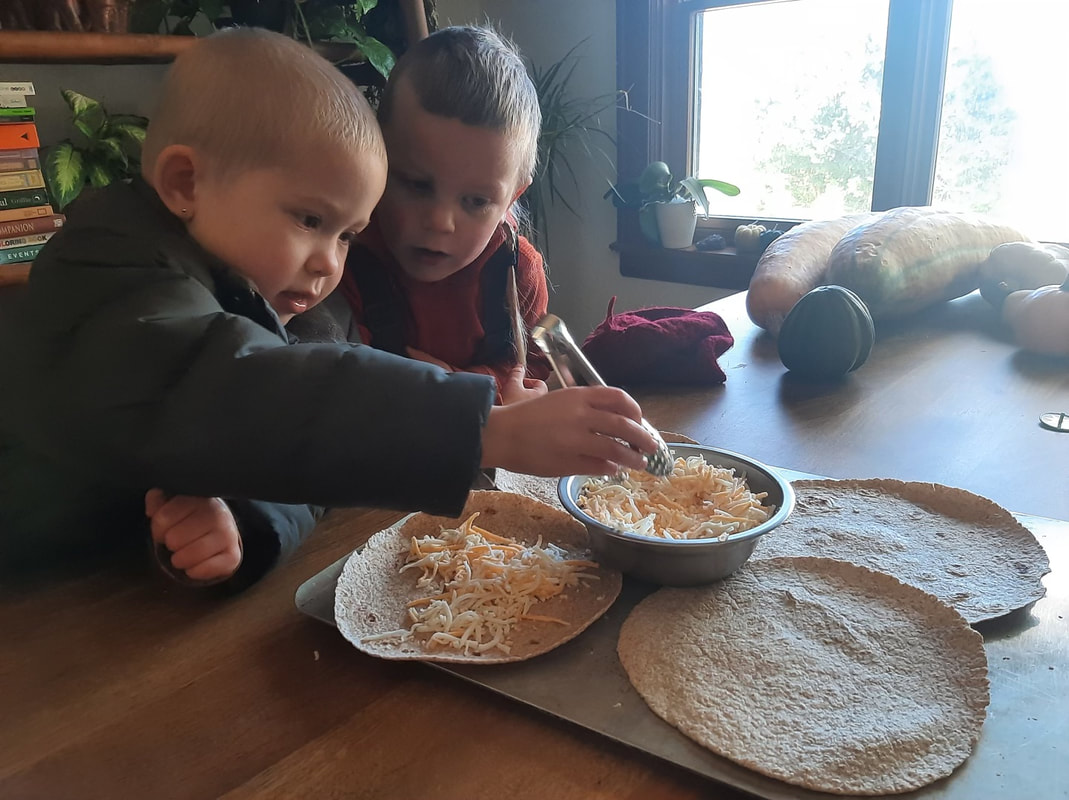
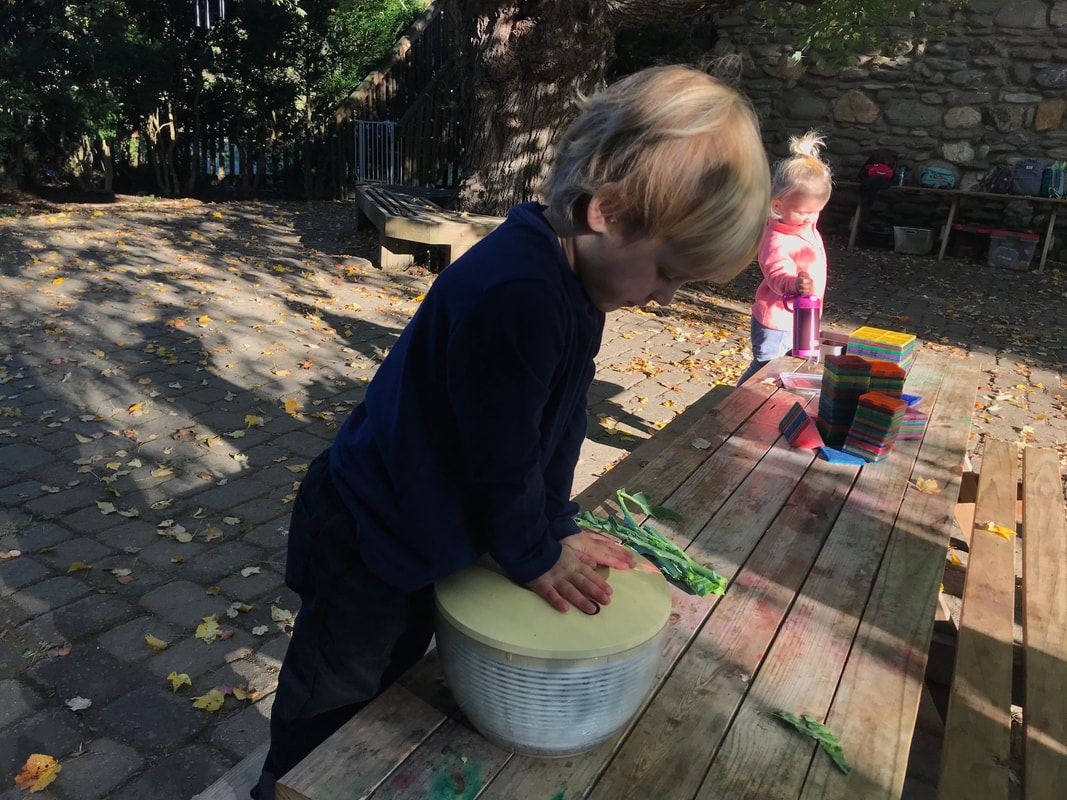
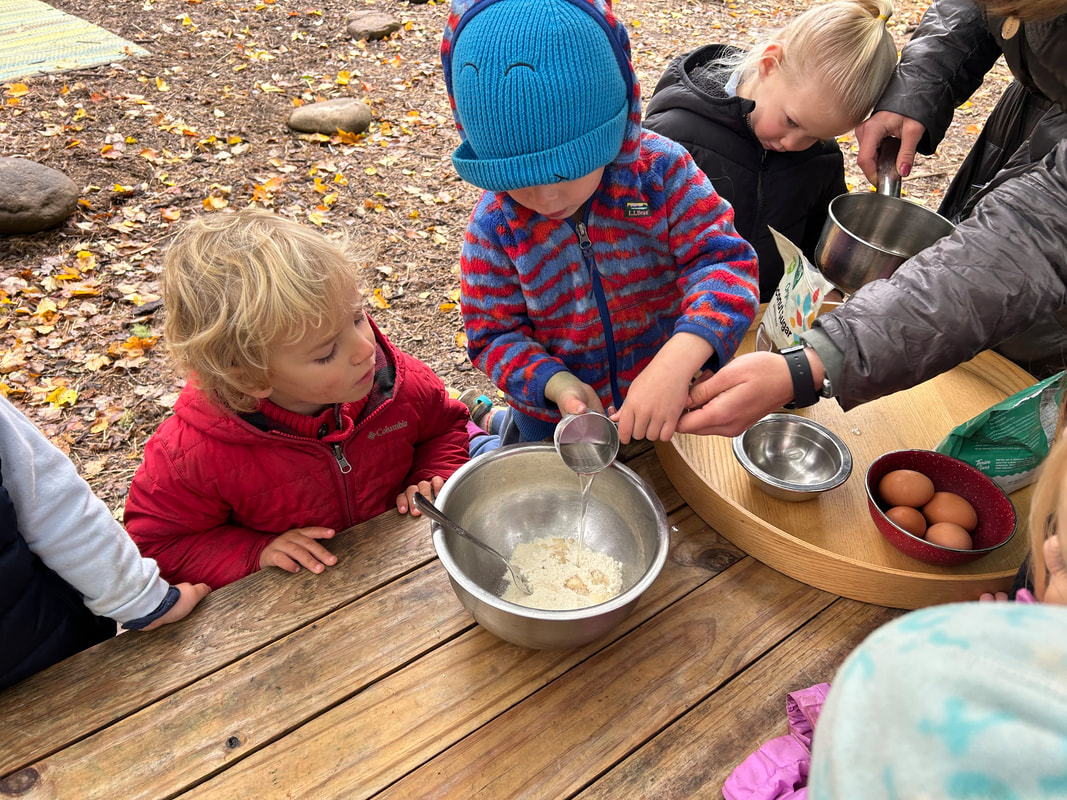
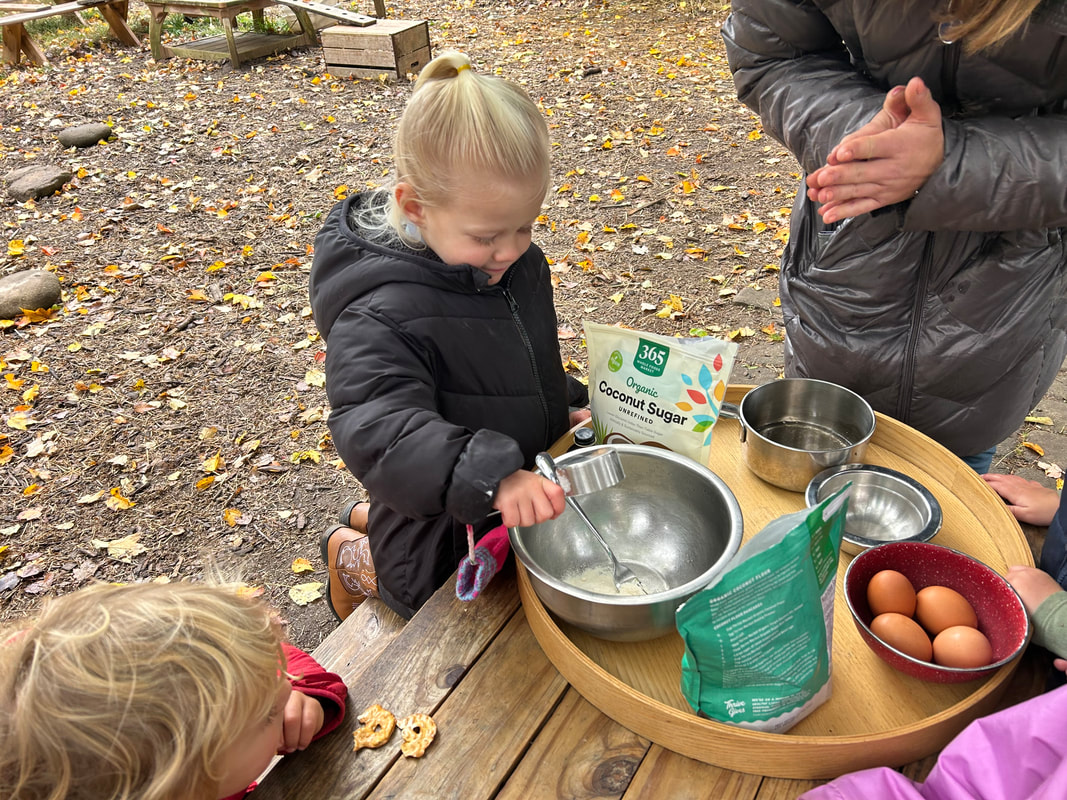
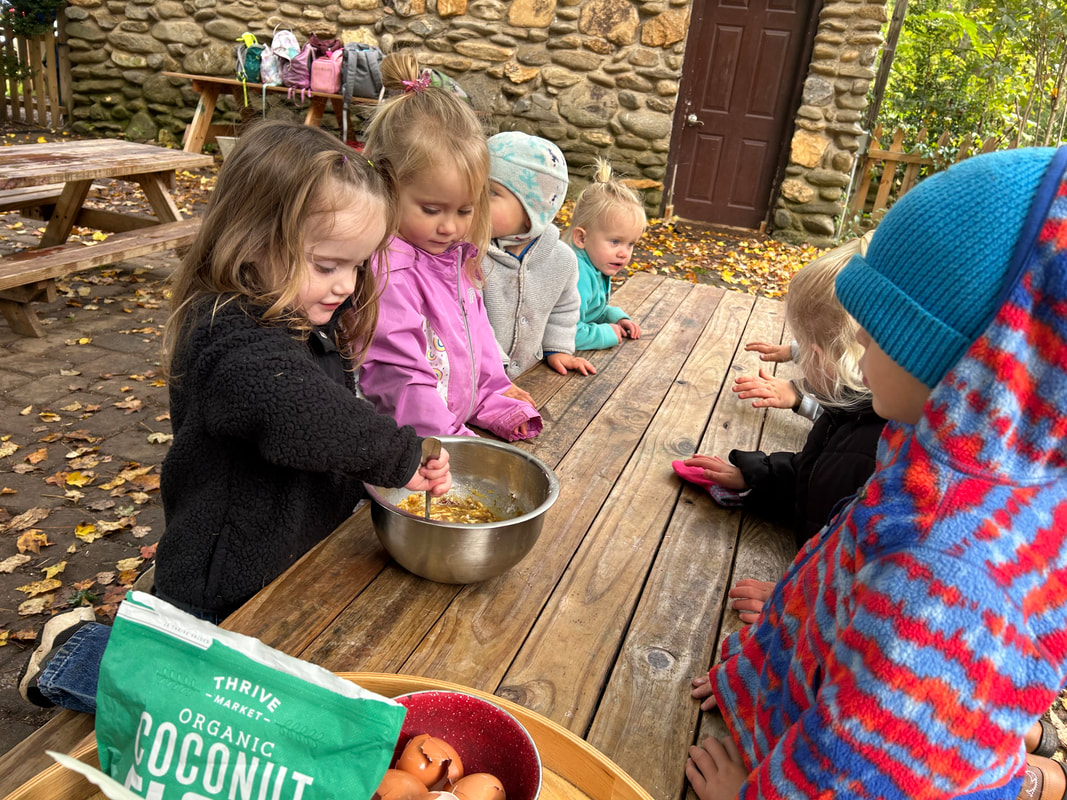
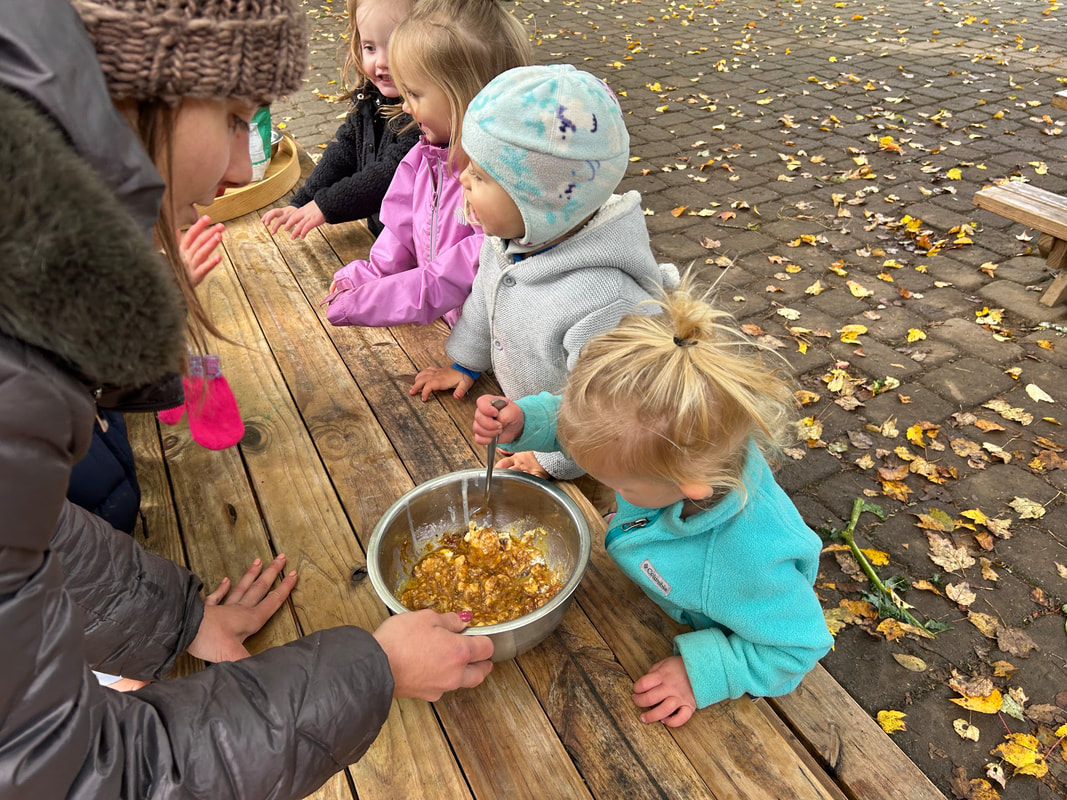
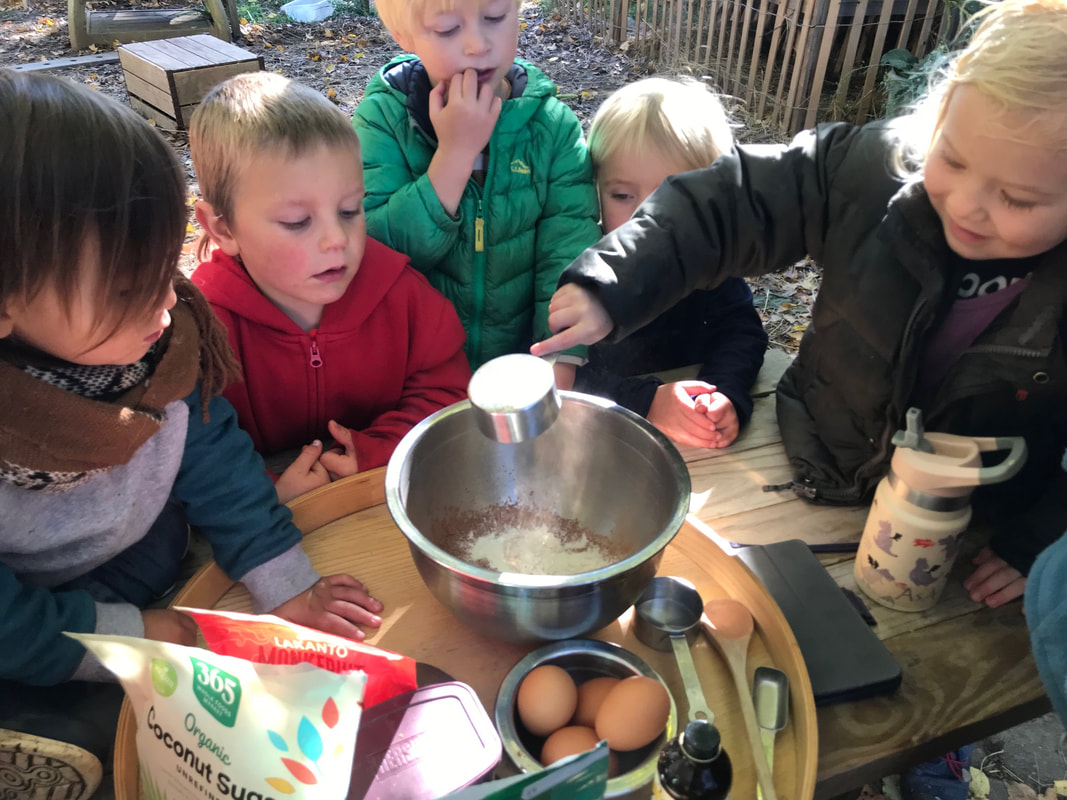
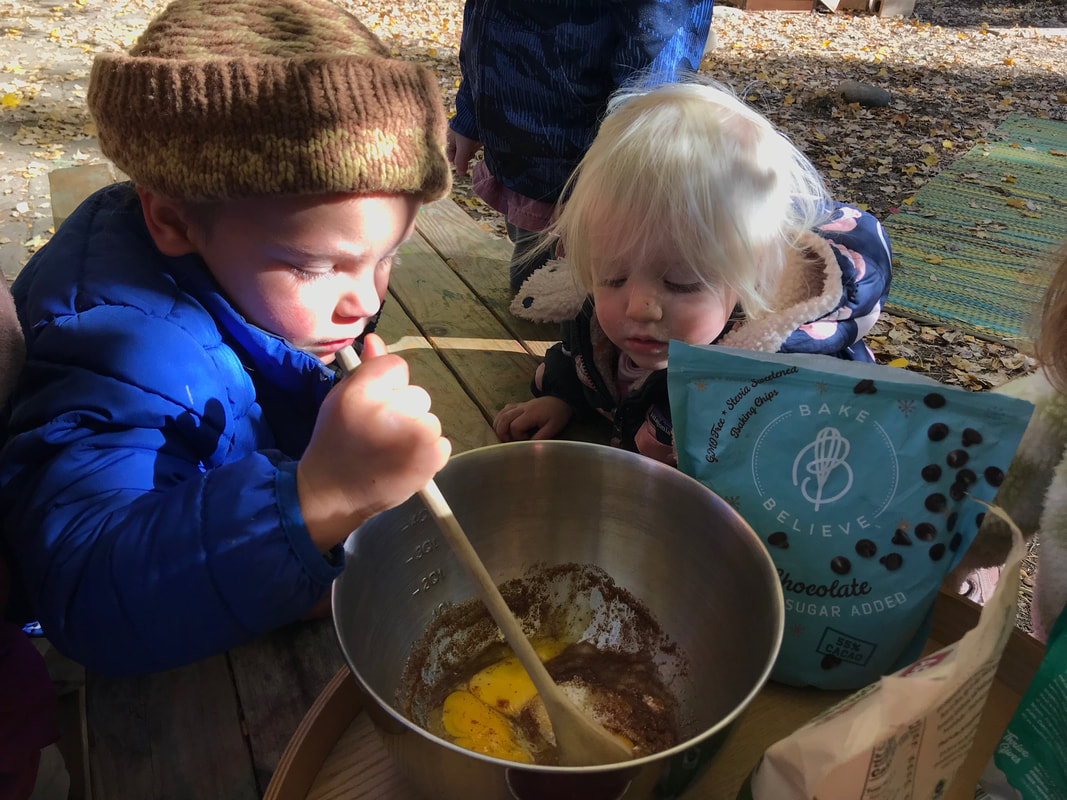
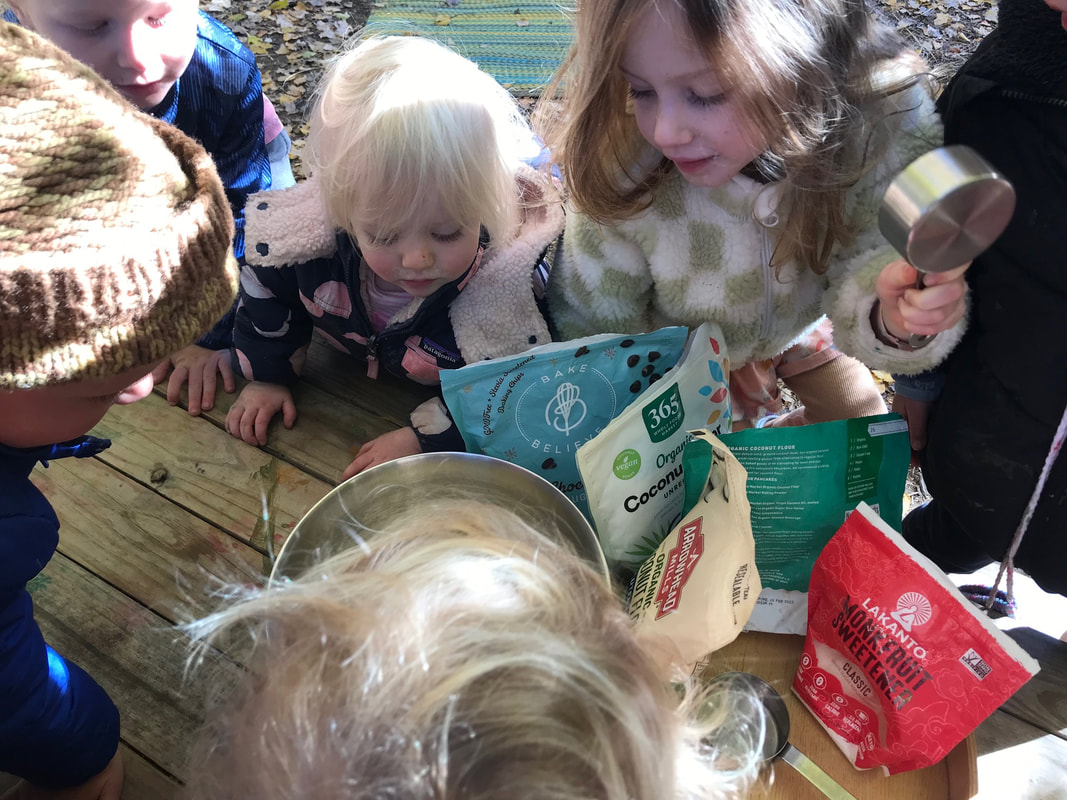
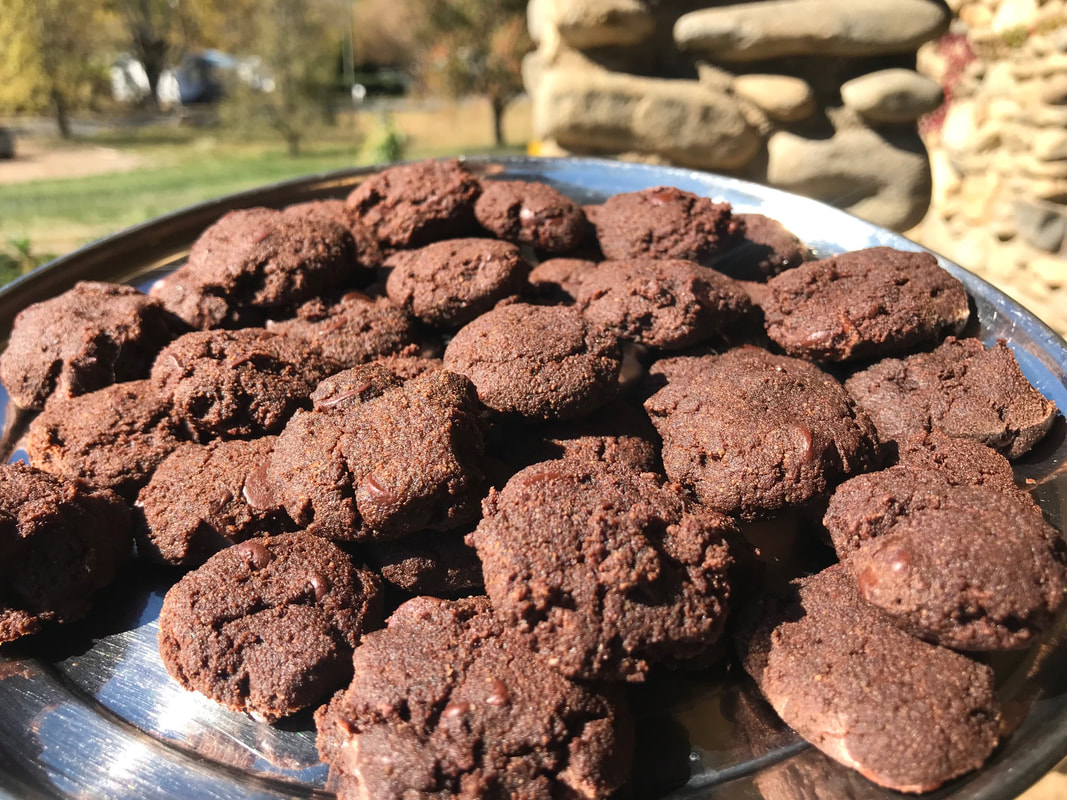
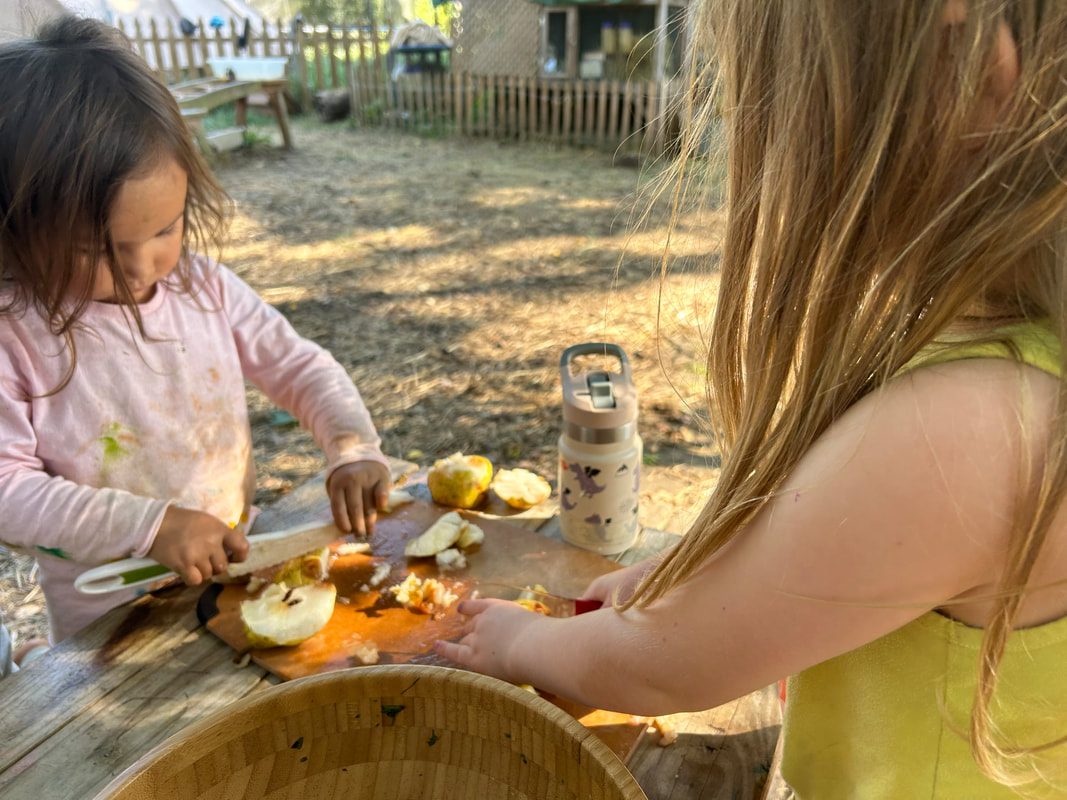
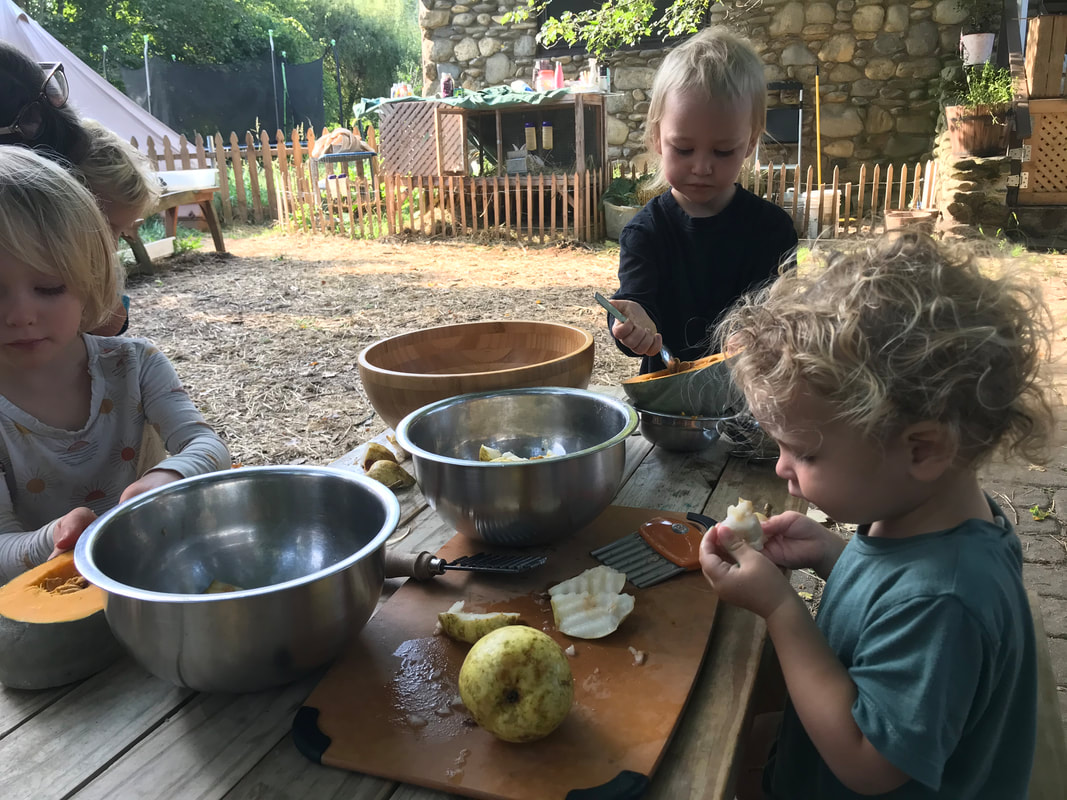
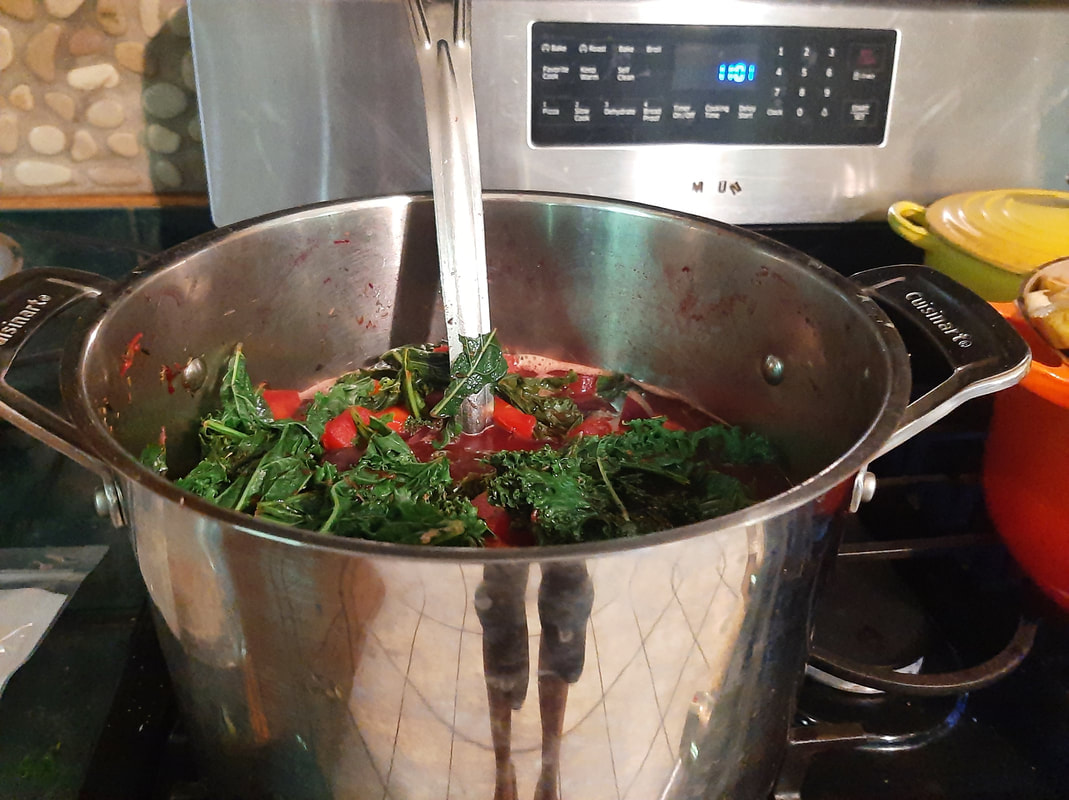
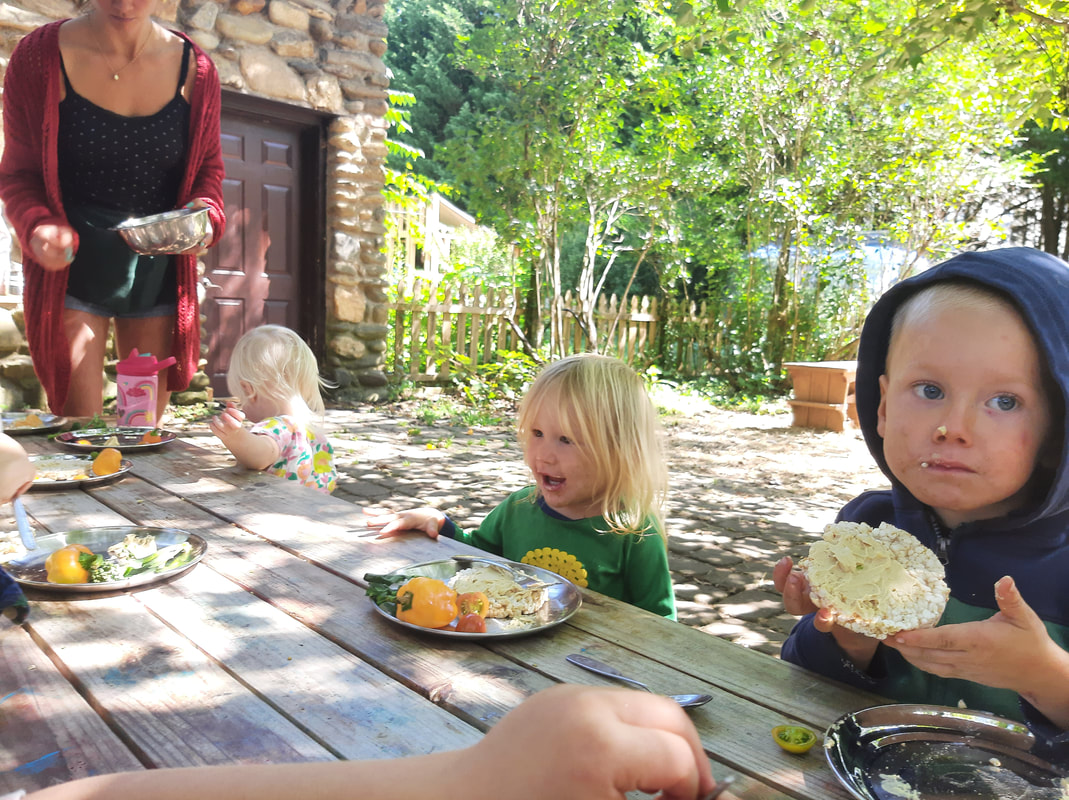
It's always exciting when it's your turn to be a lunch bunch helper and you get to help prepare lunch!


Blueberry Mooncakes
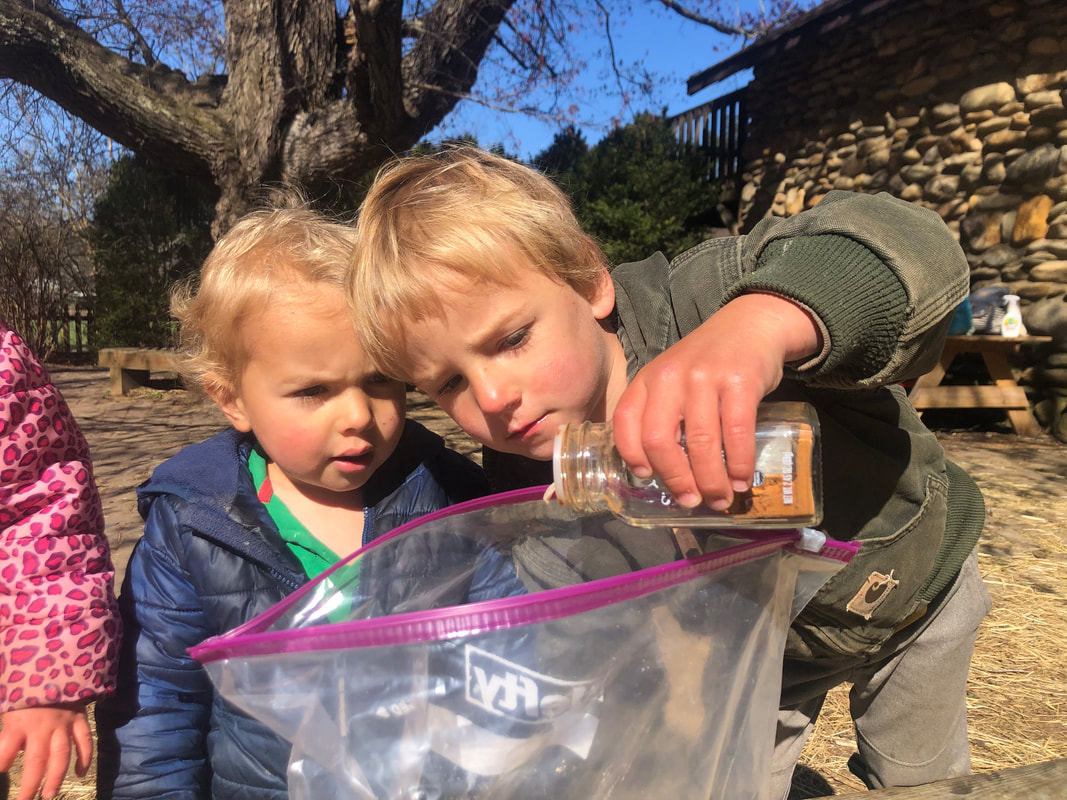
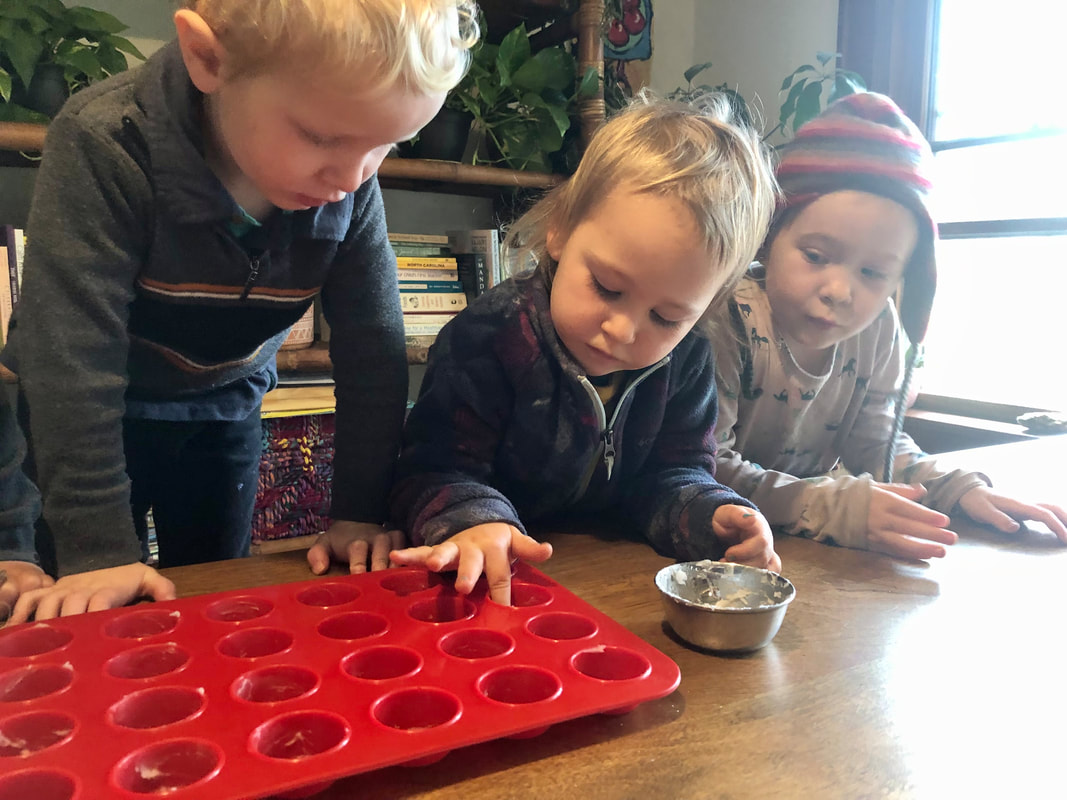
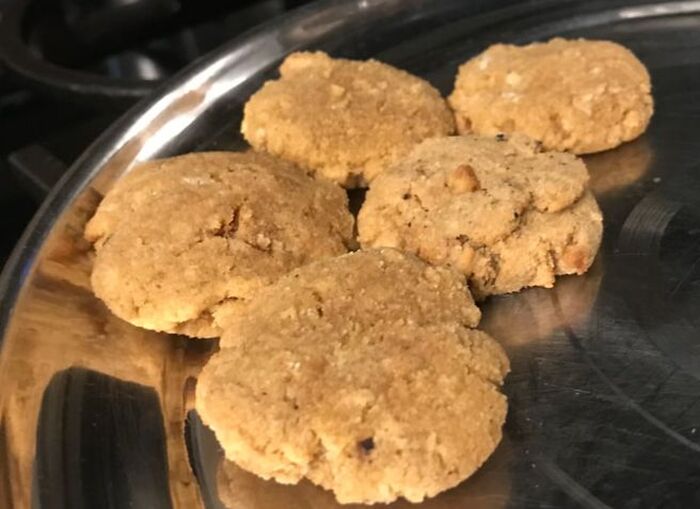
The kids loved making these mooncakes with blueberries for the craters in the moon!
Recipe
Mix together wet and dry ingredients then combine and fold in blueberries. Scoop tablespoons of batter mixture onto parchment paper covered cookie sheet and bake at 375 for 15 minutes.
Recipe
- 2 cups simple mills nut and seed flour
- 2 teaspoons baking powder
- ¼ teaspoon salt
- ½ teaspoon ground cinnamon
- ½ cup (1 stick) salted butter, softened
- 2 large eggs, room temperature
- 2 teaspoons vanilla extract
- ½ cup almond milk
- 1 heaping cup blueberries
Mix together wet and dry ingredients then combine and fold in blueberries. Scoop tablespoons of batter mixture onto parchment paper covered cookie sheet and bake at 375 for 15 minutes.


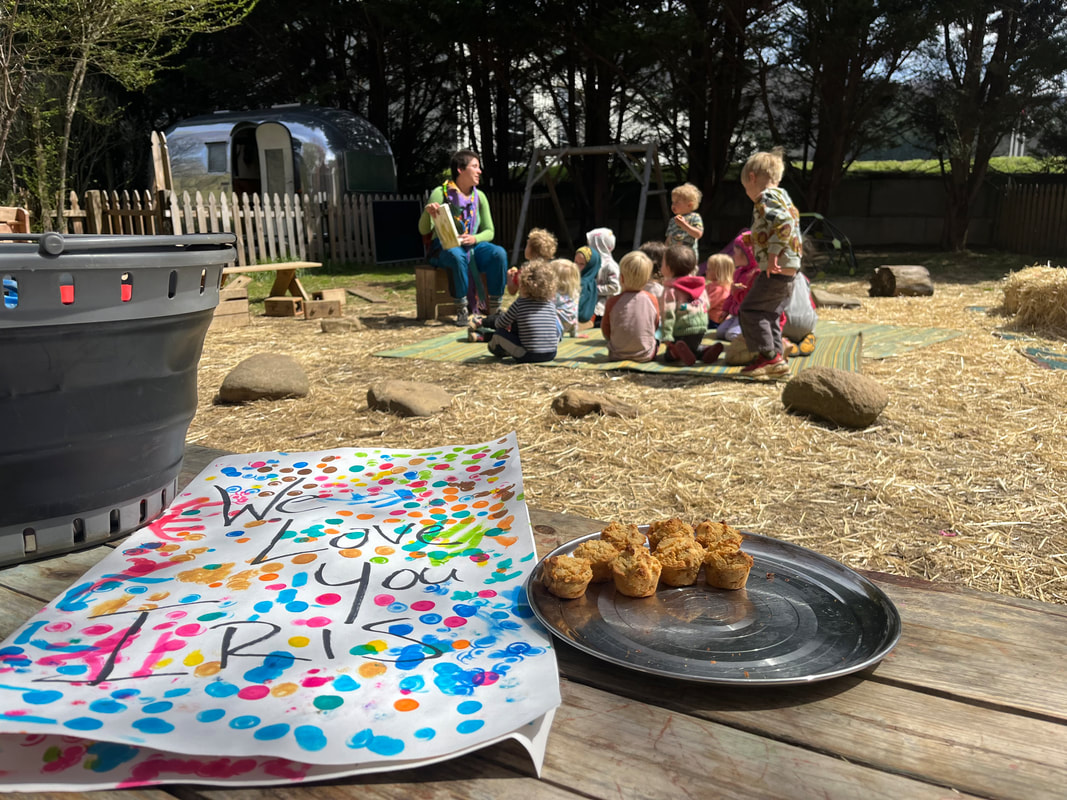
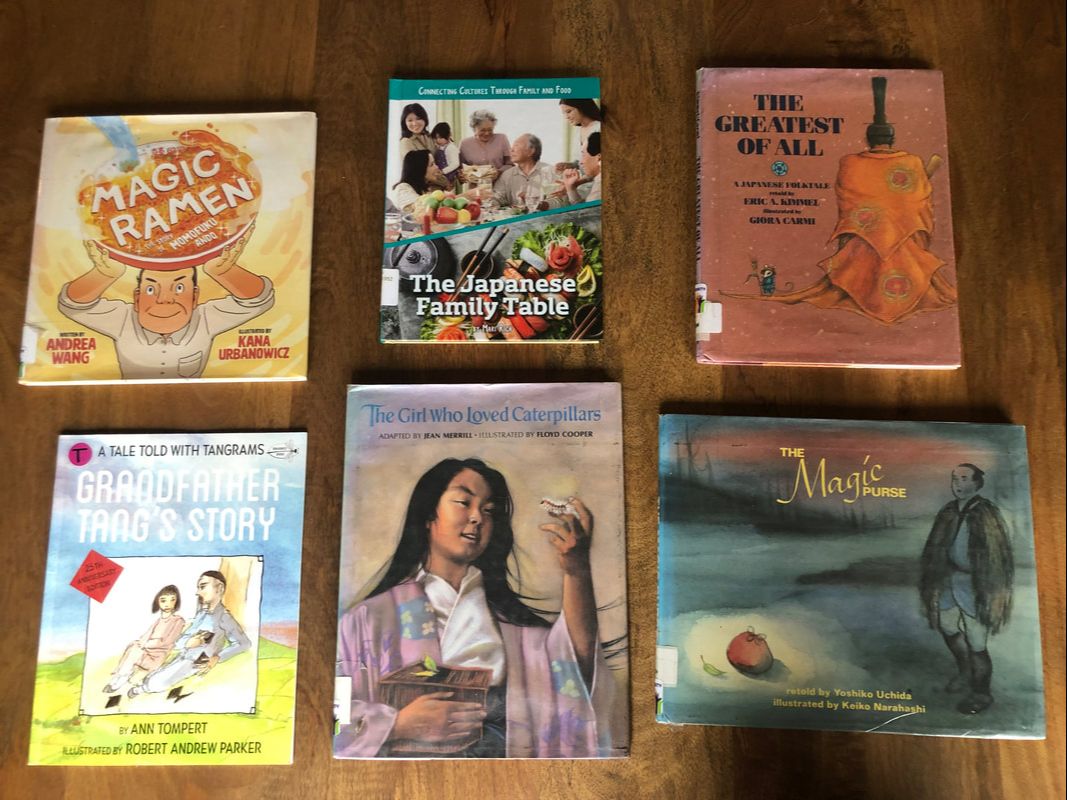
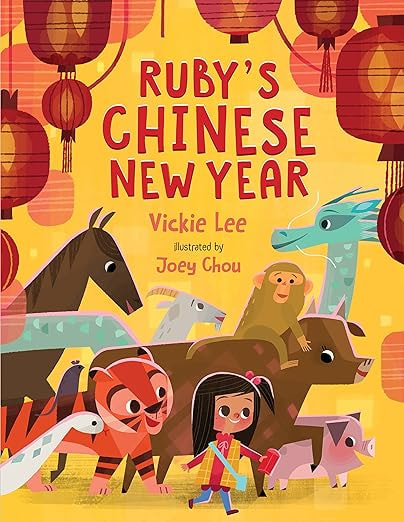
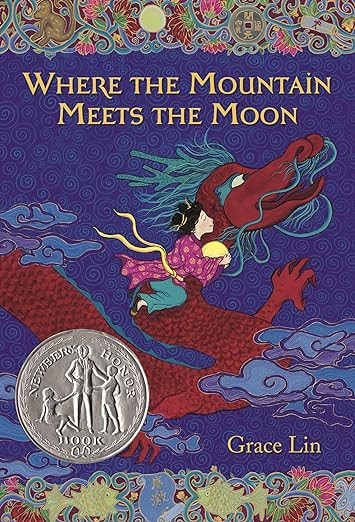
We enjoyed snacking on them while we read one of our favorite Grace Lin books.

Squeals of Delight
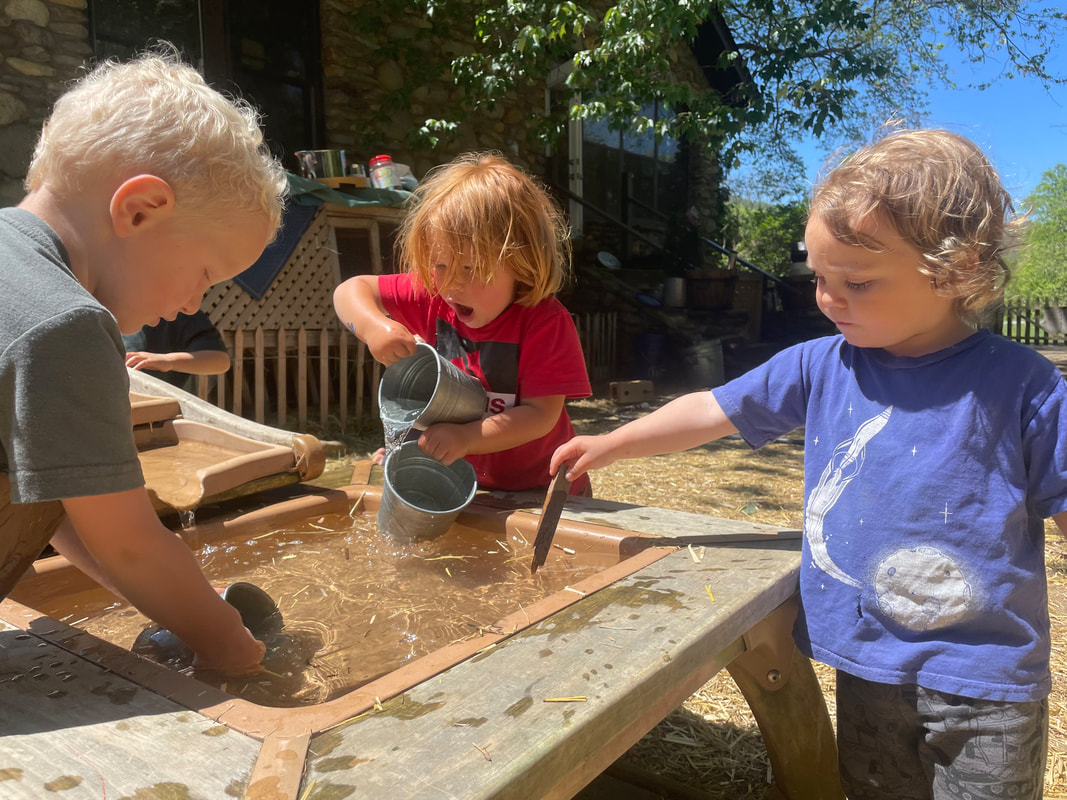
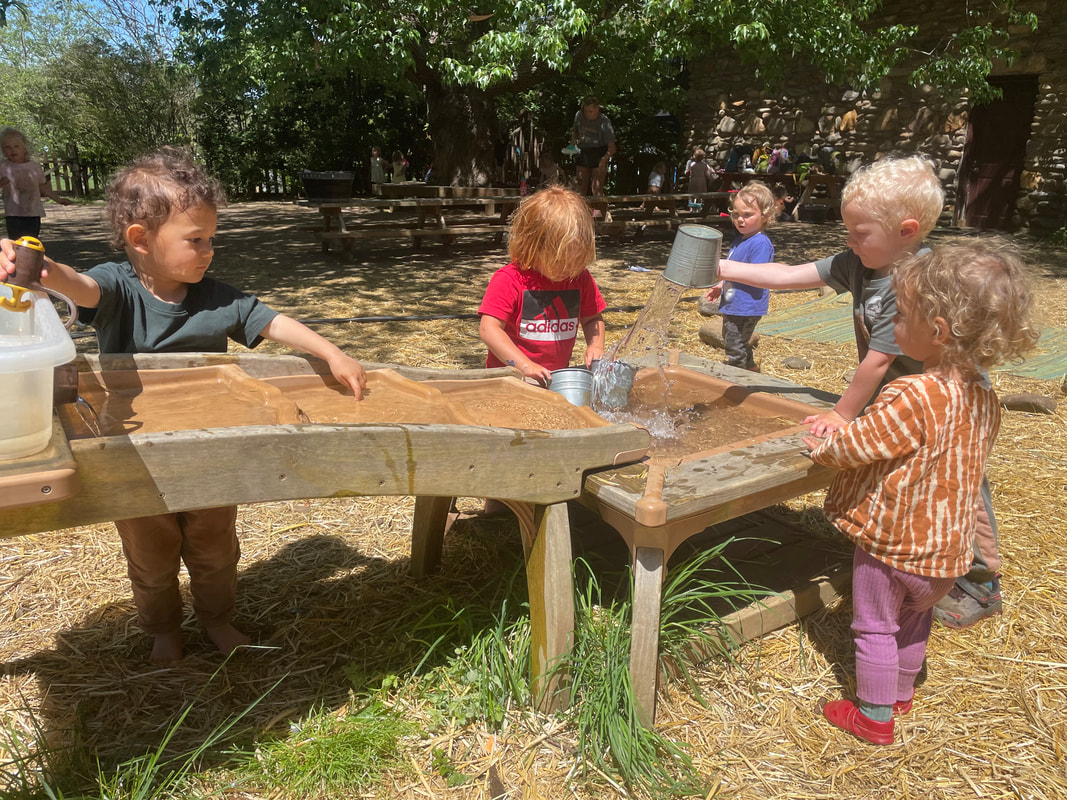
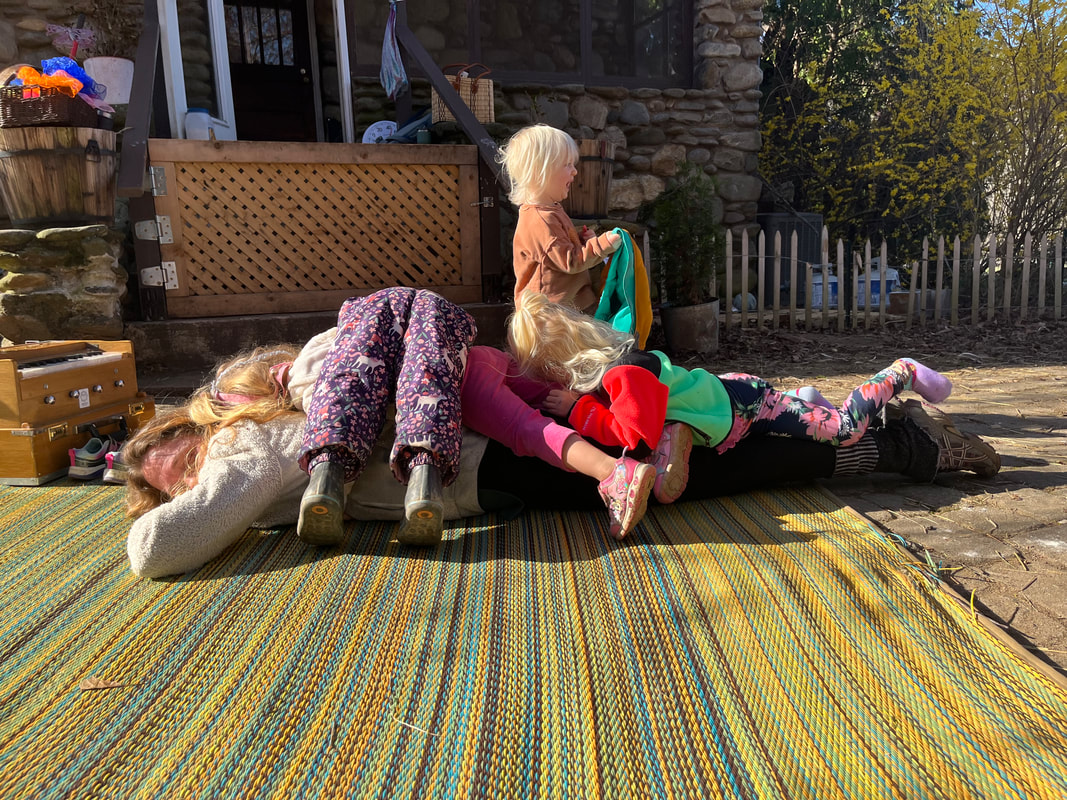
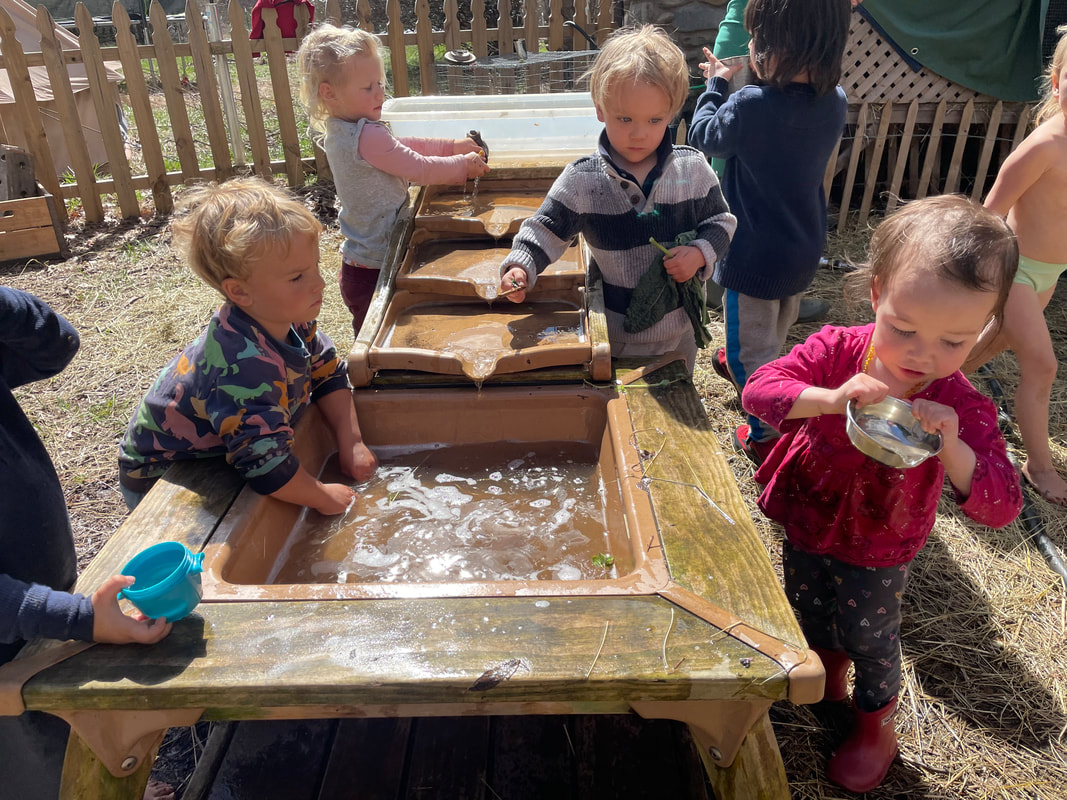
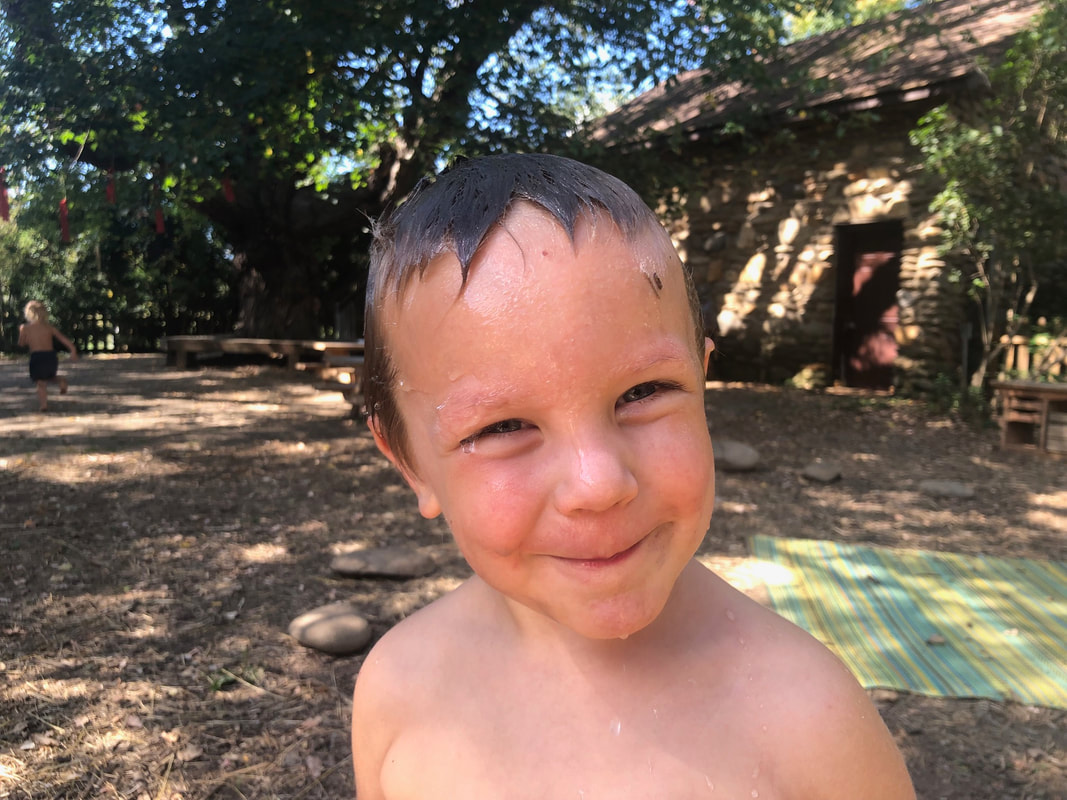
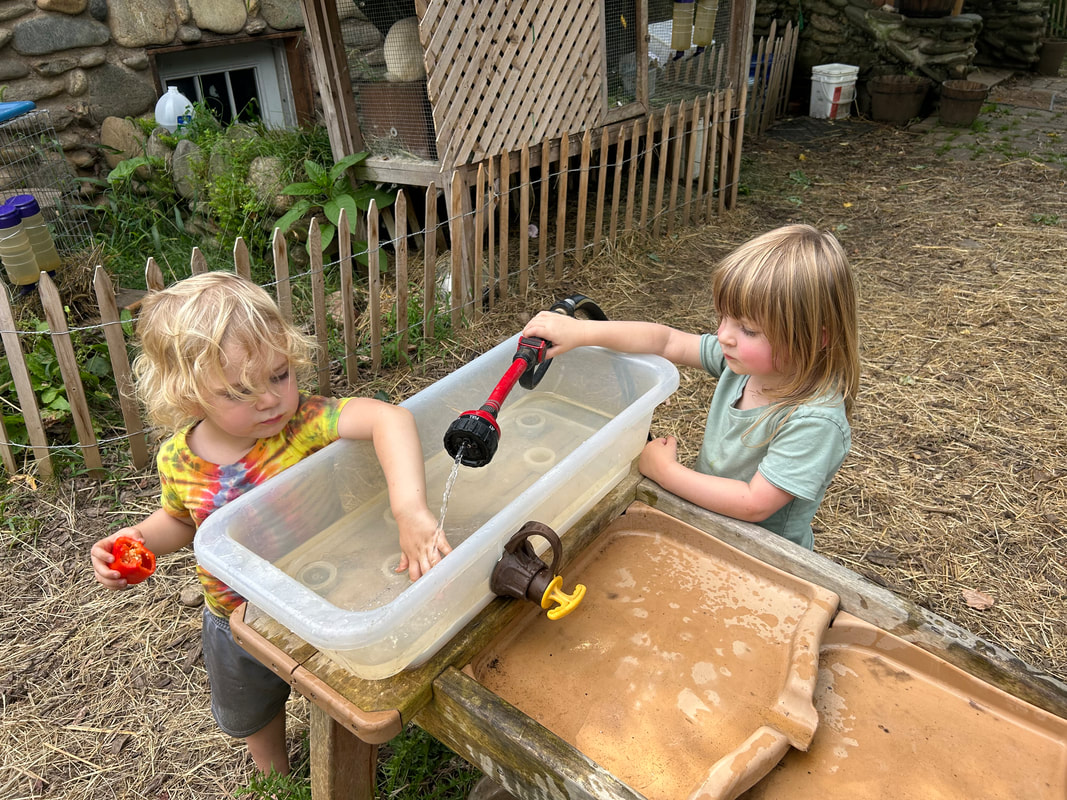
It's been hot and sunny and we have taken full advantage of this environment for some delightful water play. Nothing like the uncontrollable squeals of delight when the cold mountain water showers down.


Sharing with friends is fun. How many can we fit in a towel?


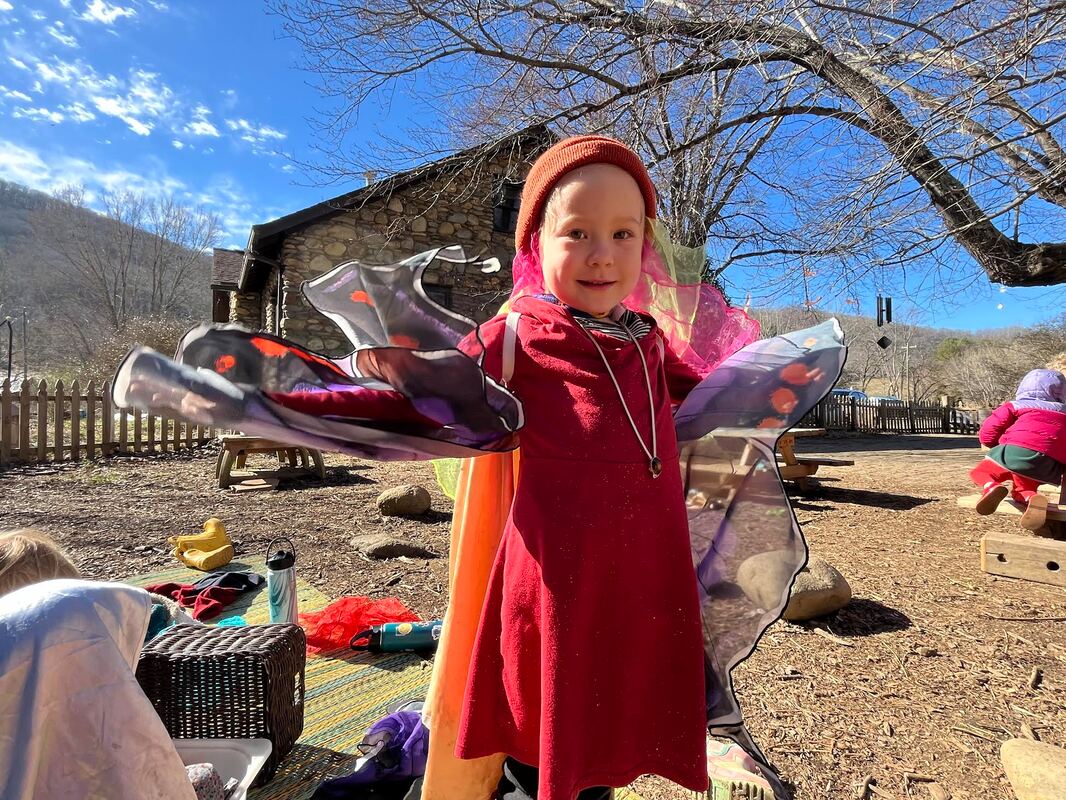
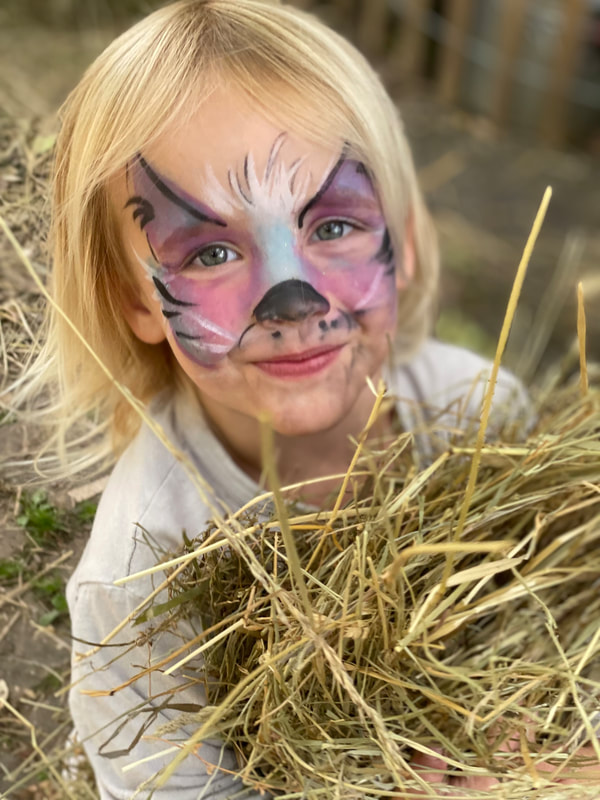
Beautiful Butterfly
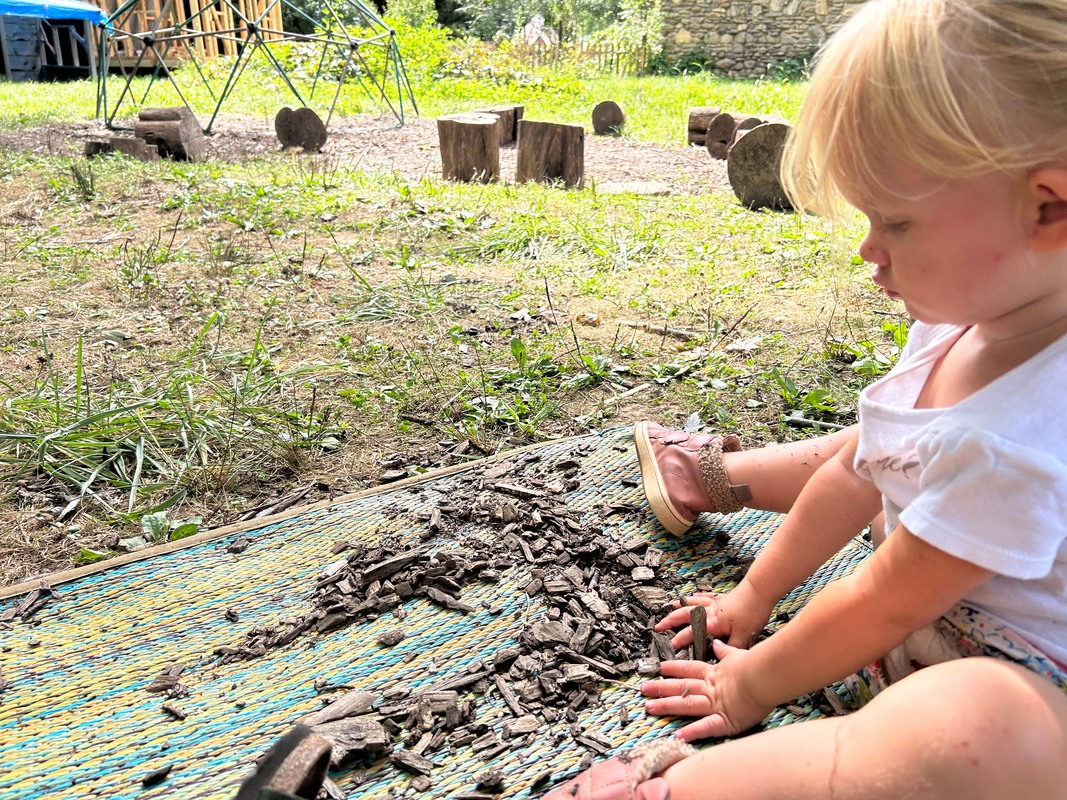
There is so much always showing up and changing when the classroom is the magical world of Mother Nature.


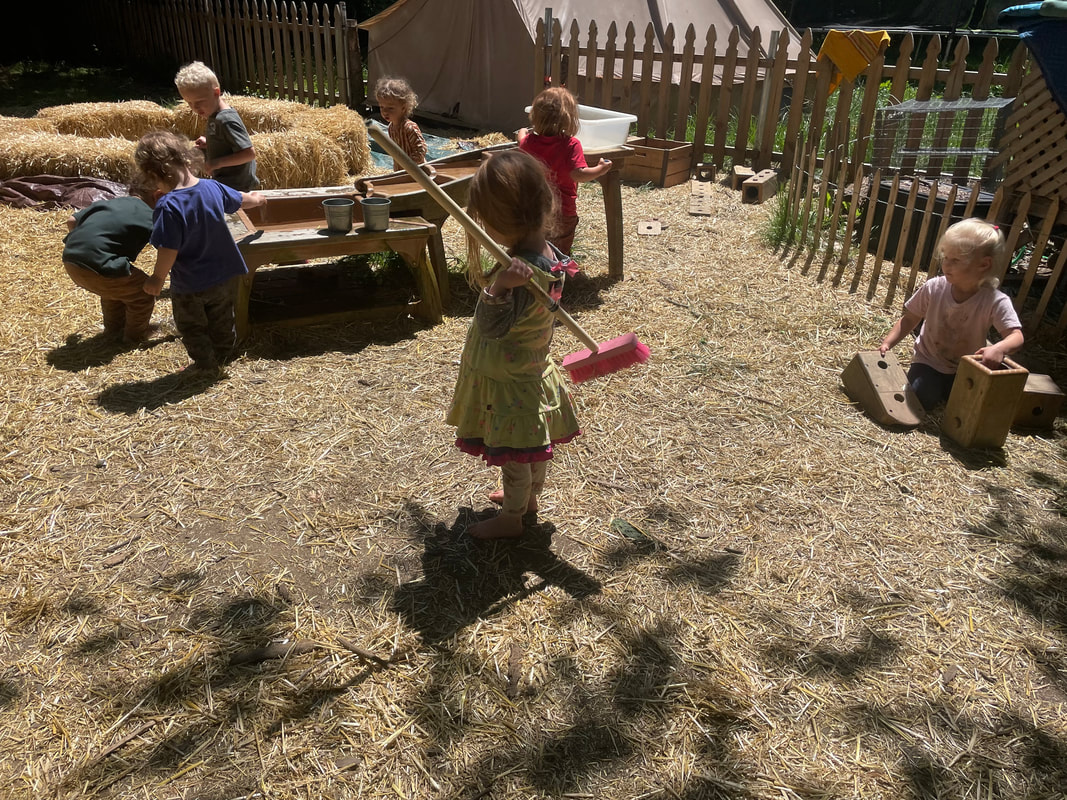
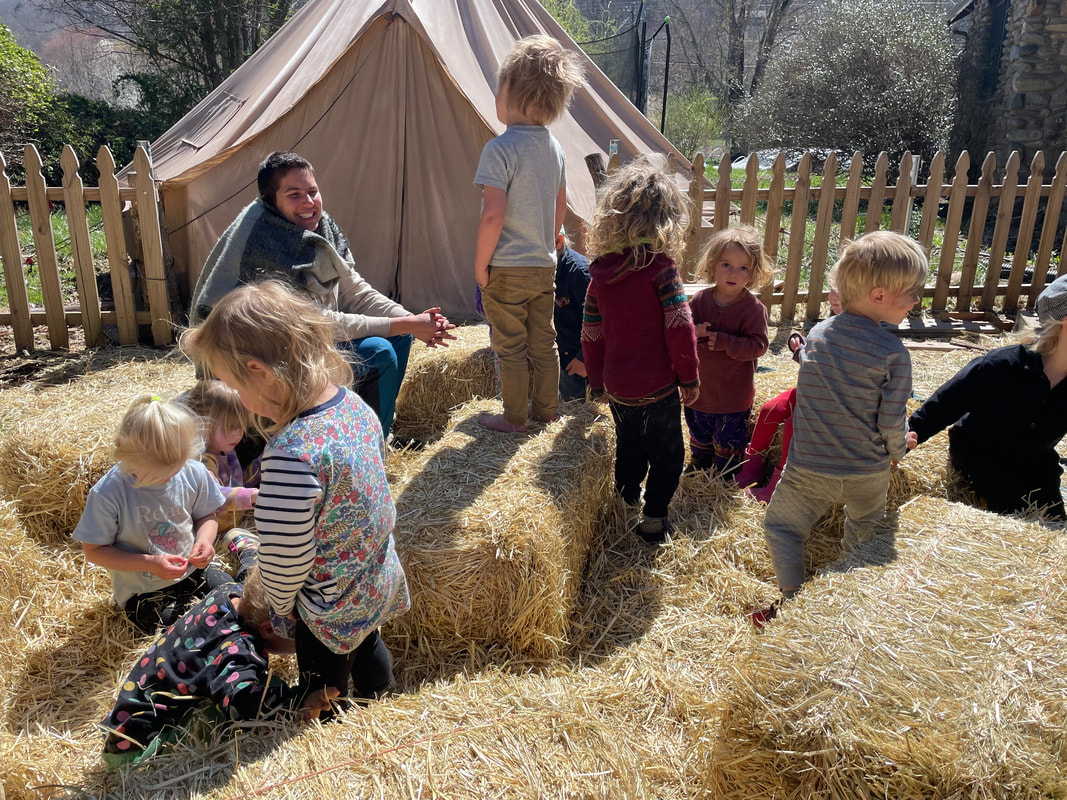
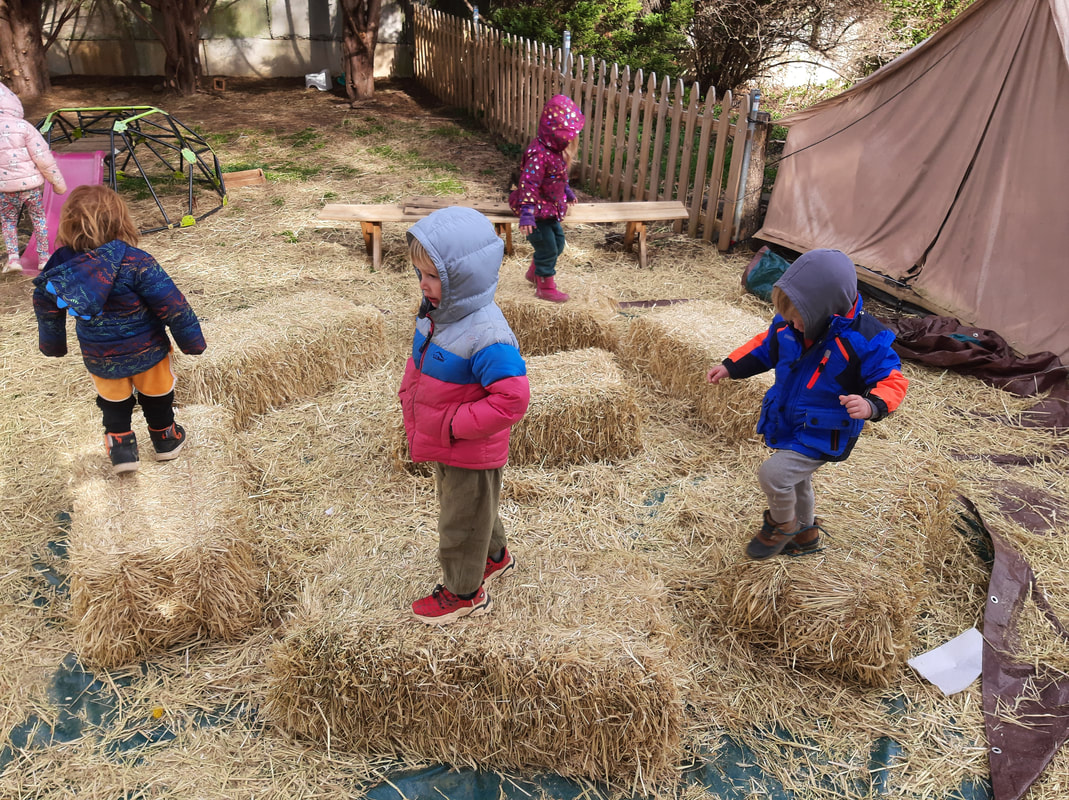
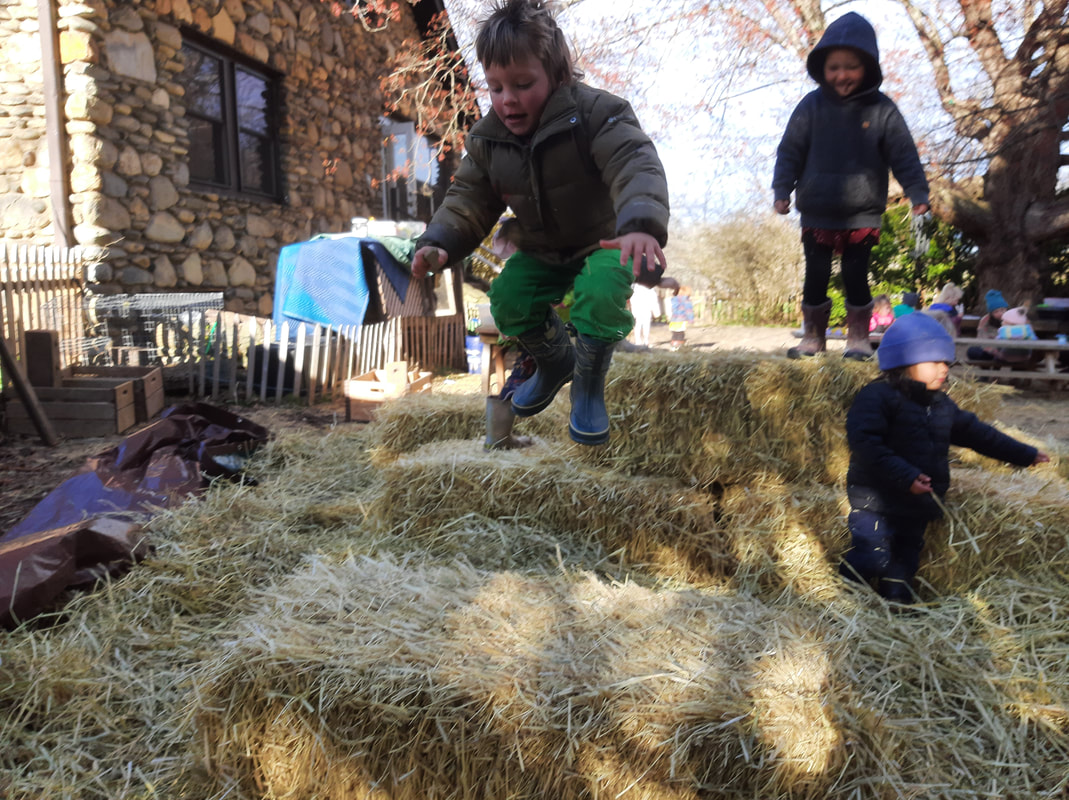
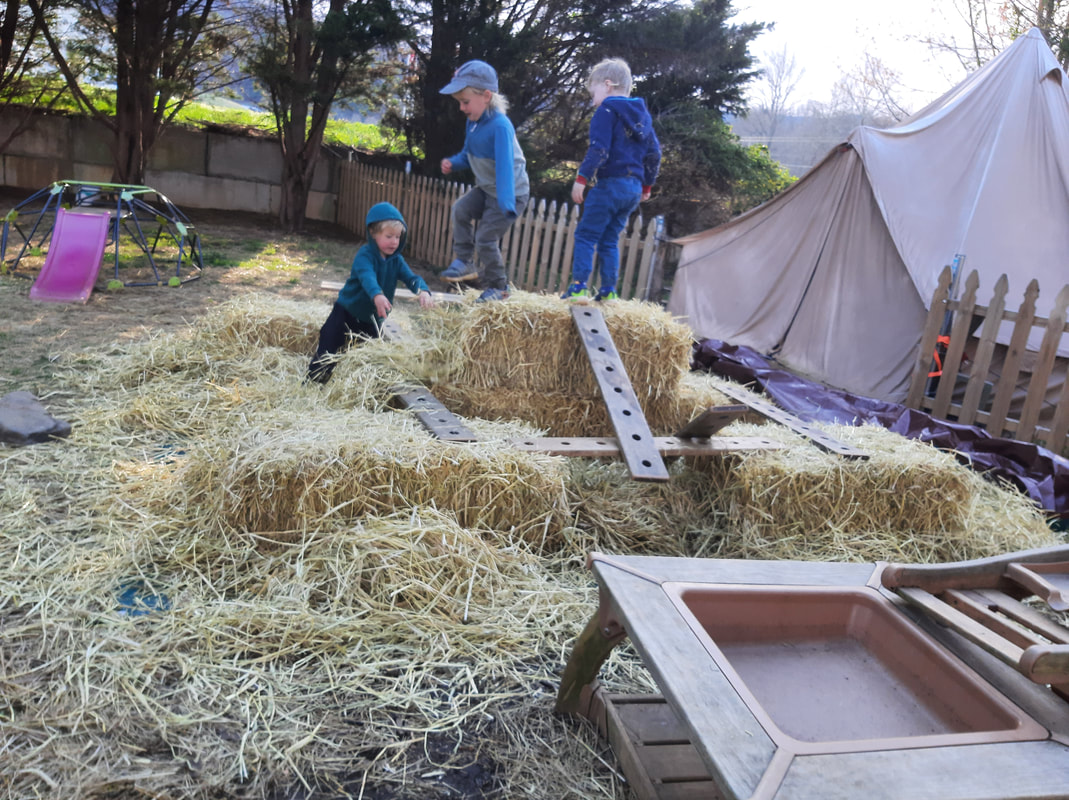
Fresh Haybales!


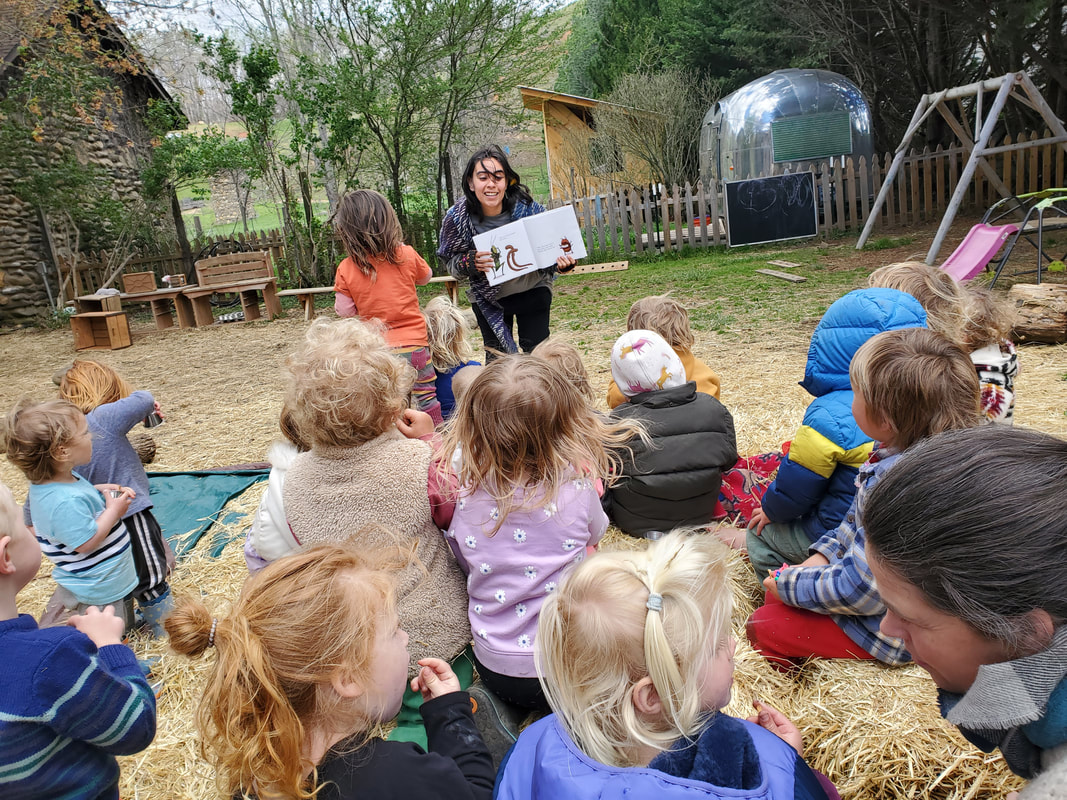
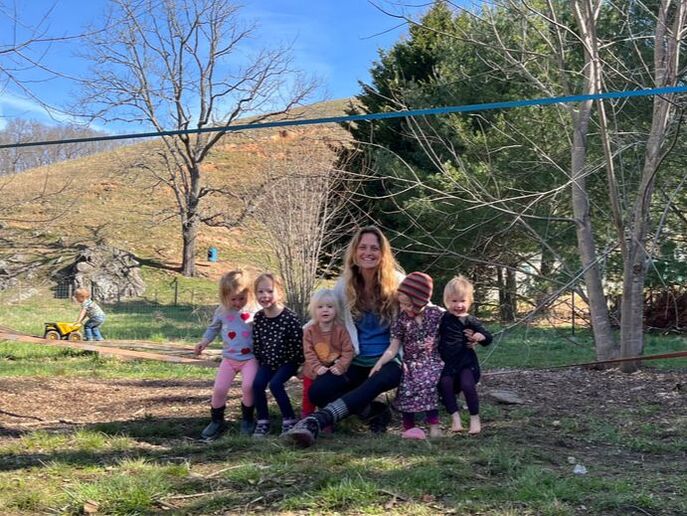
The More We Get Together... Together... Together...
Teacher Ashley is traveling for July and she will be back with us for the Fall!

Musical Math
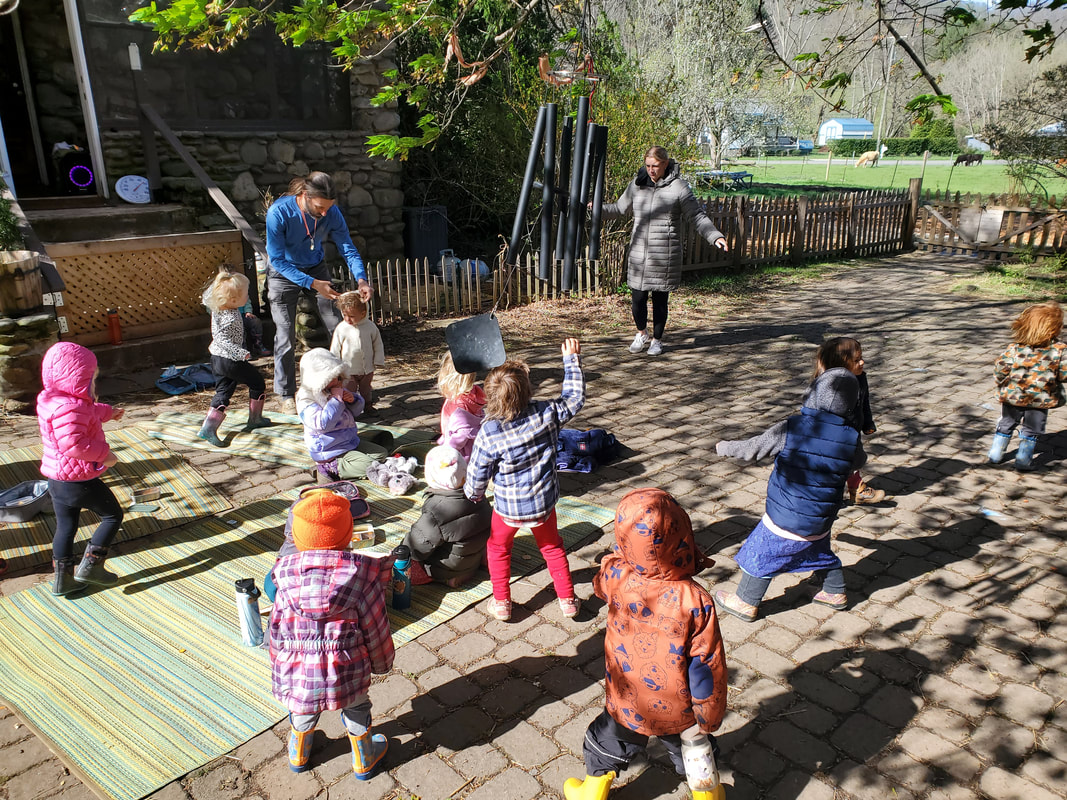
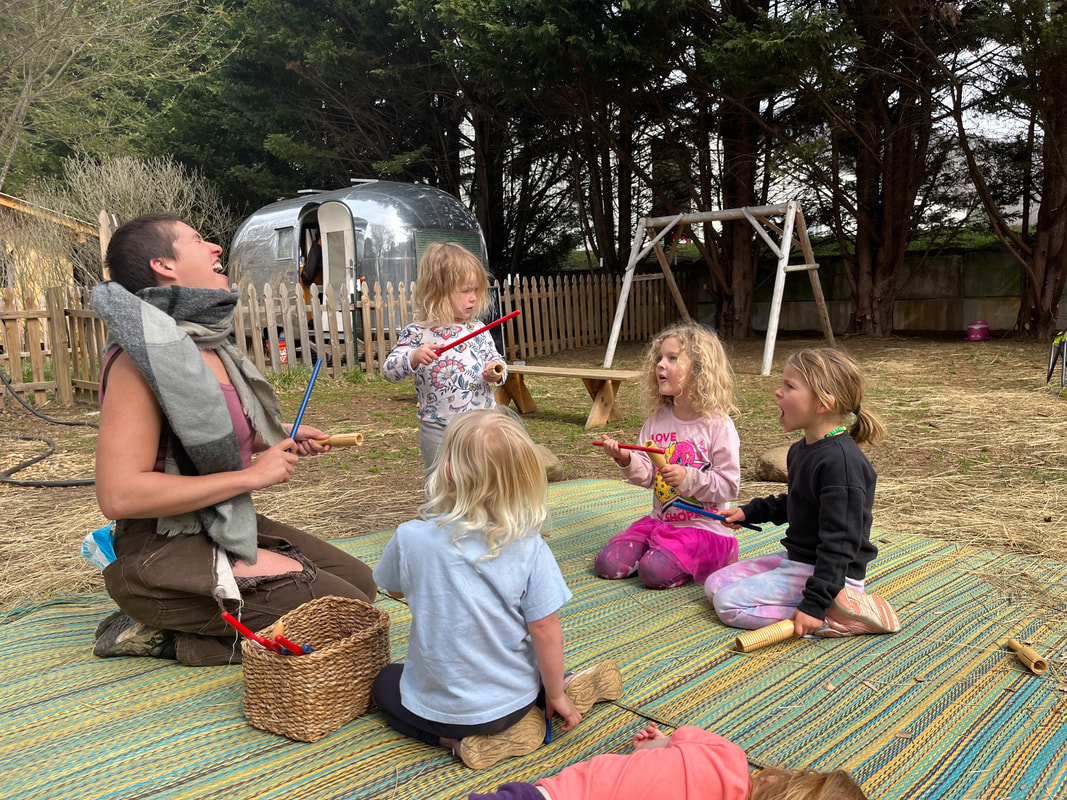
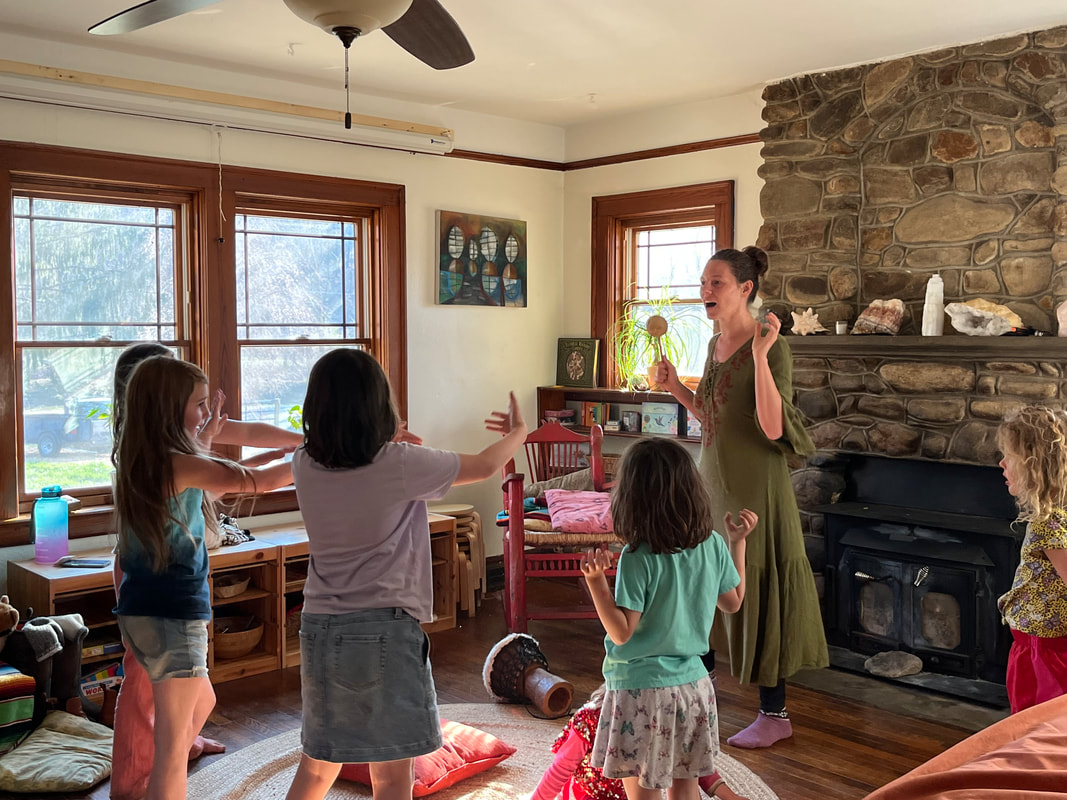
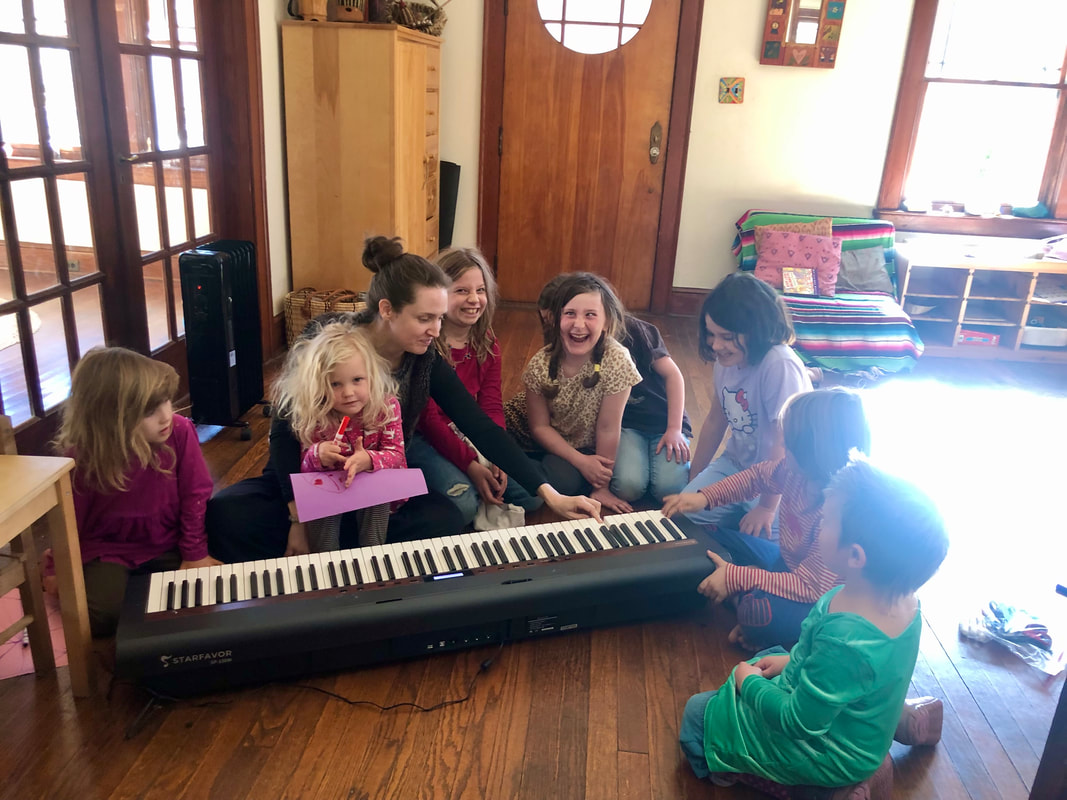
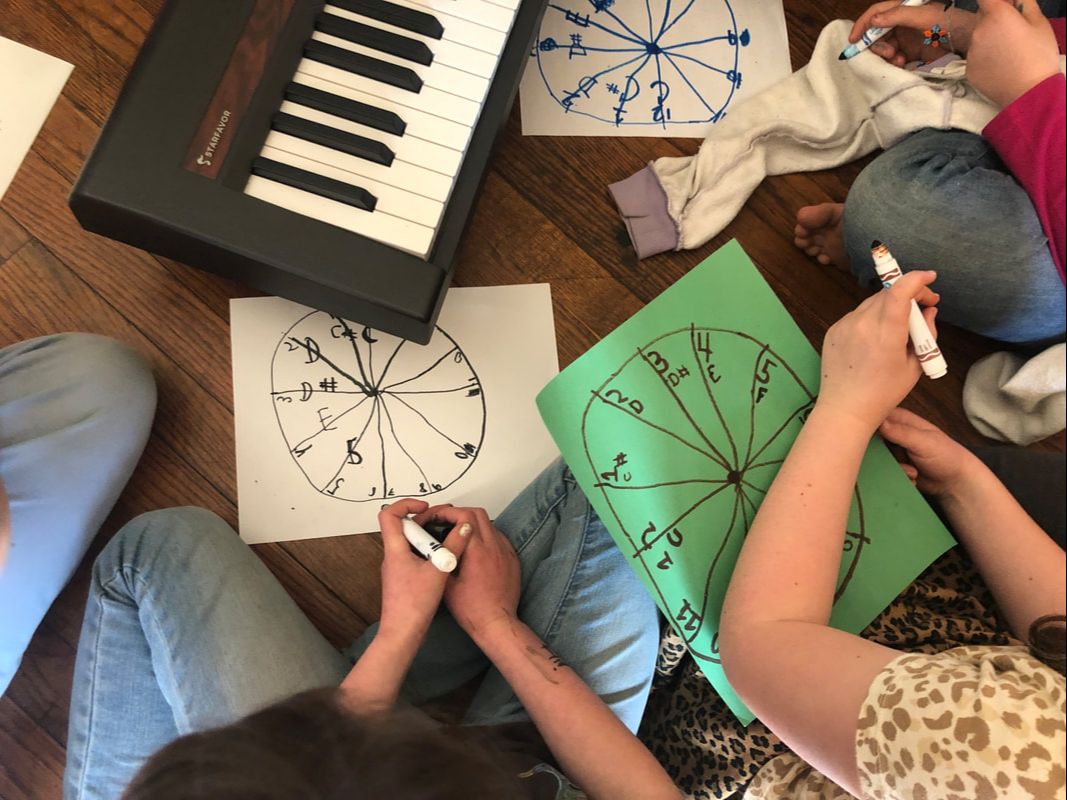
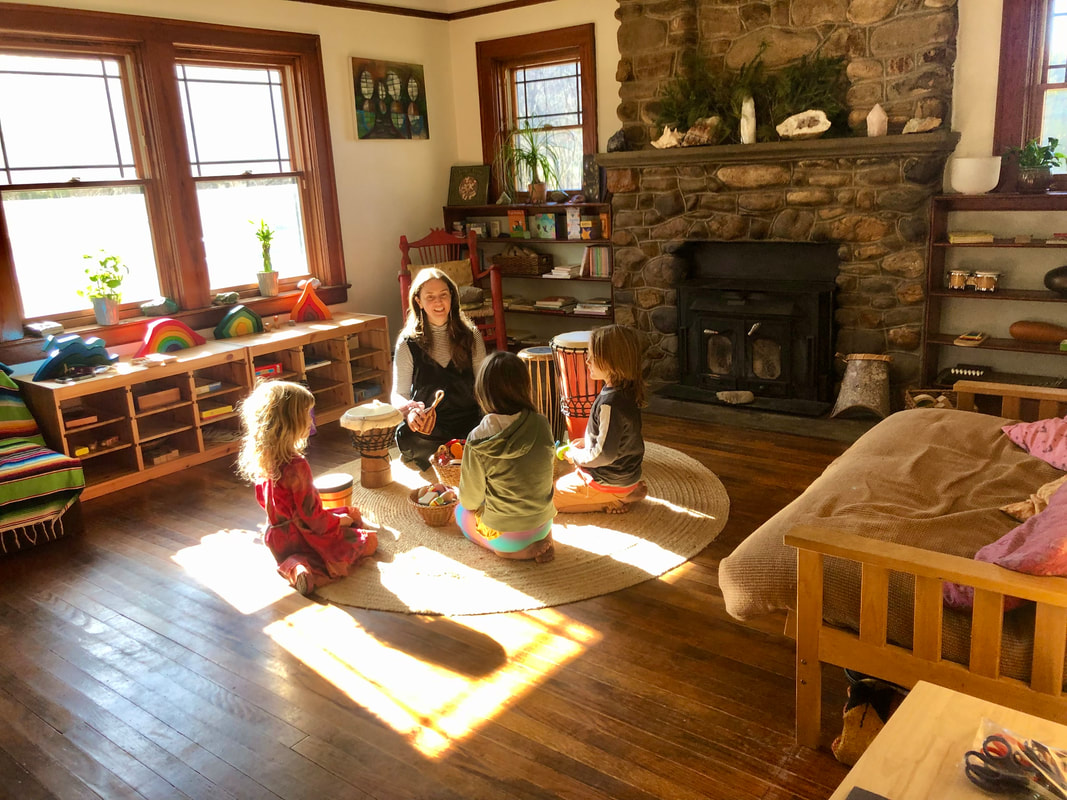
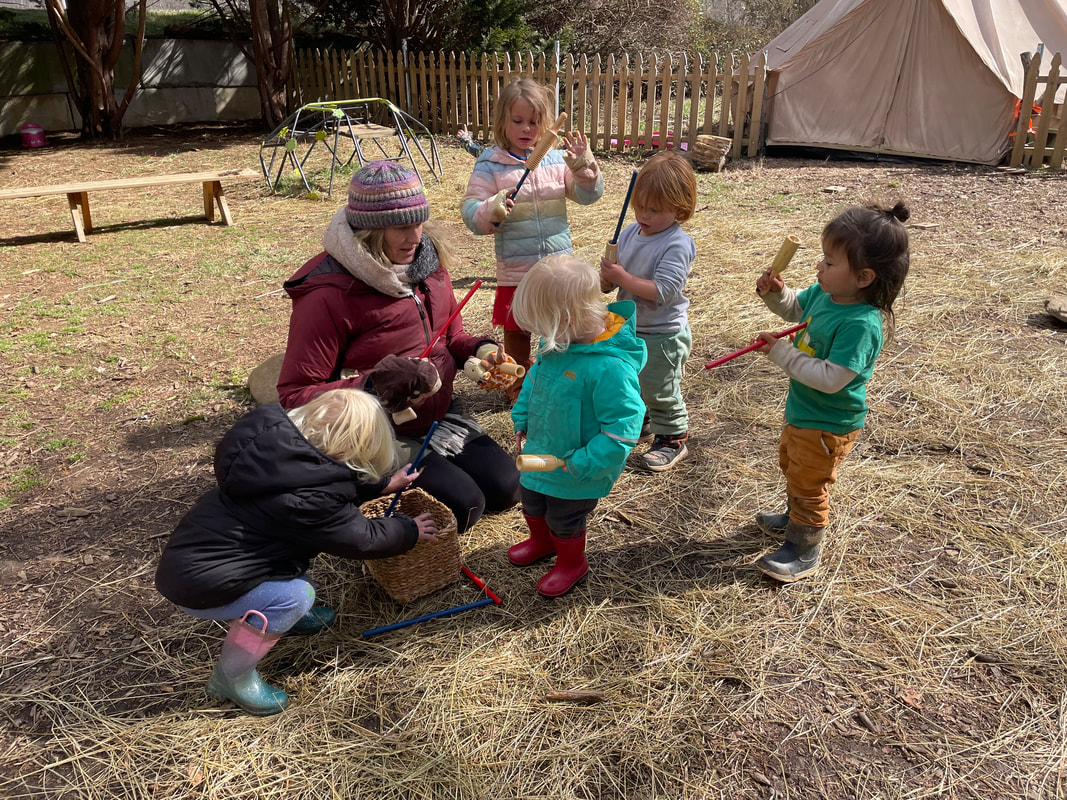
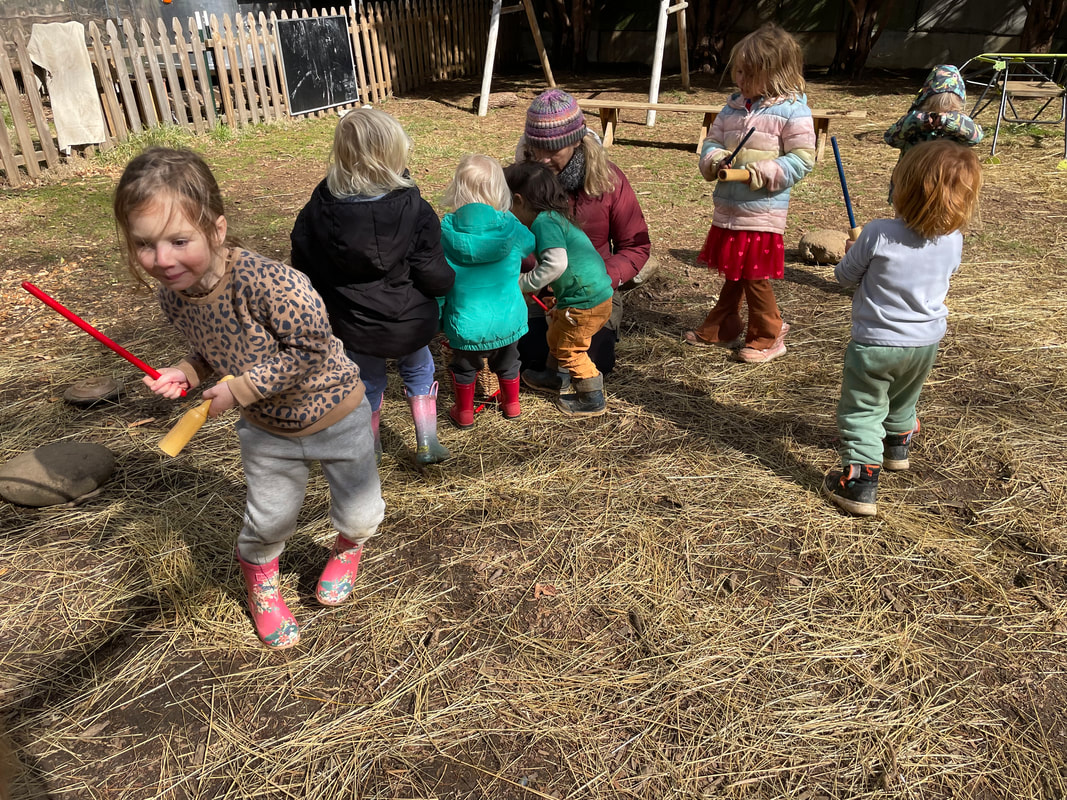
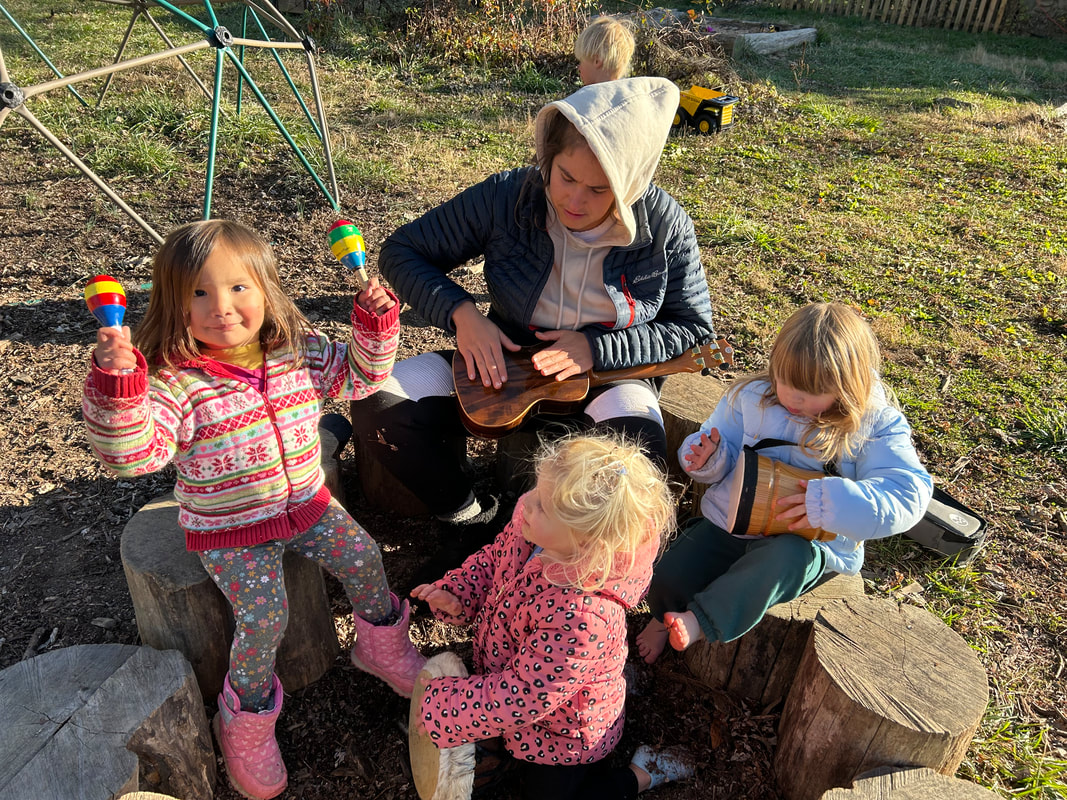
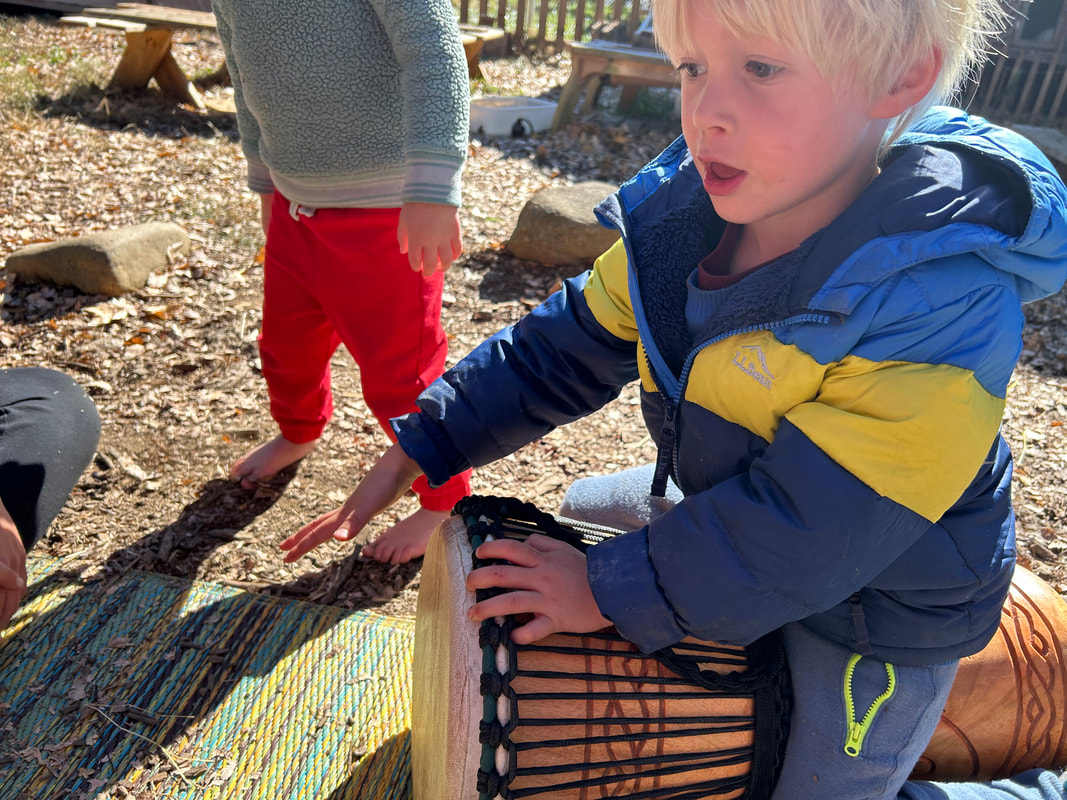
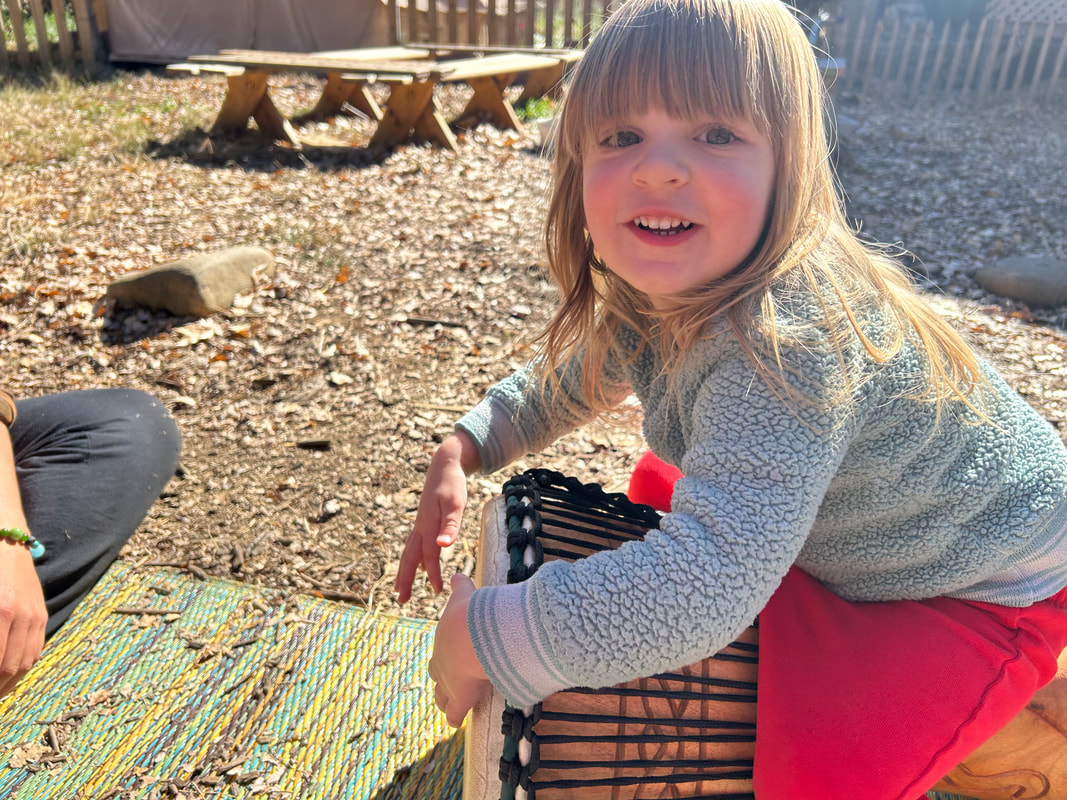
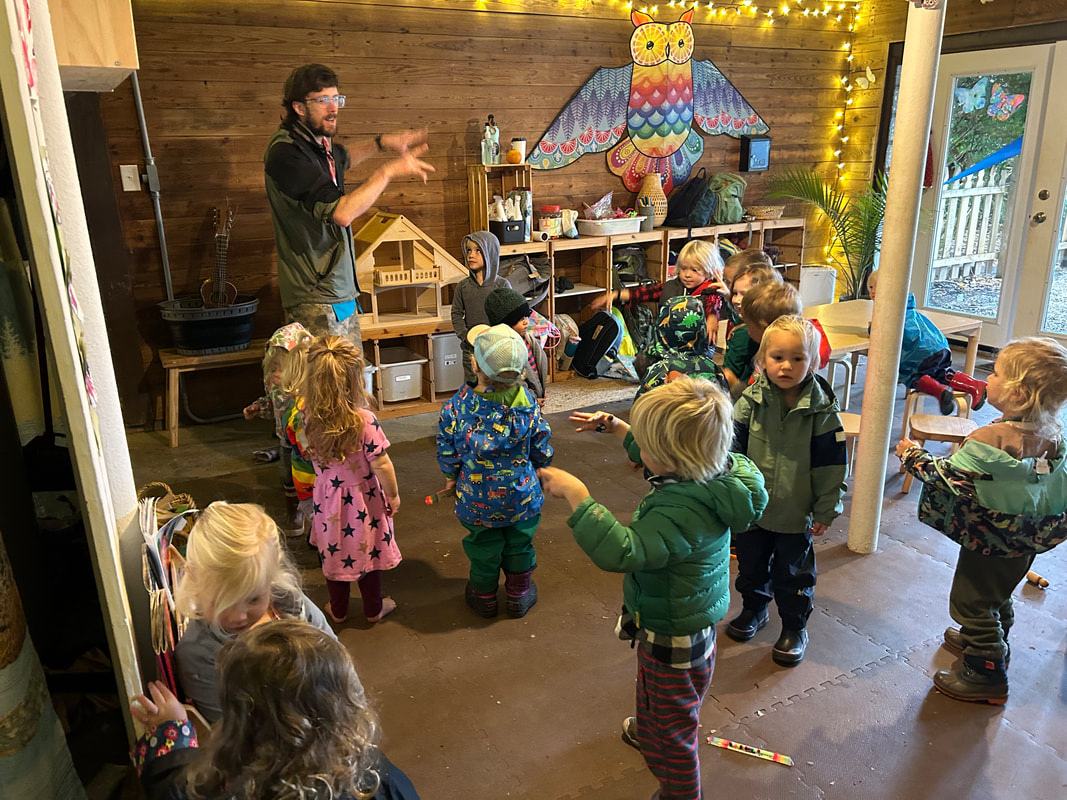
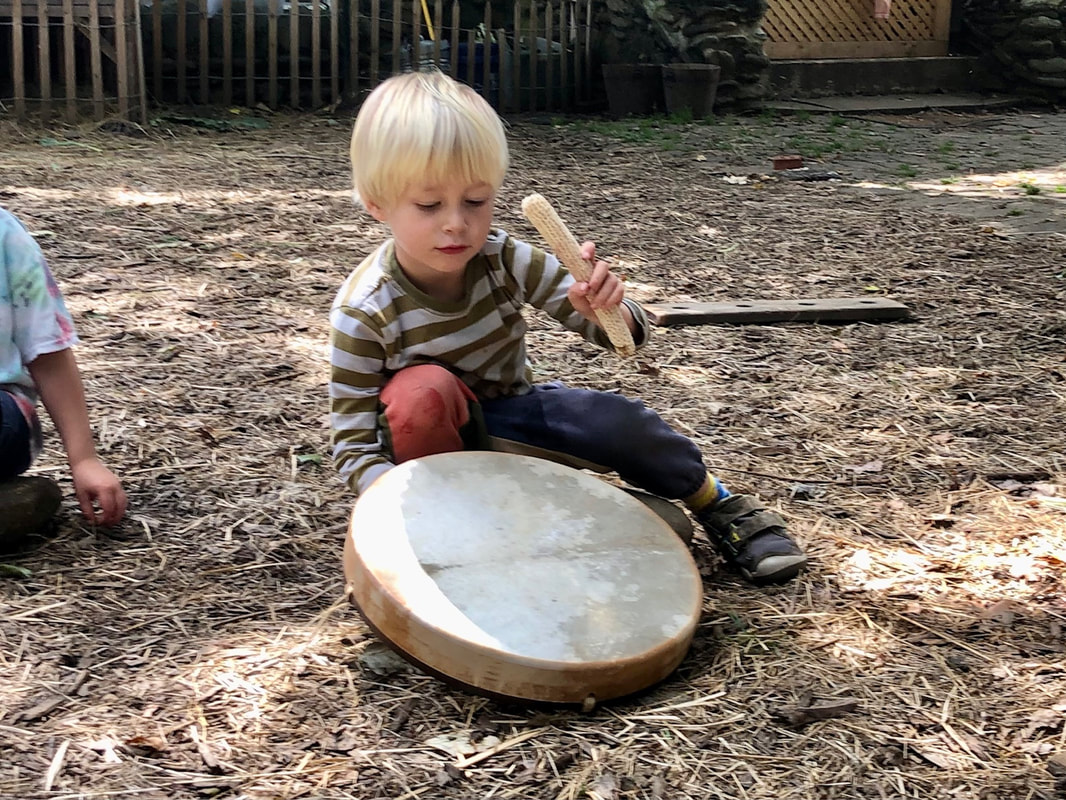
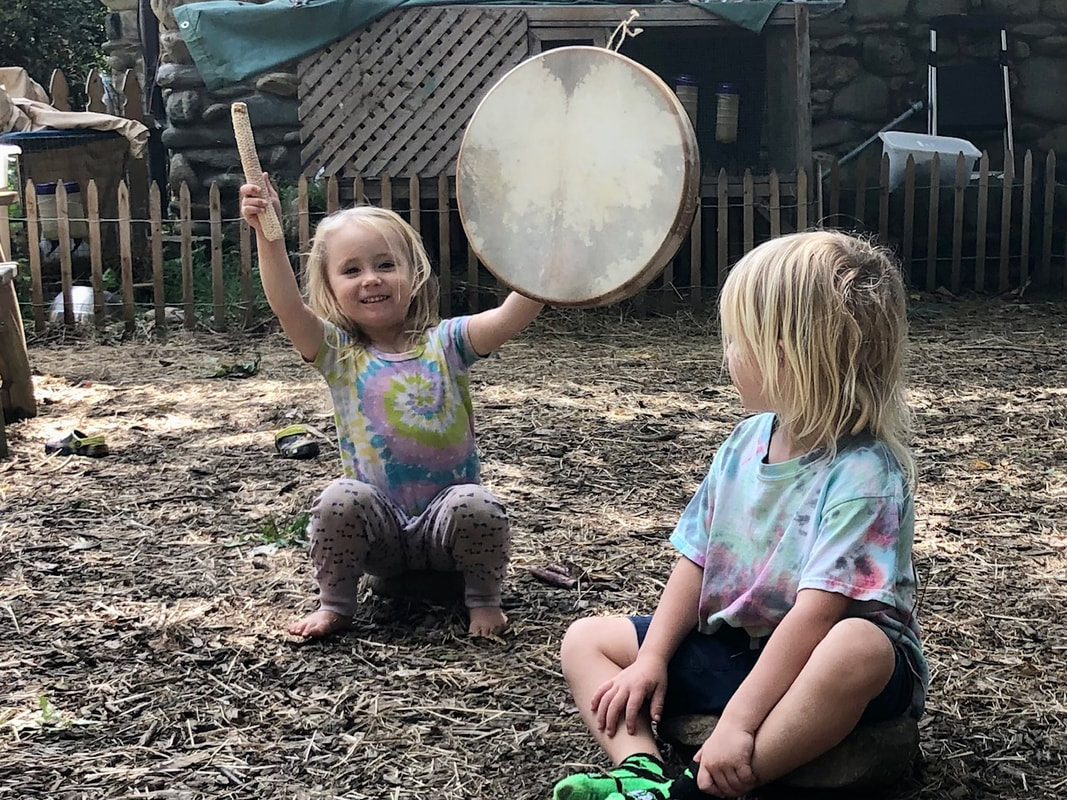
Music and movement fuels math early skills as we explore simple arithmetic while we have fun and create rhythm together.

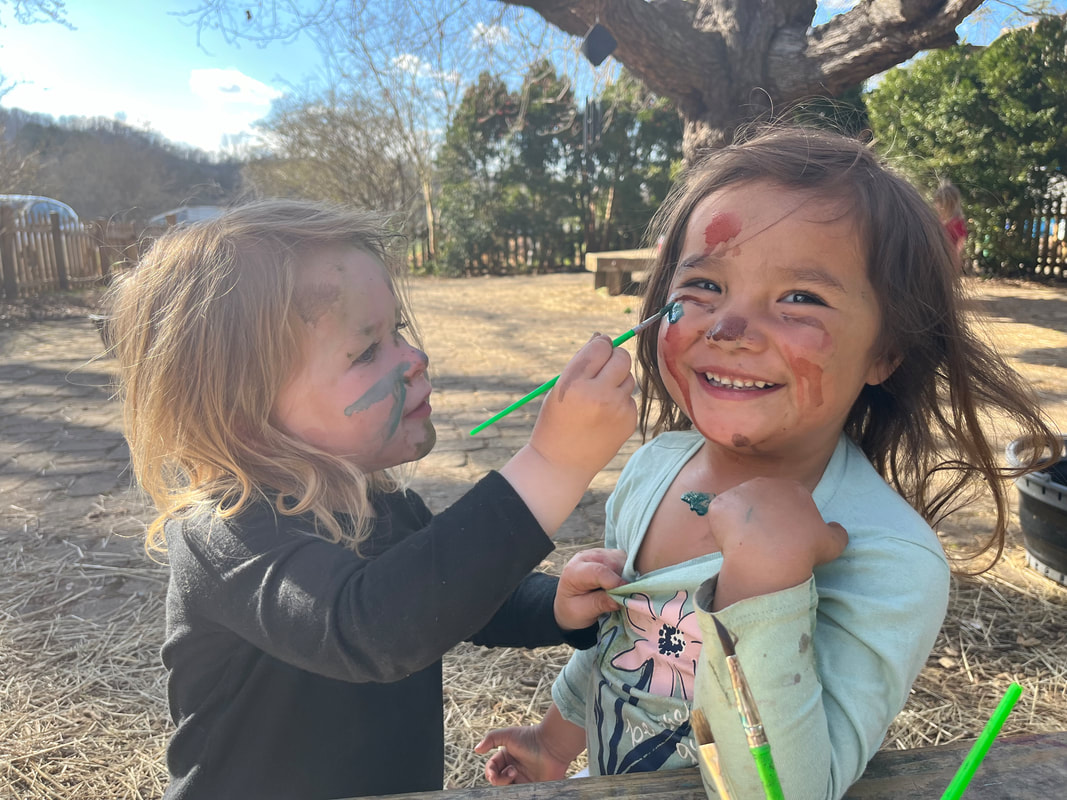
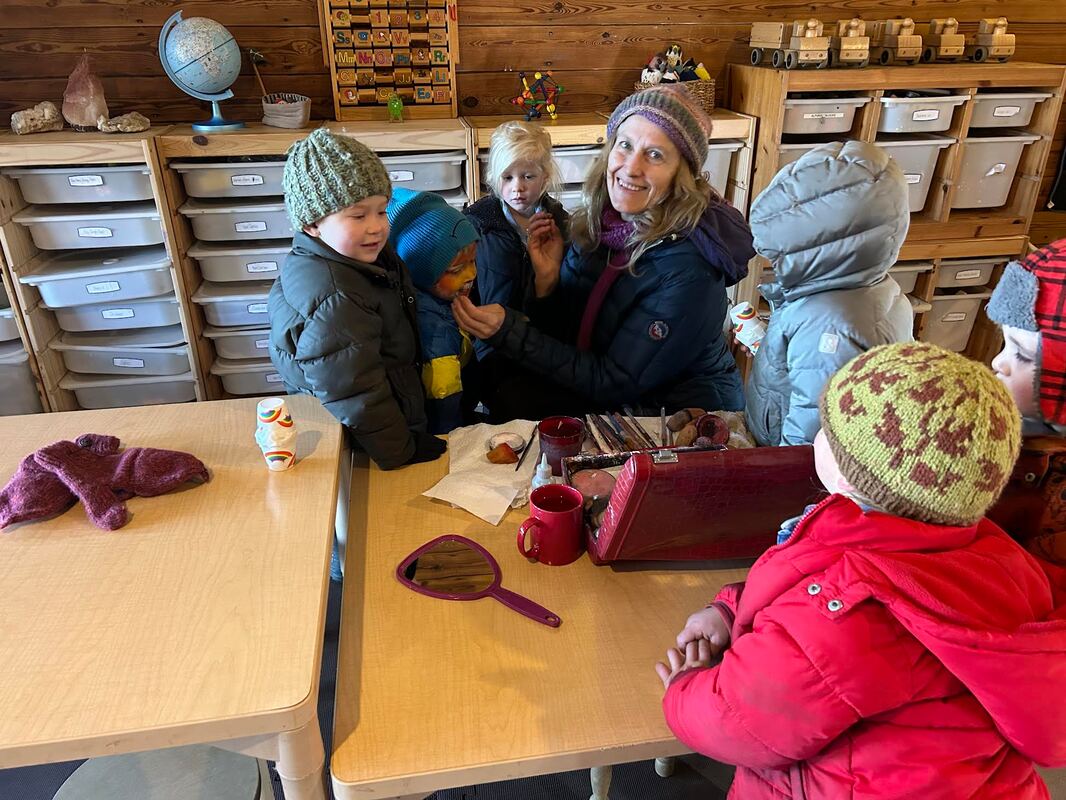
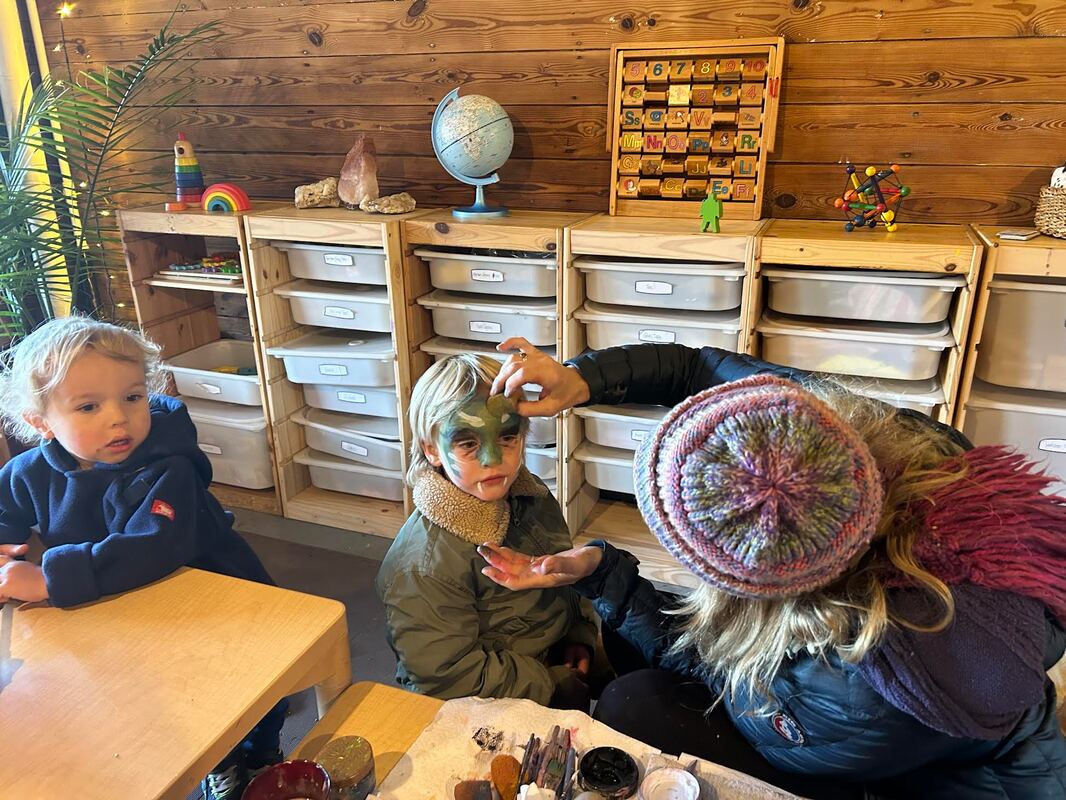
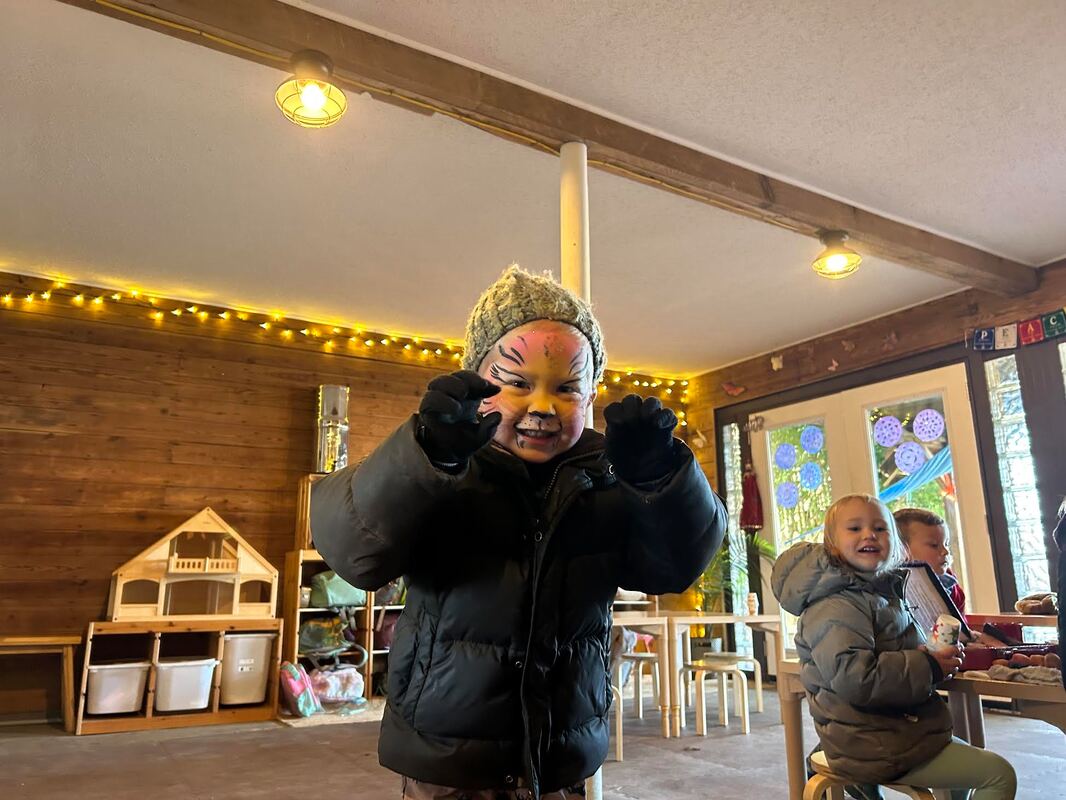
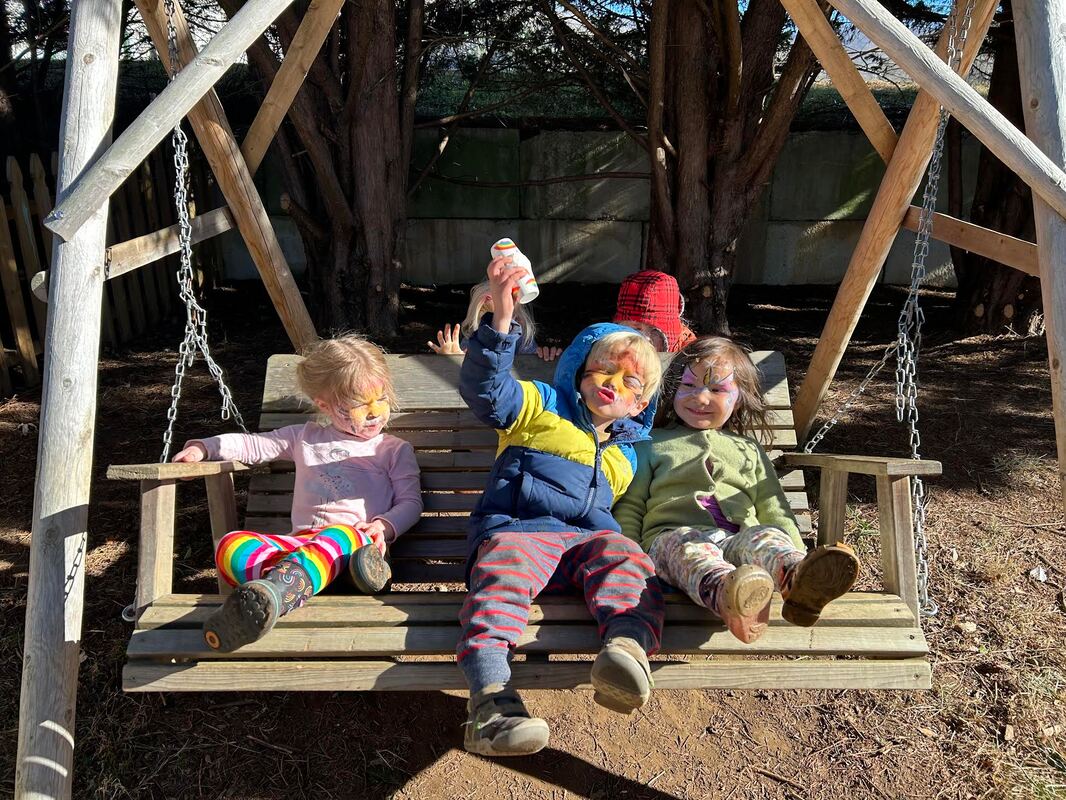
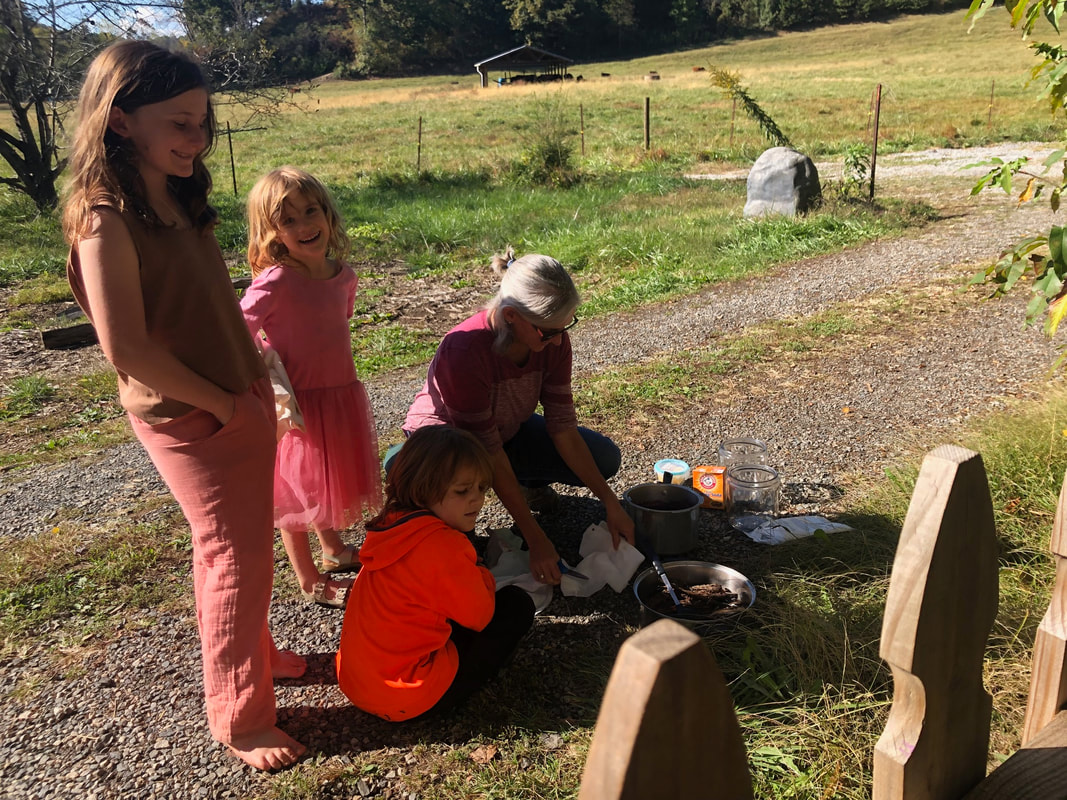
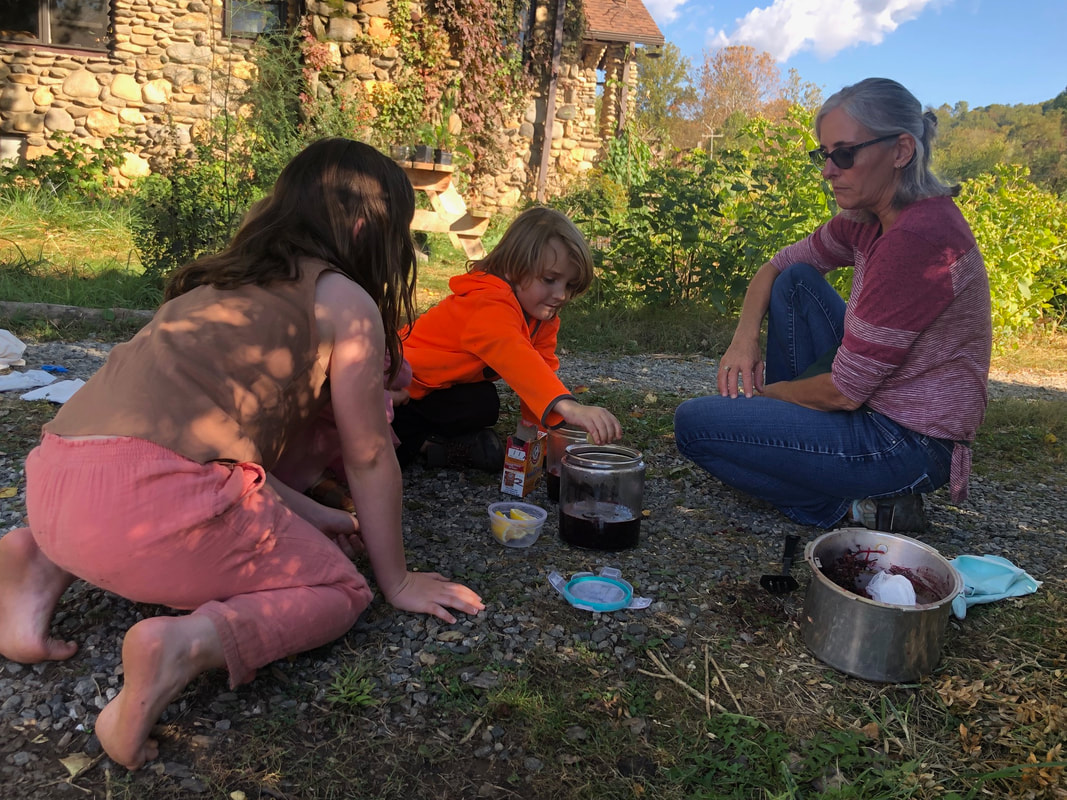
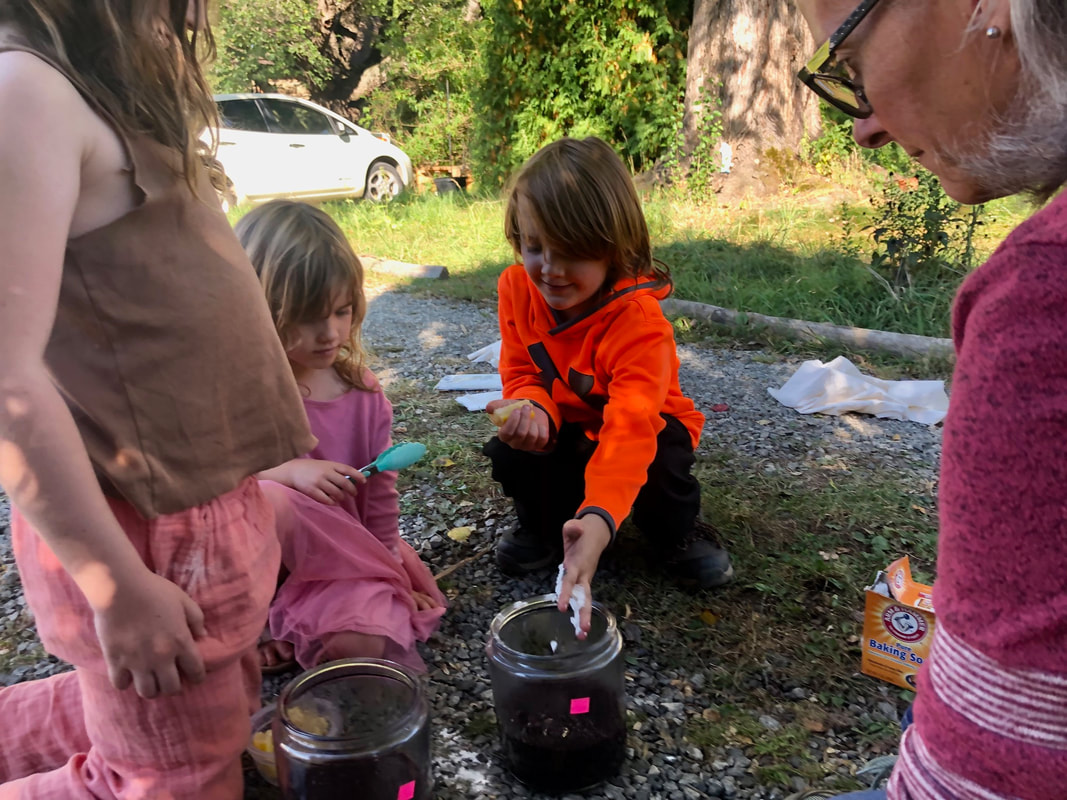
Creating Shows with Friends and Makeup from Strawberries!


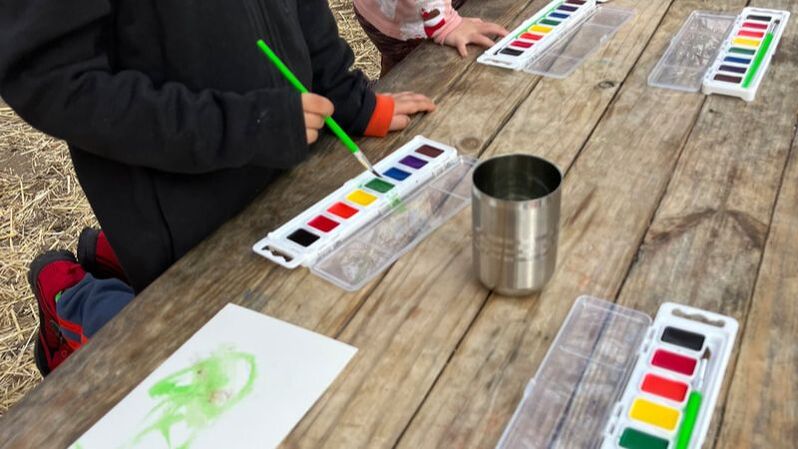
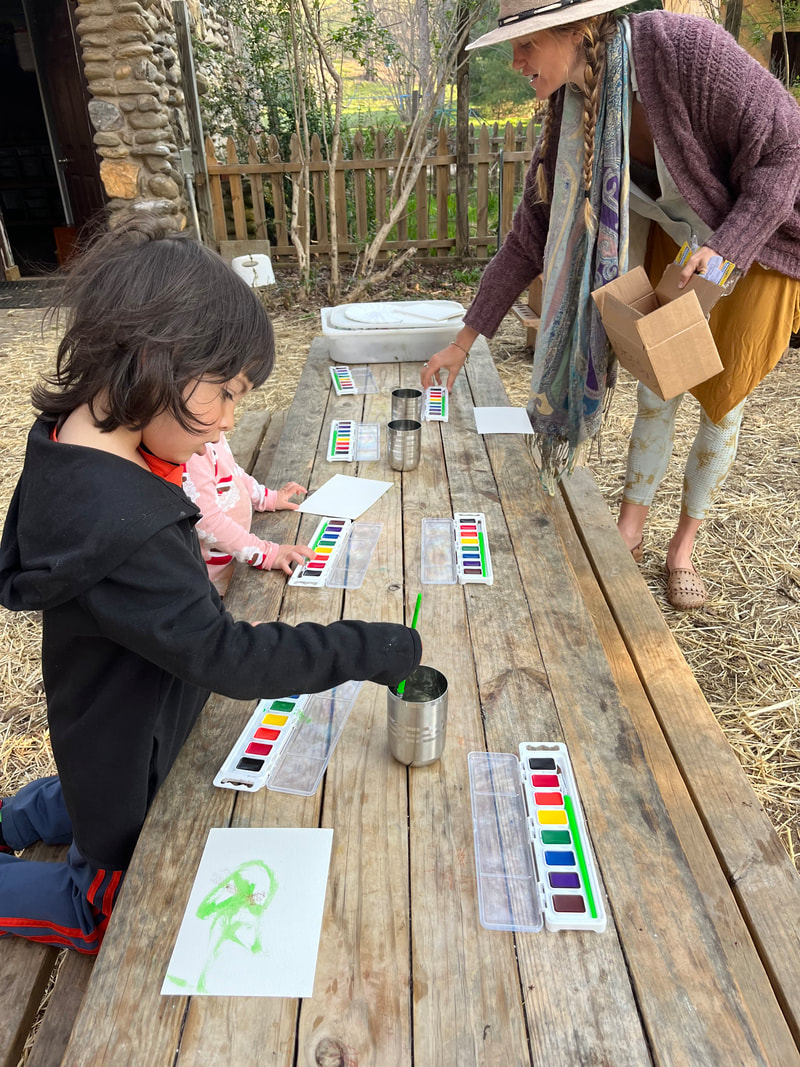
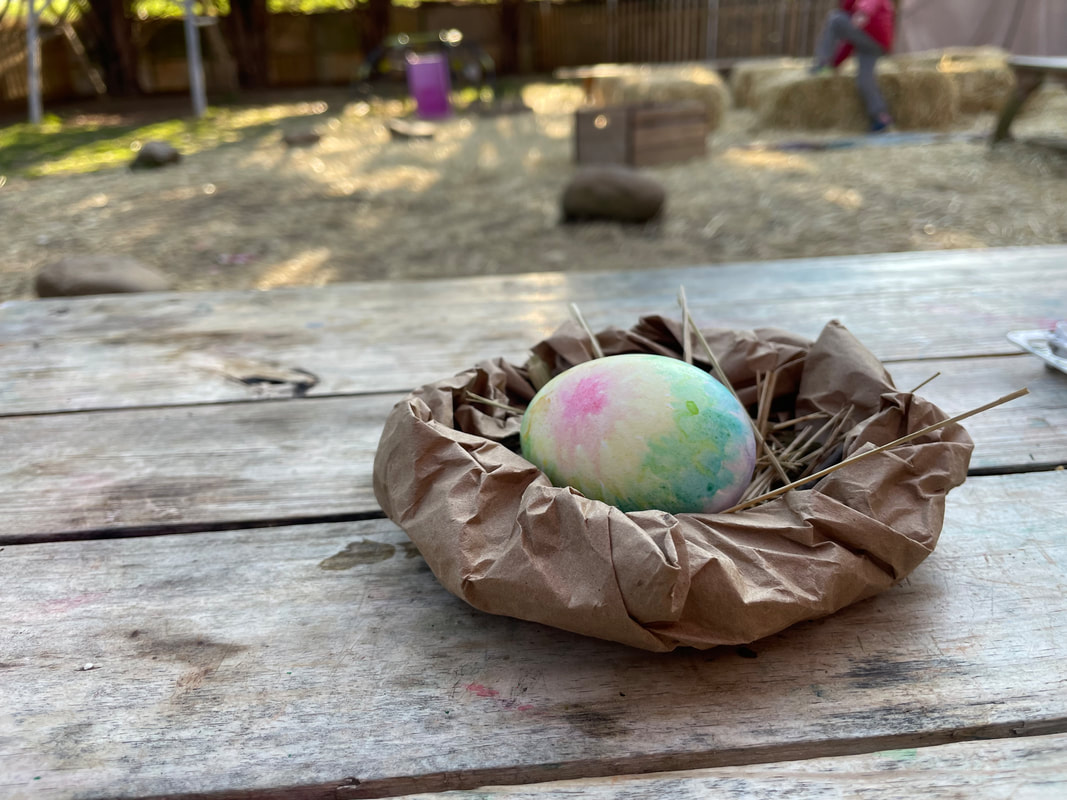
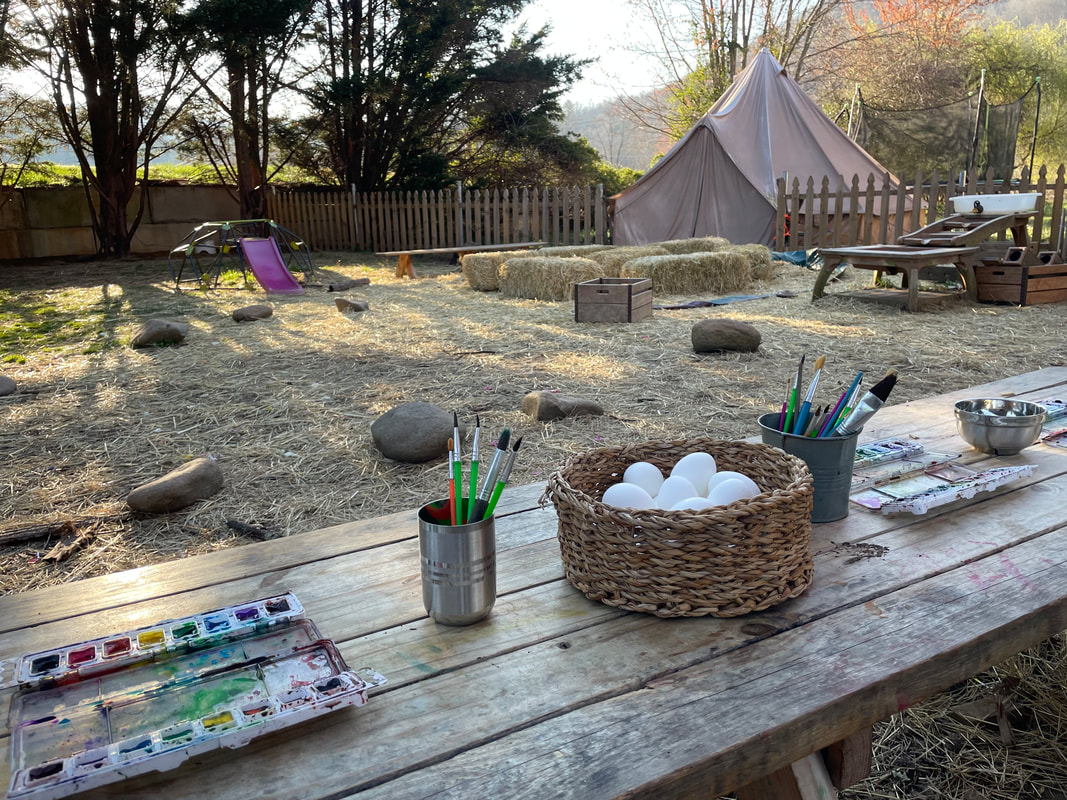
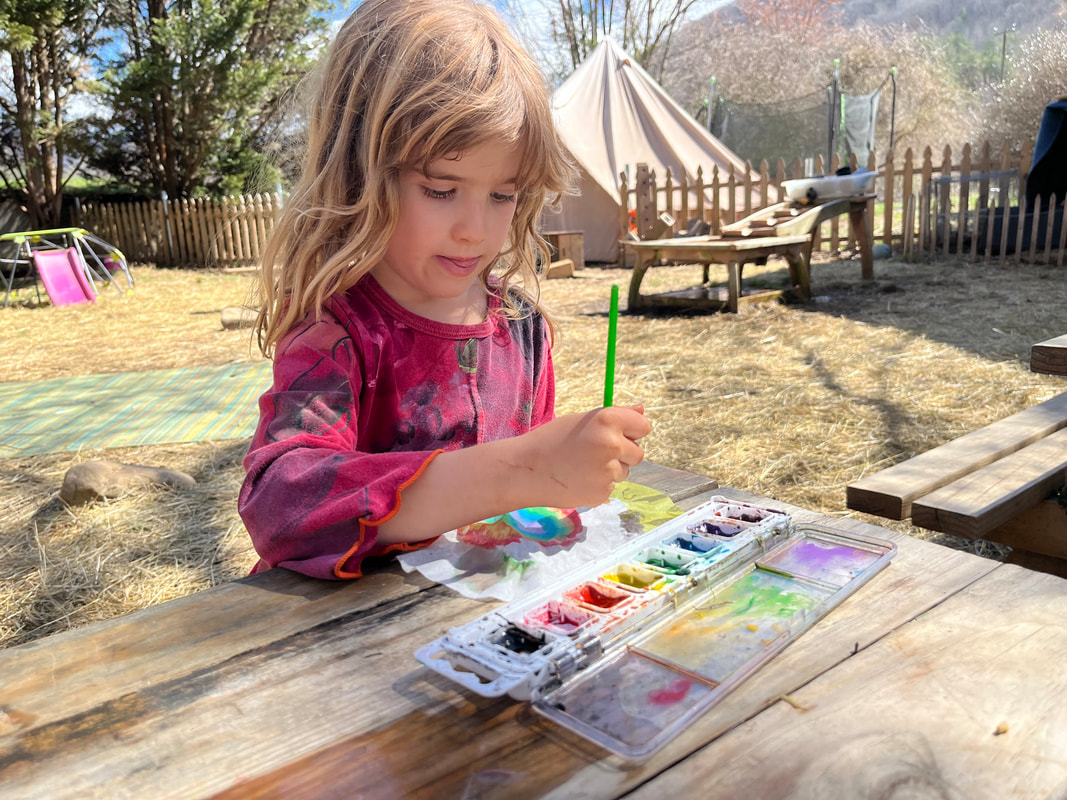
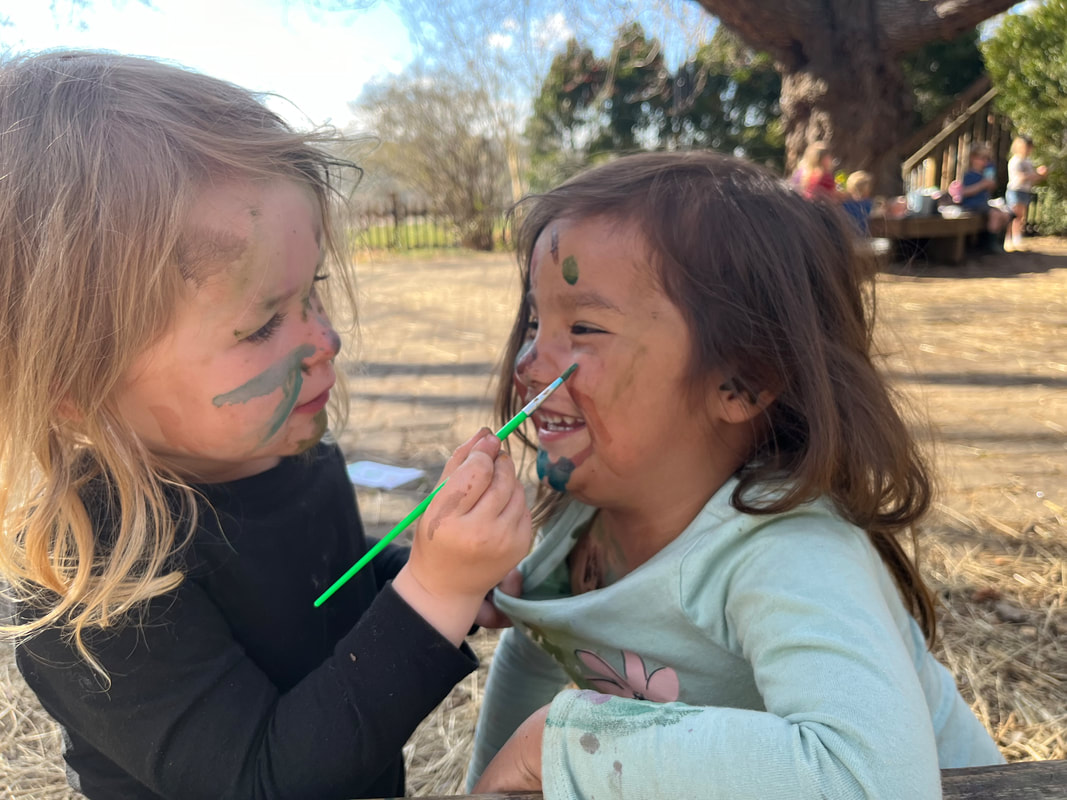
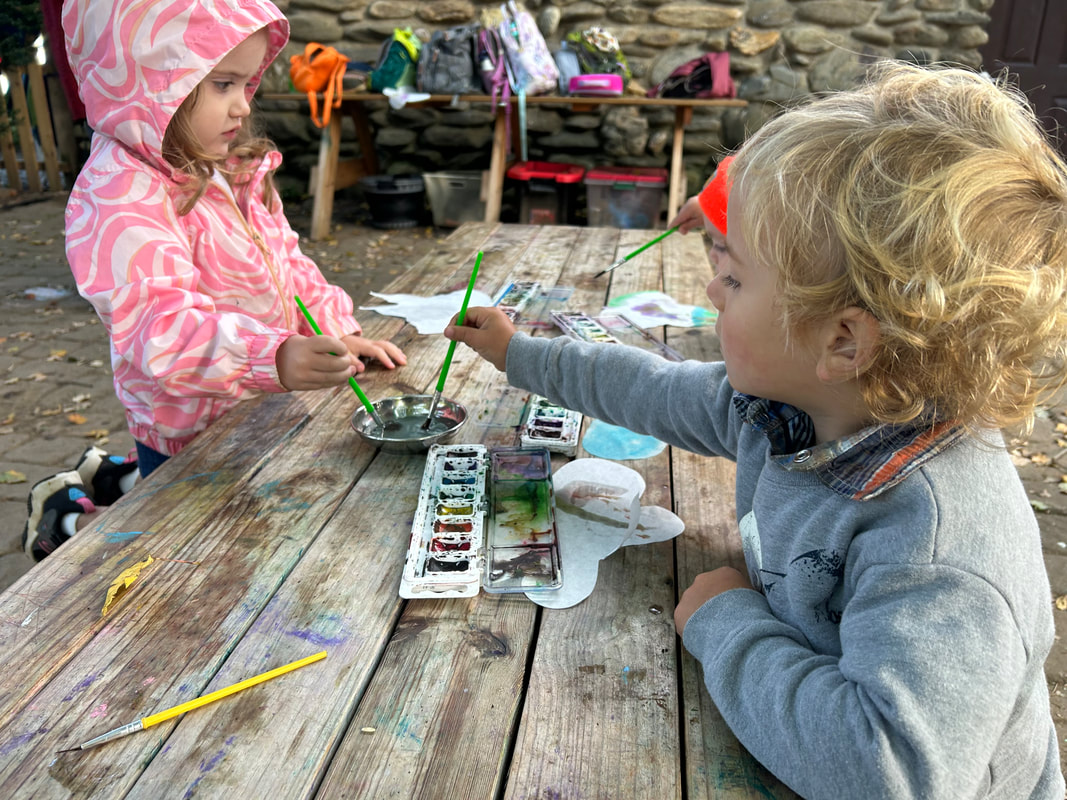
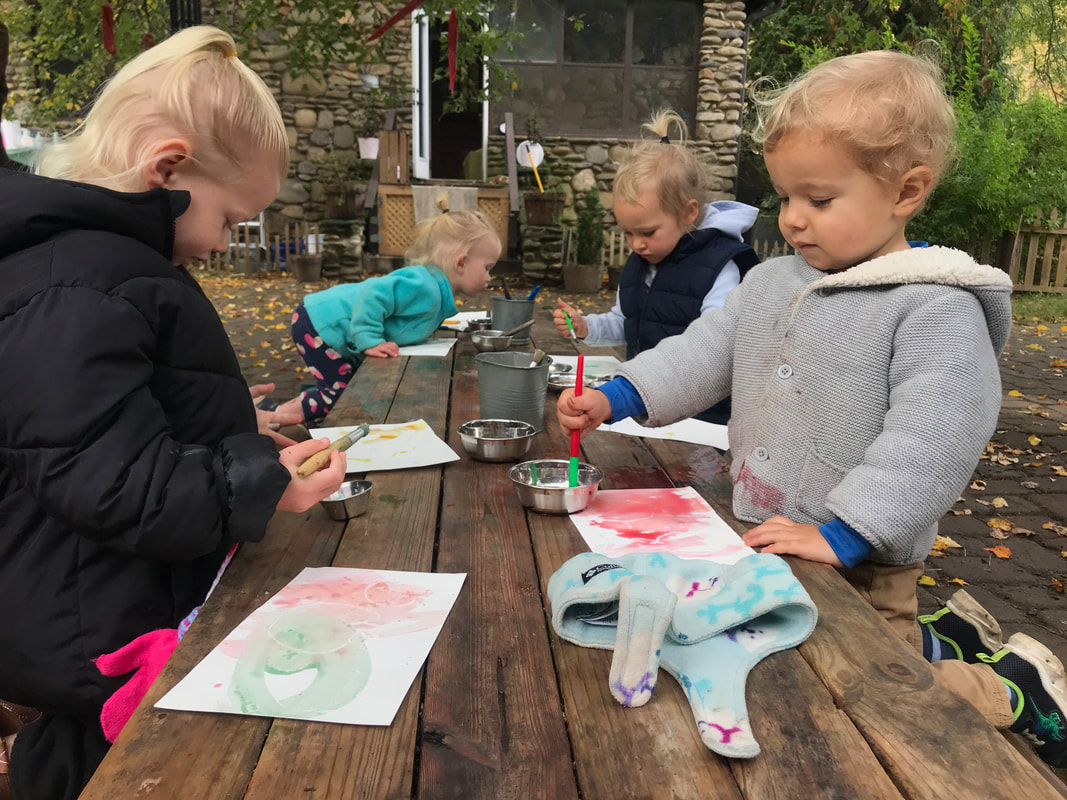
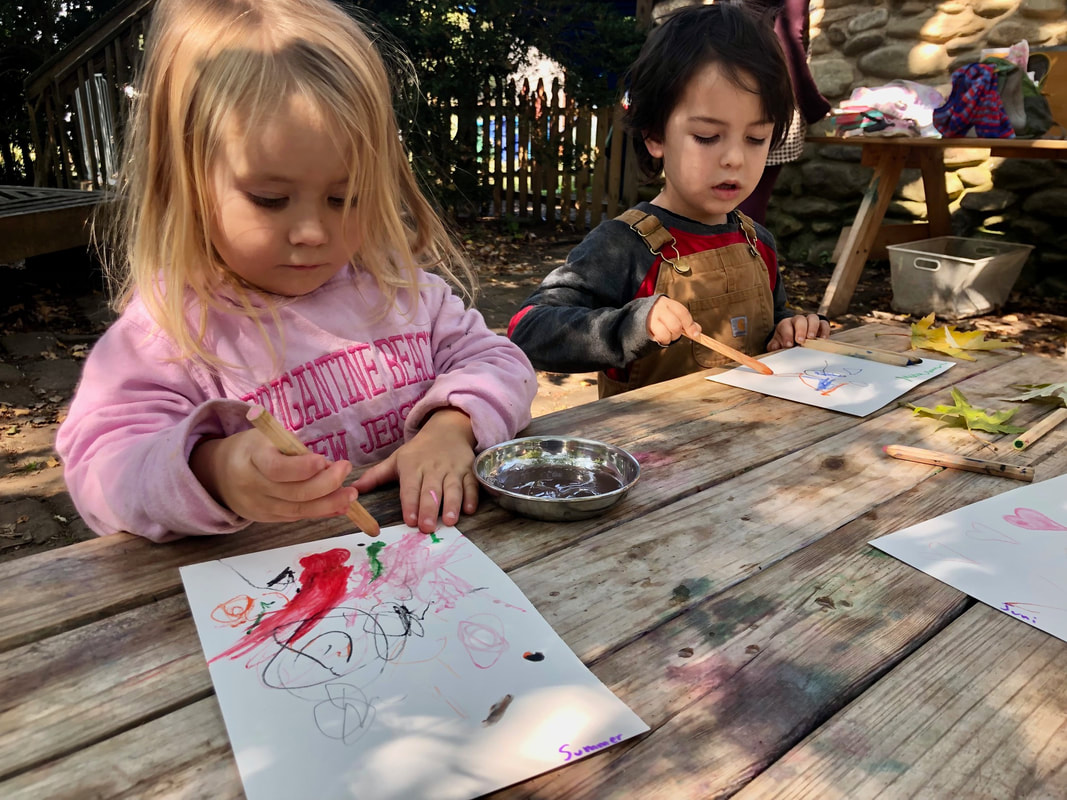
Watercolor is Not Just for Paper

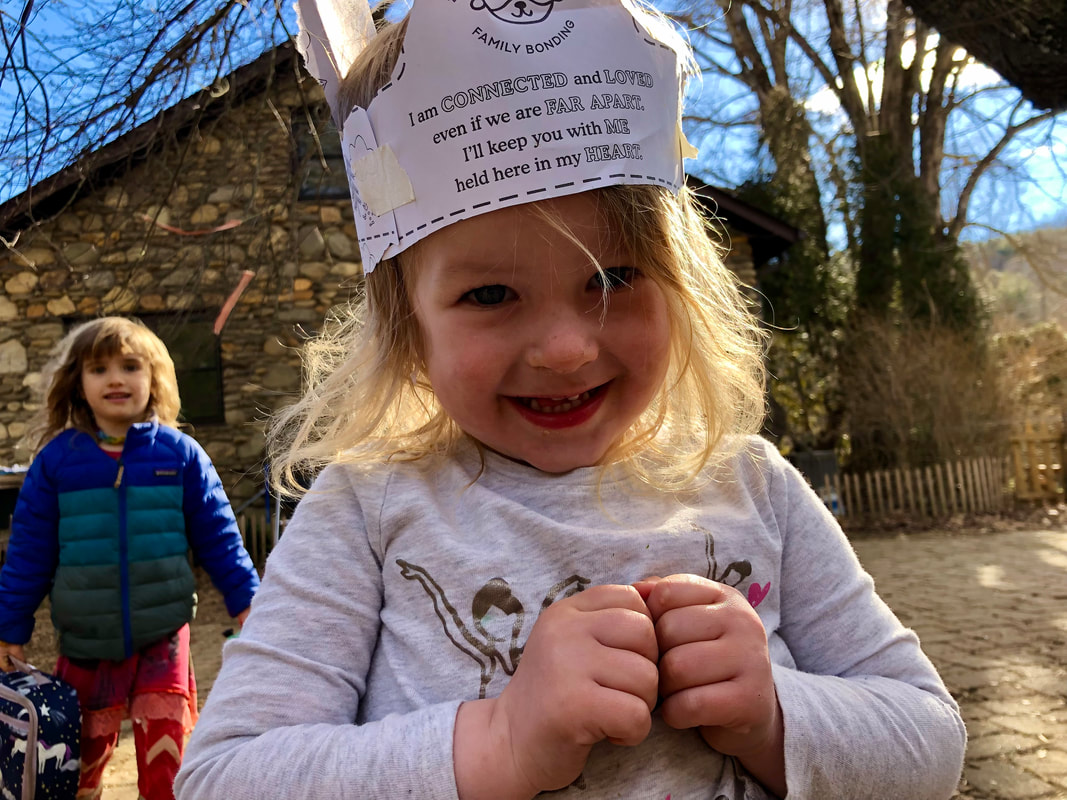
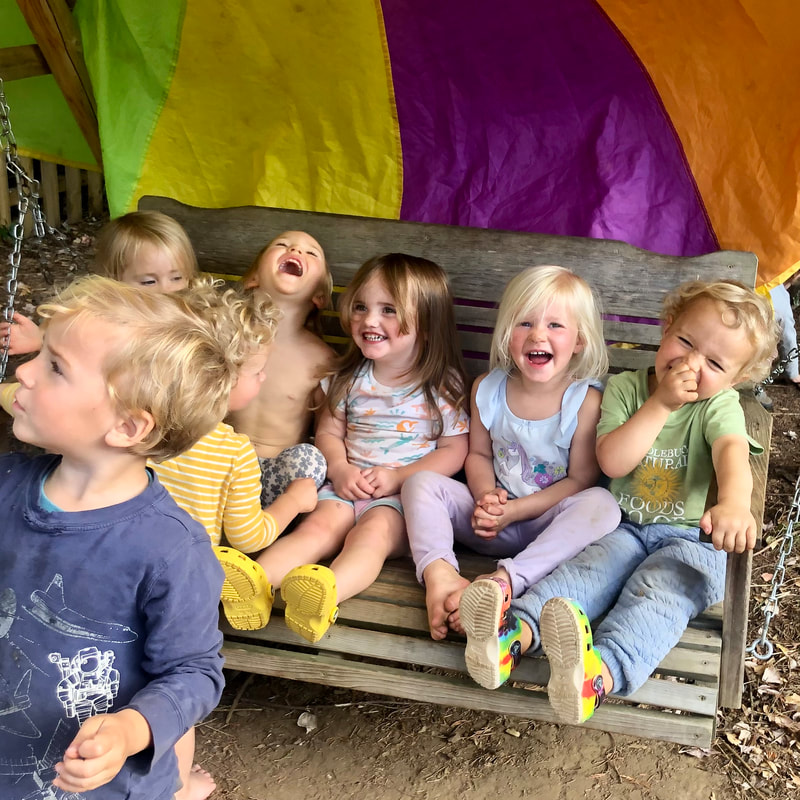
Sweet Friends

 |  |


See you next time!











 RSS Feed